Becoming Chinese Trend: Why Tai Chi Is the Final Wellness Upgrade
Key Takeaways
- Tai Chi's journey from Chen village to global phenomenon reflects China's cultural negotiation with modernity and tradition
- The 1956 Simplified 24-Form was a government initiative to make Tai Chi accessible — and to control its narrative
- Western adoption has shifted Tai Chi from martial art to health practice, creating tension with traditional lineage holders
- Understanding this cultural history enriches practice — every movement carries centuries of political and philosophical meaning
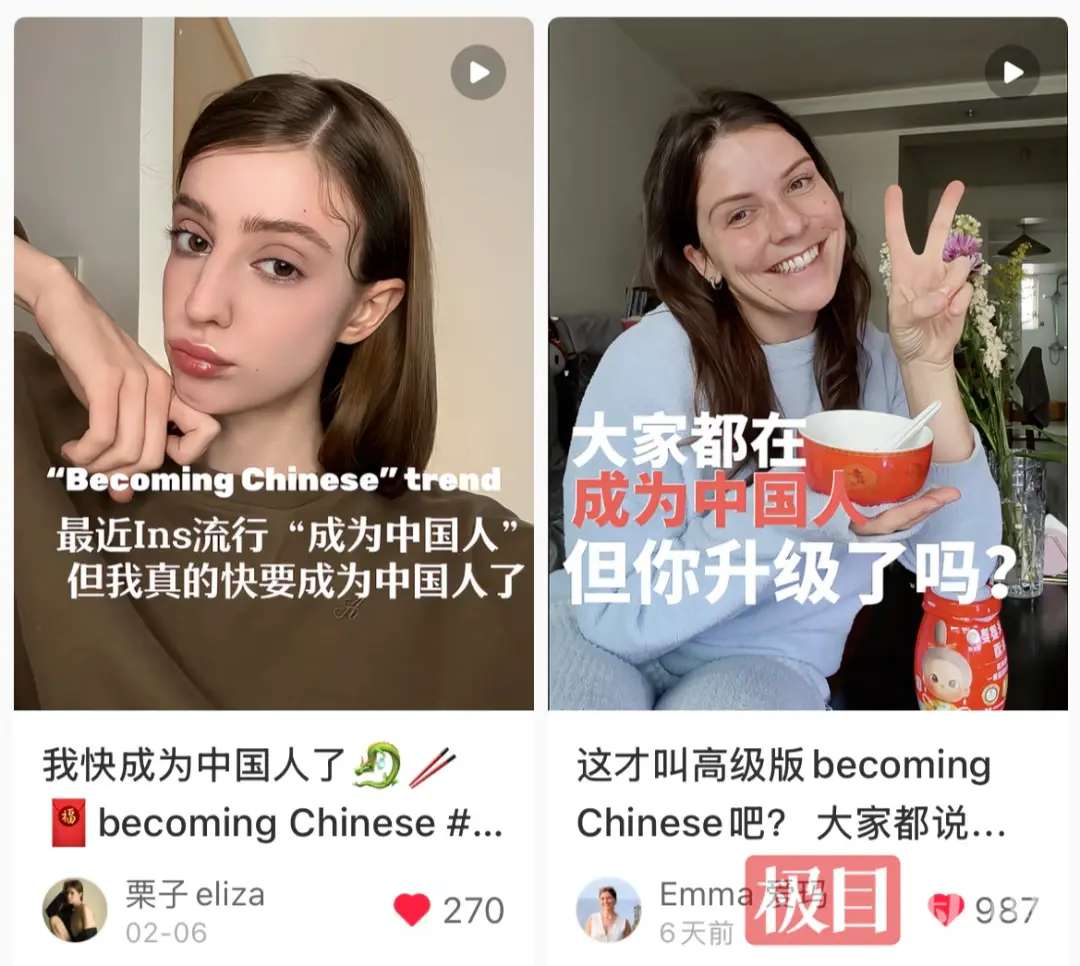
Scroll through TikTok or Instagram long enough and you’ll notice a strange new life phase emerging.
Someone pours hot water into a mug and announces:
“I think I’m becoming Chinese.”
Another video shows a girl boiling apples with red dates for gut health. Someone else proudly swaps iced coffee for warm tea and declares they’re entering their “very Chinese time in life.”
Welcome to the internet’s newest wellness arc: the Becoming Chinese era.
What started as a meme has quietly turned into something bigger — a cultural fascination with habits associated with Chinese wellness. Drinking hot water. Wearing house slippers indoors. Avoiding cold foods. Boiling herbs and fruits for health.
And then there’s the aesthetic upgrade: the rise of the Chinese Baddie.
In meme terms, the Chinese Baddie is a wellness queen — someone who balances beauty, discipline, and self-care with a hint of ancient wisdom. She drinks red date tea, uses gua sha, protects her “ Qi ,” and somehow manages to glow while doing it.
At first glance, it’s funny. But it also reveals something real about the moment we’re living in.
Because behind the jokes is a deeper idea: people are tired.
Modern Western wellness culture often feels contradictory. Drink more caffeine to stay productive. Work harder. Sleep less. Push through burnout.
So when younger generations encounter lifestyle habits associated with Chinese culture — slow tea rituals, balanced meals, gentle exercises — it feels almost revolutionary.
It promises something many people feel they’re missing: balance .
Of course, the “ Becoming Chinese ” trend isn’t about changing identity or claiming a culture. It’s less about becoming someone else, and more about upgrading how people think about wellness — borrowing ideas that prioritize balance, longevity, and everyday care.
The Lifestyle Stage of “Becoming Chinese”
Most people start their Becoming Chinese journey with lifestyle habits.
You’ve probably seen the list:
- Drink hot water instead of iced drinks
- Boil apples with red dates for digestion
- Use gua sha for facial circulation
- Wear house slippers to protect your body from cold floors
- Avoid too many cold foods
Many of these habits are now being rediscovered through modern wellness science. What traditional practices described as balancing Qi is increasingly discussed today as supporting the gut-brain axis — the two-way communication between digestion, mood, and nervous system regulation.
At the heart of this system are ideas like:
- balance between Yin and Yang
- the circulation of Qi
- maintaining harmony between the body and environment
The internet often simplifies these ideas into quick “wellness hacks,” but even simplified versions resonate with people.
Warm drinks feel comforting. Slow rituals feel grounding. Taking care of your body feels empowering.
And that’s where the Chinese Baddie aesthetic thrives.
It’s self-care with a cultural twist.
But here’s the interesting part: most of these habits are passive.
You drink something. You apply something. You avoid something.
But traditional Chinese wellness isn’t only about what you consume.
It’s also about how you move.
While the internet jokes about General Tso’s Chicken being the gateway into Chinese culture, traditional wellness has always focused somewhere else entirely — longevity begins in digestion, not the deep fryer.
At this stage, many people realize they’ve already adopted more “Becoming Chinese” habits than they expected.
Curious where you are on the journey? Try this quick self-check.
You might be closer to the next level than you think.
🧧 Becoming Chinese Level Test
Drink hot water Wear house slippers Goji berries & Red dates Boil apples for gut health Gua Sha daily Practiced Baduanjin Practiced Tai Chi Understand “Qi” flow
Reveal My Level
When a Meme Became a Global Story
What many people don’t realize is that the Becoming Chinese trend didn’t appear out of nowhere. It can be traced back to a single viral moment.
On December 6, 2025, a 23-year-old Chinese American creator, Sherry Zhu (@sherryxiiruii), posted a playful TikTok video saying:
“If this video appears on your feed, it means you are Chinese.”
Delivered half as a joke and half as a prophecy, the video listed simple habits anyone could try — drinking hot water, wearing house slippers indoors, and going to bed earlier.
Within days, her account surged from a few thousand followers to tens of thousands. Within three months, it gained more than 740,000 new followers as users around the world began documenting their own “Becoming Chinese” journeys.
People shared videos boiling apples with red dates, soaking goji berries, practicing Baduanjin, and even attempting Tai Chi in living rooms and public parks. What started as humor quickly turned into participation.
The trend grew so large that it began appearing in international media coverage and cultural discussions. During China’s 2026 national political meetings, foreign journalists jokingly rated how “Chinese” they had become after adopting daily habits like drinking hot water, practicing wellness exercises, and embracing slower routines.
Behind the humor was a deeper shift. Many participants described feeling drawn not to identity, but to philosophy — a lifestyle centered on balance, stability, and long-term wellbeing.
In other words, Becoming Chinese was less about nationality and more about discovering a different way of living.

When the Meme Meets Movement
Somewhere along the Becoming Chinese journey, people discover something else: exercise traditions like Baduanjin.
Baduanjin — often translated as the “Eight Pieces of Brocade” — is a gentle sequence of movements practiced for centuries. It’s simple enough for beginners, which makes it perfect for the internet age. This accessible Qigong system, also known as Ba Duan Jin, is often the first step into internal energy work.
Tai Chi vs. Baduanjin: A Science-Based Comparison for Optimal Fitness and Health
Suddenly, the meme becomes a routine.
People post morning videos doing slow stretches in the park or their living room. The movements look calm, almost meditative.
And then a new question appears.
If Baduanjin is the introduction… what comes next?
That’s where things get interesting.
Because behind many of these movement traditions lies a deeper system — one that has been practiced for hundreds of years.
It’s called Tai Chi.
Tai Chi: The Real Upgrade
Modern researchers might describe Tai Chi differently than ancient masters did. What was once explained through energy flow is now associated with vagus nerve regulation, gently shifting the body from a constant fight-or-flight state into rest-and-digest mode. In other words, Tai Chi functions as a slow but powerful form of nervous system training — something many burned-out professionals now call the ultimate cortisol detox.
At first glance, Tai Chi might seem like an unlikely internet trend.
It’s slow. Quiet. Subtle.
But those same qualities are exactly why it resonates with people today.
Tai Chi is often described as moving meditation. Instead of sitting still and focusing on your breath, you guide your body through flowing movements that coordinate posture, breathing, and intention.
In traditional philosophy, the goal is to cultivate and circulate Qi — the body’s vital energy.
In modern language, it trains several things at once:
- balance
- coordination
- relaxation
- body awareness
And unlike many high-intensity workouts, Tai Chi doesn’t rely on exhaustion to feel effective.
You move slowly. You breathe deeply. You learn to feel subtle shifts in your body.
For many beginners, the experience is surprising.
The movements look gentle, but they require focus. Your mind becomes calm because your attention has somewhere to go — into posture, breath, and flow.
This is why Tai Chi has quietly become one of the most widely practiced mind-body exercises in the world.
According to global participation surveys, more than 78 million people practice Tai Chi worldwide — and about 27.5% of practitioners are under 35 , challenging the stereotype that Tai Chi is only for older generations. Many younger practitioners are now discovering it through wellness communities online.
In a way, it fits perfectly into the Becoming Chinese narrative.
Because Tai Chi is what happens when the meme stops being a joke.
In classical Chinese philosophy, this process belongs to a broader idea known as Yang Sheng — the art of nourishing life. Rather than chasing extreme performance, Yang Sheng focuses on sustainability: small daily practices that compound over decades.
Your browser does not support the video tag.
Breaking the Biggest Myth
For many people outside China, Tai Chi still carries a stereotype.
They picture retirees practicing slowly in a park.
And yes — parks across China are full of morning Tai Chi groups.
But that image only shows one side of the practice.
Historically, Tai Chi developed as a martial art. Beneath the slow movements are principles of structure, balance, and internal power.
Practitioners often describe it as learning how to generate strength without tension.
That combination — softness and power — is what makes the practice so fascinating.
And ironically, it’s exactly the kind of balance modern wellness culture is searching for.
The Real “Chinese Baddie” Skill Tree
If the internet had to map the Becoming Chinese journey like a video game, it might look something like this:
Level 1 Drink hot water.
Level 2 Boil apples and red dates.
Level 3 Master gua sha and house-slipper energy.
Level 4 Learn Baduanjin.
Final boss level Tai Chi.
Because once you start practicing Tai Chi, you’re no longer just adopting aesthetic habits.
You’re learning a skill that integrates movement, breathing, and awareness — something that can stay with you for years.
Practiced consistently, Tai Chi becomes more than exercise. It resembles what Daoist traditions described as internal alchemy — refining awareness through movement, breath, and attention.
Where to Start
Seen through a modern lens, many of these habits look surprisingly familiar. Hot water, mindful breathing, and Tai Chi may be the oldest form of biohacking — optimizing the body using rhythm instead of intensity.
The good news is that Tai Chi doesn’t require special equipment or extreme fitness.
Many beginners start with short daily sessions at home — even ten minutes can make a difference. Over time, simple forms become easier, and the movements start to feel more natural.
If you’re curious about exploring the practice, resources like taichiwuji.com offer beginner guides, tutorials, and classes designed to help newcomers learn the fundamentals step by step.
Because the truth is simple.
Your Becoming Chinese era might begin with hot water and wellness memes.
But for many people, the journey eventually leads somewhere deeper.
And more often than not…
It leads to Tai Chi.
Ready for the Next Level?
If your Becoming Chinese era has led you here, Tai Chi might be the natural next step. Start with simple movements, learn proper fundamentals, and begin building real balance — one practice at a time.
Start Learning Tai Chi →
Frequently Asked Questions
- What does “Becoming Chinese” mean?
The “Becoming Chinese” trend is an internet meme describing people adopting wellness habits inspired by Chinese lifestyle practices, such as drinking hot water, practicing mindfulness, and focusing on balance and longevity. It refers to a wellness philosophy rather than cultural identity.
- What is a Chinese Baddie?
A Chinese Baddie is a social media term describing someone who embraces self-care practices influenced by Traditional Chinese wellness ideas, including herbal teas, gua sha, and mindful daily routines.
- Is Tai Chi good for beginners?
Yes. Tai Chi is widely considered one of the most beginner-friendly mind-body exercises because it is low-impact, slow-paced, and adaptable for all fitness levels.
- How is Tai Chi connected to Traditional Chinese Medicine?
Tai Chi shares core principles with Traditional Chinese Medicine, including balance between Yin and Yang and supporting the smooth circulation of Qi through coordinated movement and breathing. Daily practice realigns the body around the Dantian (丹田) and Central Equilibrium (Zhong Ding) — principles that distinguish Tai Chi from generic exercise.
- Can Tai Chi help with stress and anxiety?
Many practitioners report reduced stress and improved relaxation. Modern research suggests Tai Chi may support nervous system regulation and help shift the body from a stress response into a calmer restorative state.
- How long does it take to learn Tai Chi?
Beginners can start feeling benefits within a few weeks of regular practice. Mastery develops gradually over months and years through consistent daily movement.
- Is “Becoming Chinese” about changing identity?
No. The trend is largely about adopting wellness habits inspired by Chinese lifestyle philosophy rather than cultural identity itself.
- Why are hot water and warm foods emphasized?
Traditional Chinese wellness links digestion and energy balance closely. Modern science often connects similar ideas to gut health and nervous system regulation.
- Is Baduanjin the same as Tai Chi?
Baduanjin is a simpler qigong practice often used as an introduction, while Tai Chi is a deeper system combining movement, breathing, and internal training.
- Can beginners really learn Tai Chi online?
Yes. Many beginners start with guided programs designed specifically for newcomers, focusing on posture, breathing, and foundational movements.
Master Mingde Chen
12th generation Chen-style inheritor with decades of teaching experience.
View all articles →