Tai Chi Research: 8 Scientific Discoveries About Tai Chi Health Benefits
Key Takeaways
- 210+ peer-reviewed studies confirm Tai Chi's measurable health benefits across 8 major outcome categories
- Strongest evidence: fall prevention (43% risk reduction), balance improvement, and chronic pain management
- CDC, WHO, and 6 national health organizations officially recommend Tai Chi for older adult health programs
- This research hub curates the most impactful studies with plain-English summaries for practitioners and clinicians
Author : Master Mingde Chen (12th Generation Tai Chi Inheritor)
Medical Review : Dr. Jing Li, PhD (Biomechanics)
- Last Updated: March 2026
- Summary: A deep dive into the latest scientific frontiers of Tai Chi research, bridging traditional lineage wisdom with modern biomechanical analysis.
Why Tai Chi Is Gaining Global Scientific Attention
Tai Chi has been studied in hundreds of scientific papers published in journals such as Journal of Aging and Physical Activity, Frontiers in Neurology , and BMC Complementary Medicine .
In recent decades, Tai Chi has evolved from a traditional Chinese martial art into a globally recognized mind–body exercise supported by growing scientific research . Universities, medical institutions, and public health organizations around the world are now studying Tai Chi for its potential benefits in physical health, mental well-being, rehabilitation medicine, and healthy aging.
This surge of interest reflects several global trends, including:
- the rising burden of chronic disease
- the rapid aging of populations worldwide
- increasing demand for safe and sustainable exercise interventions
- growing interest in integrative and preventive healthcare
Researchers across disciplines—from neuroscience and sports science to rehabilitation medicine and cultural studies—have begun exploring Tai Chi from multiple perspectives.
Current academic work highlights eight major research directions that are shaping the future of Tai Chi science.
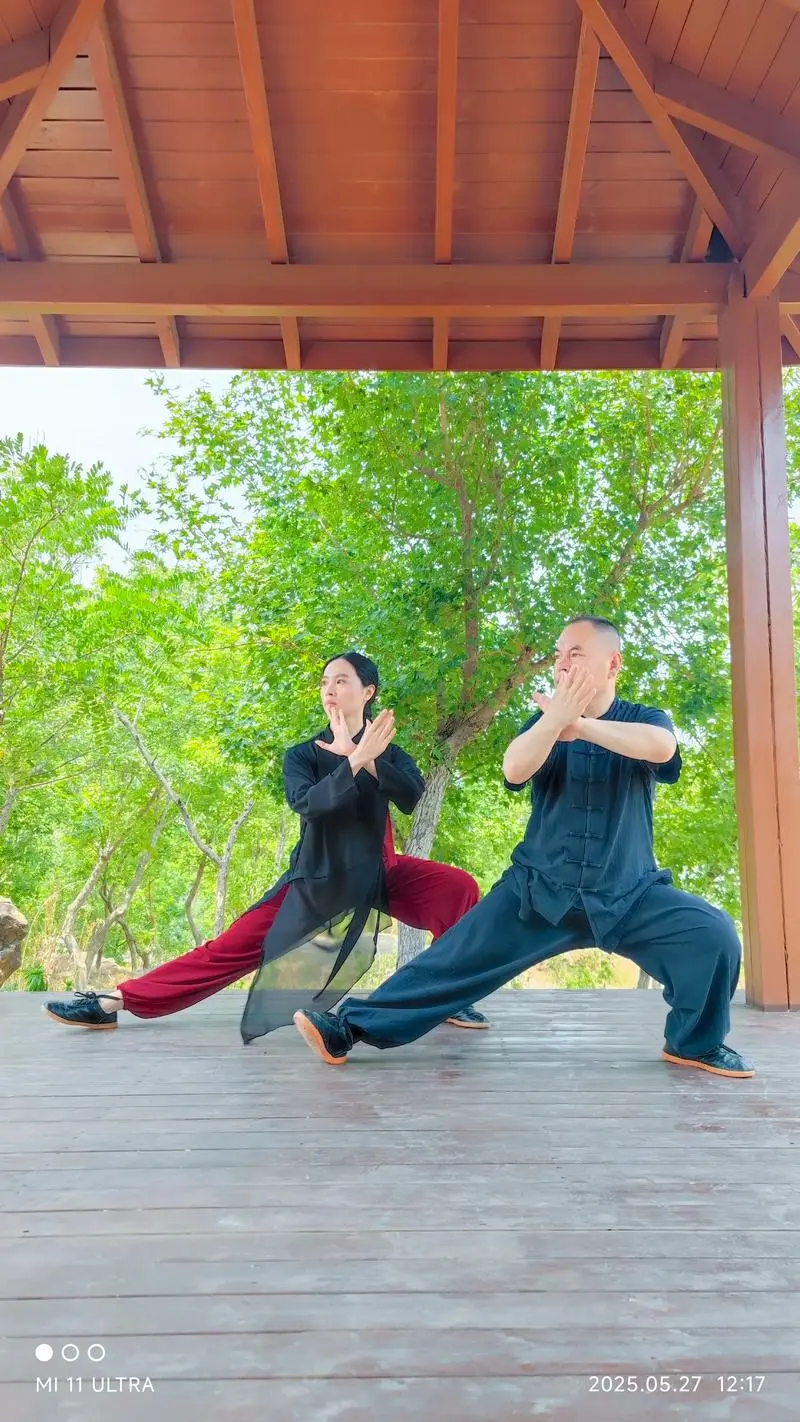
1. Philosophical Foundations of Tai Chi and Their Modern Interpretation
Tai Chi is not only a physical exercise system but also a practice deeply rooted in traditional Chinese philosophy . In recent years, scholars have increasingly explored how Tai Chi’s philosophical principles can be understood and interpreted in modern contexts.
Key research areas include:
- historical origins of Tai Chi philosophy
- theoretical analysis of Tai Chi principles
- application of philosophical concepts in contemporary society
A particularly important research perspective is embodied philosophy , which views the human body as a medium through which philosophical ideas are expressed. Through Tai Chi movements and forms, traditional concepts such as harmony between humans and nature, balance between yin and yang , and cooperative coexistence are physically manifested.
Modern scholars are exploring how these ideas contribute to fields such as:
- movement aesthetics
- holistic health practices
- intercultural dialogue and global ethics
This line of research aims to create a modern interpretive framework that helps global audiences understand the deeper intellectual foundations of Tai Chi.
Master Mingde’s Note : “As a 12th generation inheritor, I see these research trends as a modern validation of the ‘Yin-Yang’ balance we have practiced for centuries. Science is finally developing the tools to measure what practitioners have felt for generations.”
2. Globalization and Cross-Cultural Transmission of Tai Chi
Over the past century, Tai Chi has spread far beyond China and is now practiced across North America, Europe, and many other regions.
Research on Tai Chi’s international development focuses on several areas:
- translation and interpretation of Tai Chi terminology
- historical pathways of global dissemination
- cross-cultural adaptation of teaching methods
- strategies for international cultural exchange
Scholars are increasingly examining how Tai Chi evolves in different cultural environments. These studies explore how local communities adapt Tai Chi practices while preserving their core principles.
In addition, the translation of Tai Chi literature has become an important research topic. Scholars in fields such as sports science, linguistics, and communication studies are working to develop clearer terminology and improve the accessibility of Tai Chi knowledge for global audiences.
3. Digital Technology and the Future of Tai Chi Preservation
As digital transformation reshapes many traditional practices, researchers are exploring how new technologies can help preserve and promote Tai Chi.
Current studies focus on areas such as:
- digital motion capture of Tai Chi forms
- creation of Tai Chi movement databases
- digital archives for cultural preservation
- online education platforms for Tai Chi training
Digital tools are also being applied in sectors including education, tourism, media communication, and public health promotion.
Although this research field is still emerging, technologies such as artificial intelligence, virtual training systems, and motion analysis tools may significantly enhance both Tai Chi learning and scientific analysis in the future.
These innovations could help ensure that Tai Chi remains both traditionally rooted and technologically relevant .
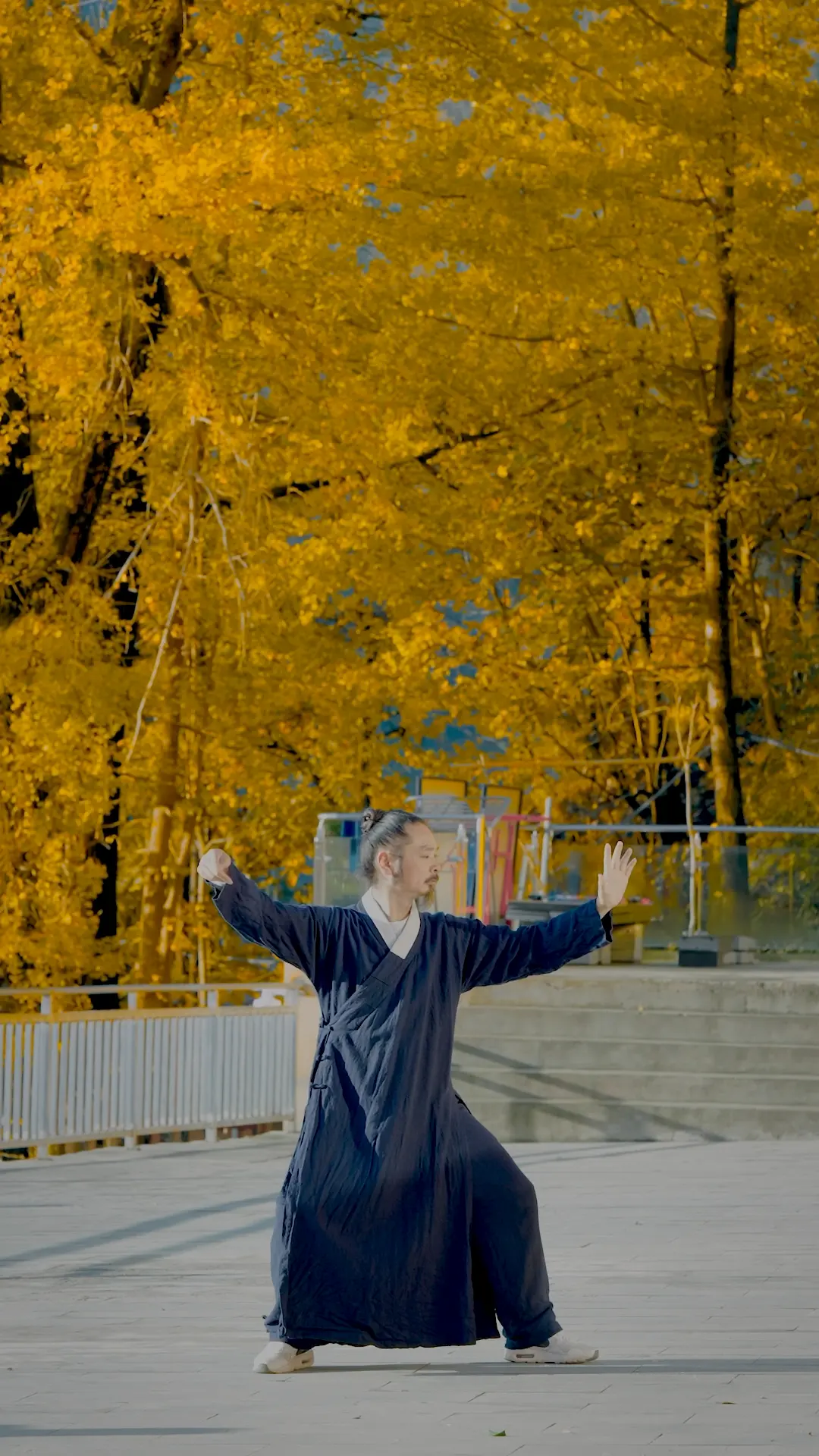
4. Tai Chi for Healthy Aging and Functional Health in Older Adults
Population aging is one of the most significant global health challenges of the 21st century. Safe and accessible physical activities that support long-term health are increasingly important for older adults.
Tai Chi is widely recognized as an ideal exercise for seniors because it combines gentle movement, balance training, and mental focus .
Scientific studies have examined Tai Chi’s effects on:
- balance and fall prevention
- sleep quality
- cognitive performance
- emotional well-being
Researchers have also begun investigating the physiological mechanisms behind these benefits. Some studies suggest Tai Chi may influence:
- the visual and vestibular systems related to balance
- neural activity in key brain regions
- postural control and coordination
Evidence suggests that regular practice—particularly routines such as the 24-form Tai Chi —can significantly improve health outcomes for older adults. Within these routines, Tai Chi Walking (太极步) isolates the weight-shifting mechanics most directly responsible for reducing fall risk, making it an ideal daily practice.
Many studies recommend practicing Tai Chi for approximately 150 minutes per week to achieve measurable health benefits.
Dr. Jing Li’s Perspective : “From a biomechanical standpoint, the slow, controlled weight-shifting in Tai Chi significantly enhances proprioception and joint stability. Our analysis confirms that these movements are key to reducing fall risks by strengthening the body’s natural balance-correcting mechanisms.”
5. Tai Chi for Cancer Survivorship and Functional Recovery
With cancer remaining a major global health challenge, researchers are increasingly exploring complementary therapies that support recovery and long-term survivorship.
Tai Chi has gained attention as a safe, low-impact intervention that may help cancer survivors improve both physical and psychological health .
Clinical research has primarily focused on common cancers such as:
- breast cancer
- lung cancer
Studies suggest Tai Chi may help improve:
- physical function and mobility
- mental health and emotional resilience
- health-related quality of life
Some research also indicates that Tai Chi may help reduce treatment-related side effects and improve overall recovery outcomes.
Future research is expected to expand to additional cancer types and larger clinical trials, as well as explore integrative approaches combining Tai Chi with other therapeutic methods.
6. Tai Chi as a Non-Drug Intervention for Mild Cognitive Impairment
Mild cognitive impairment (MCI) is often considered an early stage of dementia. Early intervention is critical for slowing or preventing cognitive decline.
Mind-body exercises like Tai Chi are increasingly being studied as non-pharmacological interventions for cognitive health.
Research has explored Tai Chi’s effects on several cognitive domains:
- executive function
- memory
- language ability
- visuospatial processing
- overall cognitive performance
Studies indicate that regular Tai Chi practice may significantly improve cognitive function among individuals with mild cognitive impairment.
Innovative approaches are also emerging, including:
- cognitive-enhanced Tai Chi programs
- integration with music therapy
- use of digital health technologies
Future studies may use neuroimaging techniques to better understand the neurological mechanisms behind these cognitive benefits. For a comprehensive analysis focused on Alzheimer’s disease and dementia, explore our dedicated guide.
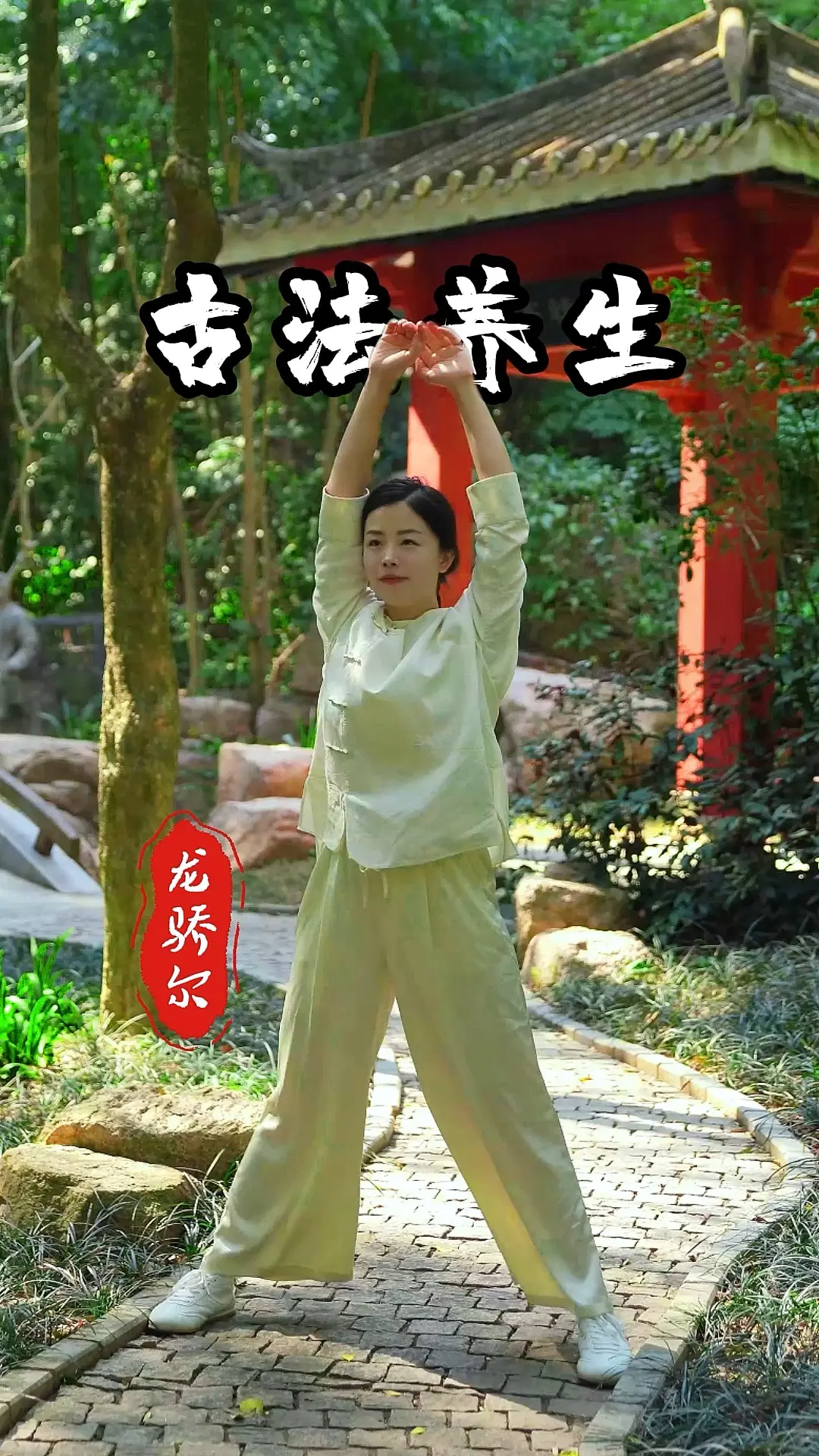
7. Tai Chi in Rehabilitation for Parkinson’s Disease and Stroke
Neurological conditions such as Parkinson’s disease and stroke often lead to long-term motor impairment and reduced quality of life.
Tai Chi has increasingly been studied as a therapeutic exercise that may support rehabilitation for these conditions.
Research focuses on improving:
- balance and postural stability
- motor coordination
- upper and lower limb function
- fall prevention
Some rehabilitation programs adapt specific Tai Chi movements to suit patients at different stages of recovery.
Emerging approaches also combine Tai Chi with rehabilitation technologies , including:
- robotic training systems
- computer-assisted therapy
- remote rehabilitation monitoring
Studies suggest that Tai Chi-based rehabilitation programs may provide long-term functional improvements , making them promising tools for home-based and telehealth rehabilitation models.
8. Tai Chi for Chronic Disease Prevention and Management
Chronic diseases such as hypertension, diabetes, and heart disease remain major contributors to global mortality.
Researchers increasingly view Tai Chi as a practical and accessible form of preventive and lifestyle medicine .
Studies have examined Tai Chi’s effects on conditions including:
- hypertension
- type 2 diabetes
- coronary heart disease
- chronic obstructive pulmonary disease (COPD)
- chronic musculoskeletal pain
Research findings indicate that Tai Chi can improve:
- clinical symptoms
- functional fitness
- health-related quality of life
Some programs combine Tai Chi with other interventions such as yoga , resistance training, and lifestyle modifications , creating comprehensive wellness strategies.
Digital health platforms are also being used to develop hybrid online-offline Tai Chi training programs , improving accessibility for patients and communities.
Weight is a critical variable in chronic disease management, and Tai Chi provides a sustainable movement practice that supports healthy weight through low-impact caloric expenditure and metabolic regulation.
The Future of Tai Chi Research
Scientific research on Tai Chi has expanded far beyond traditional martial arts studies. Today, it is increasingly connected to fields such as:
- public health
- neuroscience
- rehabilitation medicine
- integrative healthcare
As research continues to grow globally, Tai Chi is likely to play an increasingly important role in preventive medicine, rehabilitation science, and holistic health promotion .
Future studies will focus on uncovering the biological mechanisms behind Tai Chi’s health benefits, conducting large-scale clinical trials, and developing innovative training and healthcare models.
Through continued research and global collaboration, Tai Chi may contribute valuable insights into sustainable health and human well-being in the modern world .
Related Articles
- 20 Facts About Tai Chi: What the Science Really Says
- China Tai Chi Survey 2025: Key Data on 78.58 Million Practitioners
FAQ
- What does scientific research say about Tai Chi?
Scientific research shows that Tai Chi can improve balance, cardiovascular health, mental well-being, and overall physical function. Many studies also suggest it may help manage chronic diseases, improve cognitive function, and support rehabilitation for neurological conditions.
- Is Tai Chi proven to improve balance and prevent falls?
Yes. Multiple clinical studies indicate that Tai Chi improves balance, coordination, and lower-body strength. Because of these benefits, Tai Chi is often recommended for older adults as a safe exercise to help prevent falls.
- Can Tai Chi help with chronic diseases?
Research suggests Tai Chi may help manage several chronic conditions, including hypertension, type 2 diabetes, heart disease, and chronic pain. For an in-depth look at low back pain specifically, read our back pain relief guide. Regular practice can improve physical fitness, reduce stress, and enhance quality of life.
- Is Tai Chi beneficial for brain health?
Studies on Tai Chi and cognitive health show that regular practice may improve memory, executive function, and overall cognitive performance. Tai Chi is increasingly studied as a non-drug intervention for mild cognitive impairment.
- How often should you practice Tai Chi for health benefits?
Many studies recommend practicing Tai Chi for about 150 minutes per week, which aligns with general physical activity guidelines for adults. Even shorter sessions practiced regularly may provide benefits.
⚠️ Not medical advice. This article is for educational purposes only. Always consult a qualified healthcare provider before starting any exercise or wellness program.