Tai Chi Styles Compared: Chen vs Yang vs Wu vs Sun (Which Is Best for You?)
Key Takeaways
- 5 major Tai Chi styles: Chen (oldest/martial), Yang (most popular/expansive), Wu (compact), Sun (agile), Wudang (Taoist)
- Chen is fast-slow alternating; Yang is even-paced and graceful; Wu is subtle and internal
- Choose based on your goals: martial depth → Chen, health/meditation → Yang, joint-friendly → Sun
- Lineage comparison chart showing how each style evolved from the others
Quick Answer: Which Tai Chi Style Is Right for You?
If you are looking for a clear starting point, here is the short answer:
- If you want gentle movement, stress relief, and accessibility , choose Yang Style Tai Chi .
- If you want martial power, spiraling strength, and athletic challenge , choose Chen Style Tai Chi .
- If you prefer compact movements and joint-friendly training , choose Wu Style Tai Chi .
- If you are interested in highly refined internal structur e, explore Wu (Hao) Style .
- If you value agile stepping and integration with other internal arts , consider Sun Style Tai Chi .
All five traditional styles share the same philosophical root in Yin-Yang theory and classical Chinese internal martial arts. The difference lies in expression, intensity, and training emphasis. Regardless of which style you choose, supplementing your practice with Baduanjin (八段锦) — the Eight Brocades — provides a structured warm-up routine that reinforces spinal alignment, breath coordination, and relaxed strength.
This guide will help you understand those differences clearly and make an informed decision.
Understanding the Five Major Tai Chi Styles
Tai Chi, properly known as Taijiquan (太極拳), literally means “Supreme Ultimate Fist.” The term “Taiji” originates from classical Chinese cosmology and appears in the Yijing (I Ching), referring to the dynamic interaction of Yin and Yang.
Although there are many branches today, five traditional styles are widely recognized:
- Chen Style (陈氏太极拳)
- Yang Style (杨氏太极拳)
- Wu Style (吴氏太极拳)
- Wu (Hao) Style (武氏太极拳)
- Sun Style (孙氏太极拳)
Each style developed from specific historical figures, geographic regions, and training philosophies.
To understand which style you should learn, we must first understand how these styles emerged.
If you are completely new, you may find Qigong for Beginners → a gentler starting point before exploring specific Tai Chi styles.
Historical Origins of the Major Tai Chi Styles
Chen Style – The Origin in Henan
Chen Style Tai Chi traces its origins to Chenjiagou (陈家沟) , Wen County, Henan Province, during the late Ming to early Qing Dynasty (17th century).
The founder is traditionally recognized as Chen Wangting (陈王廷, 1600–1680) , a retired military officer of the Ming Dynasty. He synthesized:
- Traditional battlefield martial techniques
- Daoist breathing methods
- Meridian theory from Traditional Chinese Medicine
- Concepts from the Yijing
The earliest preserved routines include:
- Laojia Yilu (Old Frame First Routine)
- Laojia Erlu (also called Paochui / Cannon Fist)
Later, internal refinements were developed by masters such as:
- Chen Changxing (陈长兴, 1771–1853)
- Chen Youben (陈有本)
- Chen Fake (陈发科, 1887–1957)
Chen Style is characterized by:
- Silk reeling energy (缠丝劲, Chansijin)
- Alternation of slow and fast tempo
- Explosive issuing power (发劲, Fajin )
- Lower stances and spiral torque mechanics
It is the oldest surviving Tai Chi system.
If you want to explore the history of Chenjiagou, silk reeling mechanics, and Cannon Fist training in depth, read our complete breakdown of Chen practice structure .
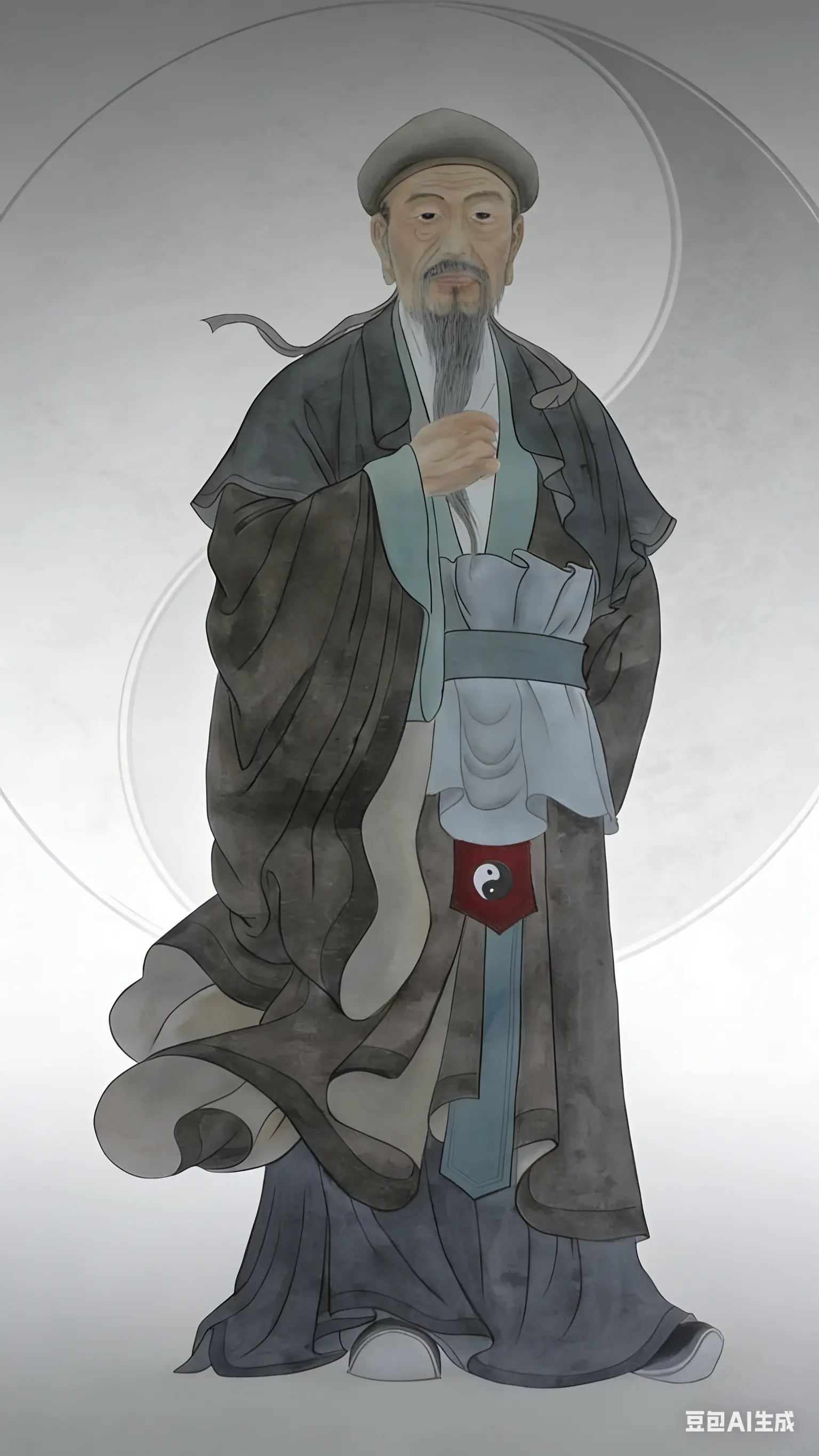
Yang Style – The Most Widely Practiced Form
Yang Style began when Yang Luchan (杨露禅, 1799–1872) traveled to Chenjiagou and studied under Chen Changxing.
After mastering Chen Style, Yang Luchan brought the art to Beijing during the Qing Dynasty. He later modified the form:
- Removing some explosive movements
- Standardizing tempo
- Expanding frame size
- Emphasizing smooth continuity
His grandson, Yang Chengfu (杨澄甫, 1883–1936), finalized the modern large-frame Yang Style. His book:
“Taijiquan Tiyong Quanshu” (太极拳体用全书, The Essence and Applications of Tai Chi)
became one of the most influential Tai Chi texts of the 20th century.
Yang Style characteristics:
- Even, slow rhythm
- Large, open postures
- Upright structure
- Emphasis on Peng energy (掤劲)
Today, Yang Style accounts for the majority of global practitioners.
For beginners who want step-by-step instruction on posture alignment and breathing rhythm, we explain 24-Step Guide to Yang Style Tai Chi 24 Form in detail here .
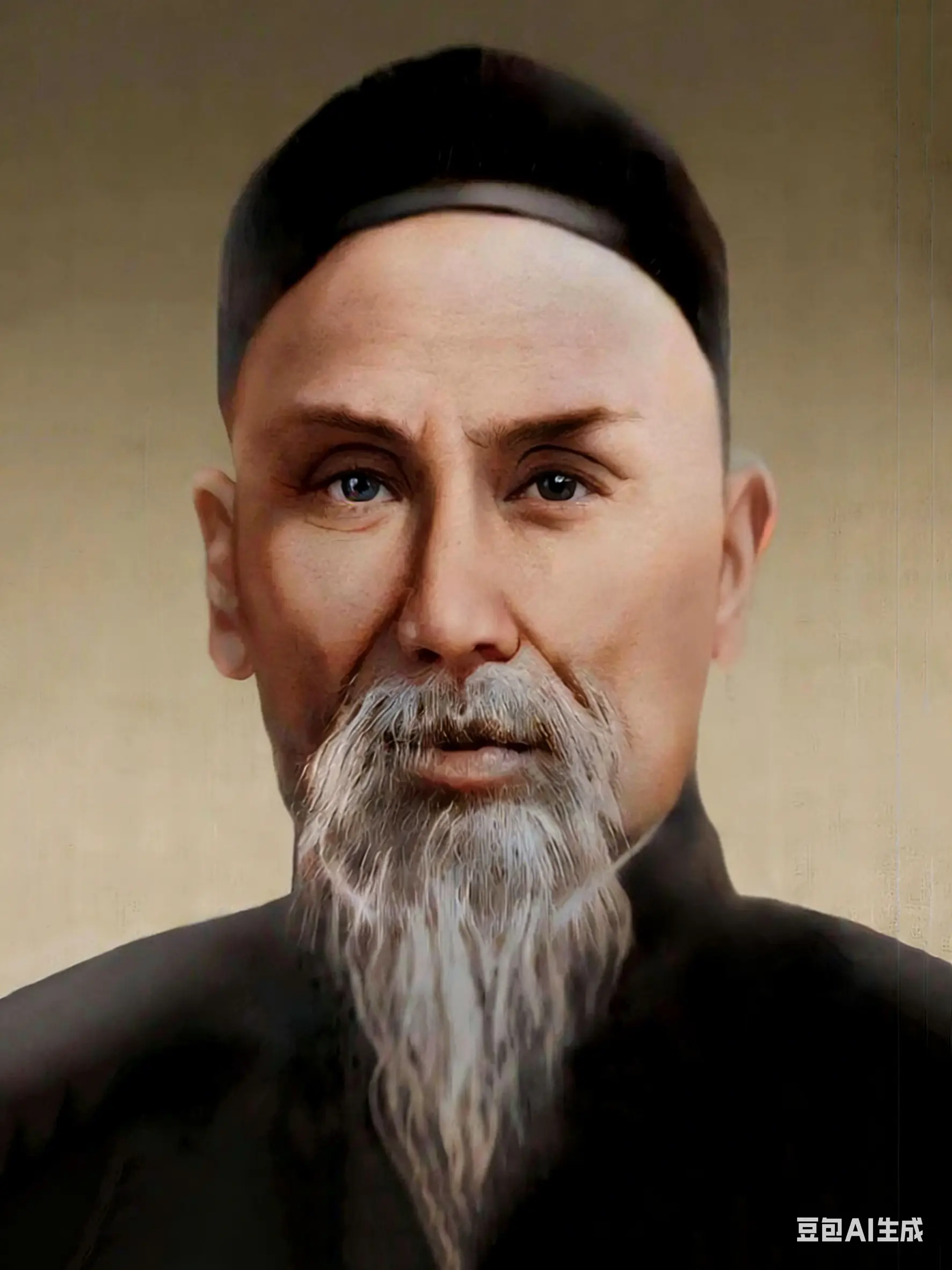
Wu Style – Compact and Structured
Wu Style Tai Chi (吴氏) was developed by Wu Quanyou (吴全佑, 1834–1902) and later refined by his son Wu Jianquan (吴鉴泉, 1870–1942) .
Unlike Chen or Yang, Wu Style features:
- Slight forward inclination
- Compact frame
- Emphasis on subtle neutralization
- Soft yet structurally precise transitions
Wu Style became especially popular in Shanghai and Hong Kong during the early 20th century.
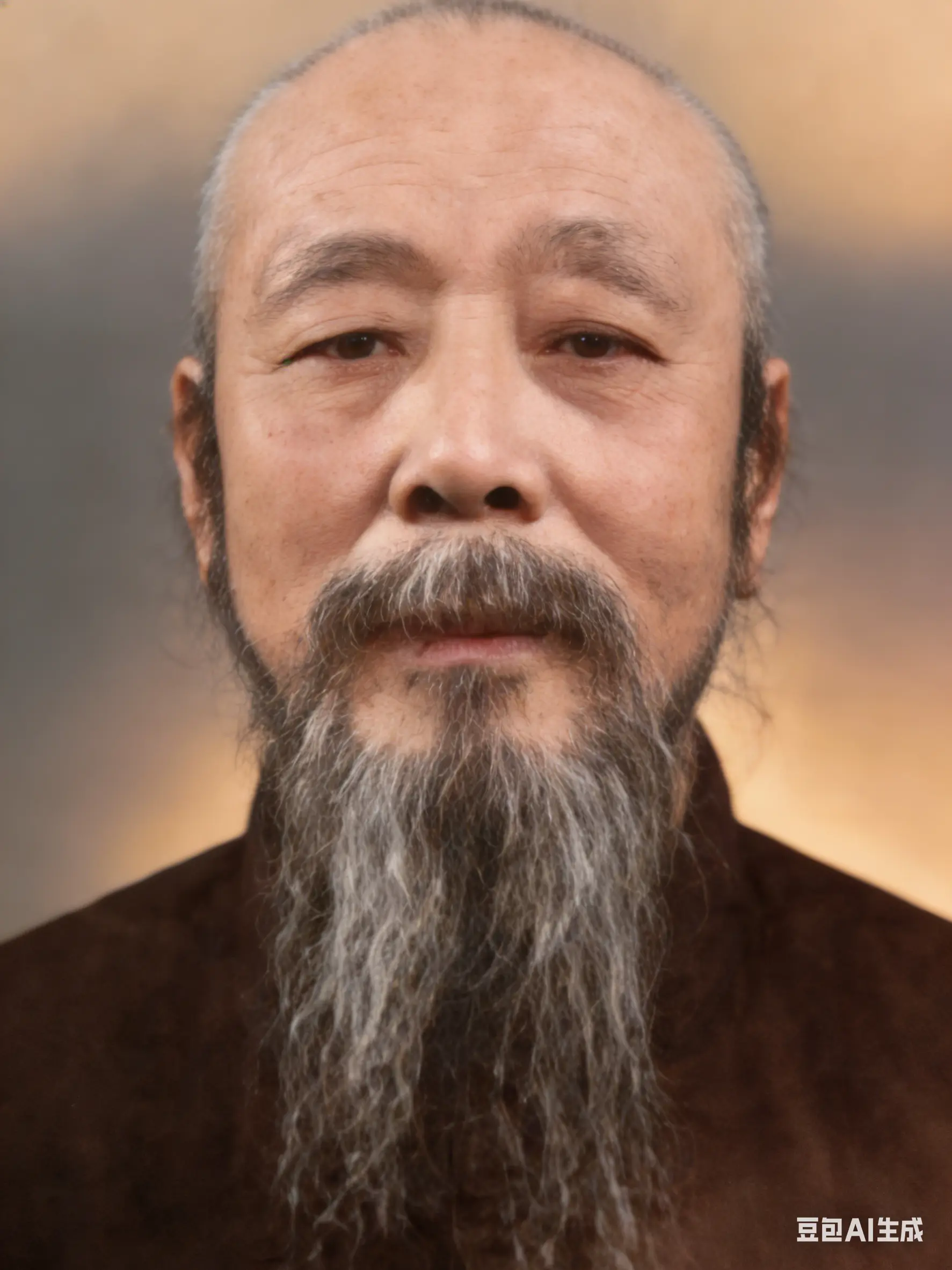
Wu (Hao) Style – Refined Internal Small Frame
Wu (Hao) Style (武氏) was founded by Wu Yuxiang (武禹襄, 1812–1880) , who also studied under Chen Qingping.
This style emphasizes:
- Small frame movements
- Precise internal alignment
- Minimal external expression
- Refined control of Dantian (丹田) rotation
Wu Yuxiang authored one of the earliest Tai Chi theoretical treatises:
“Taijiquan Lun” (太极拳论, Treatise on Tai Chi)
This style is often considered the most internally focused.
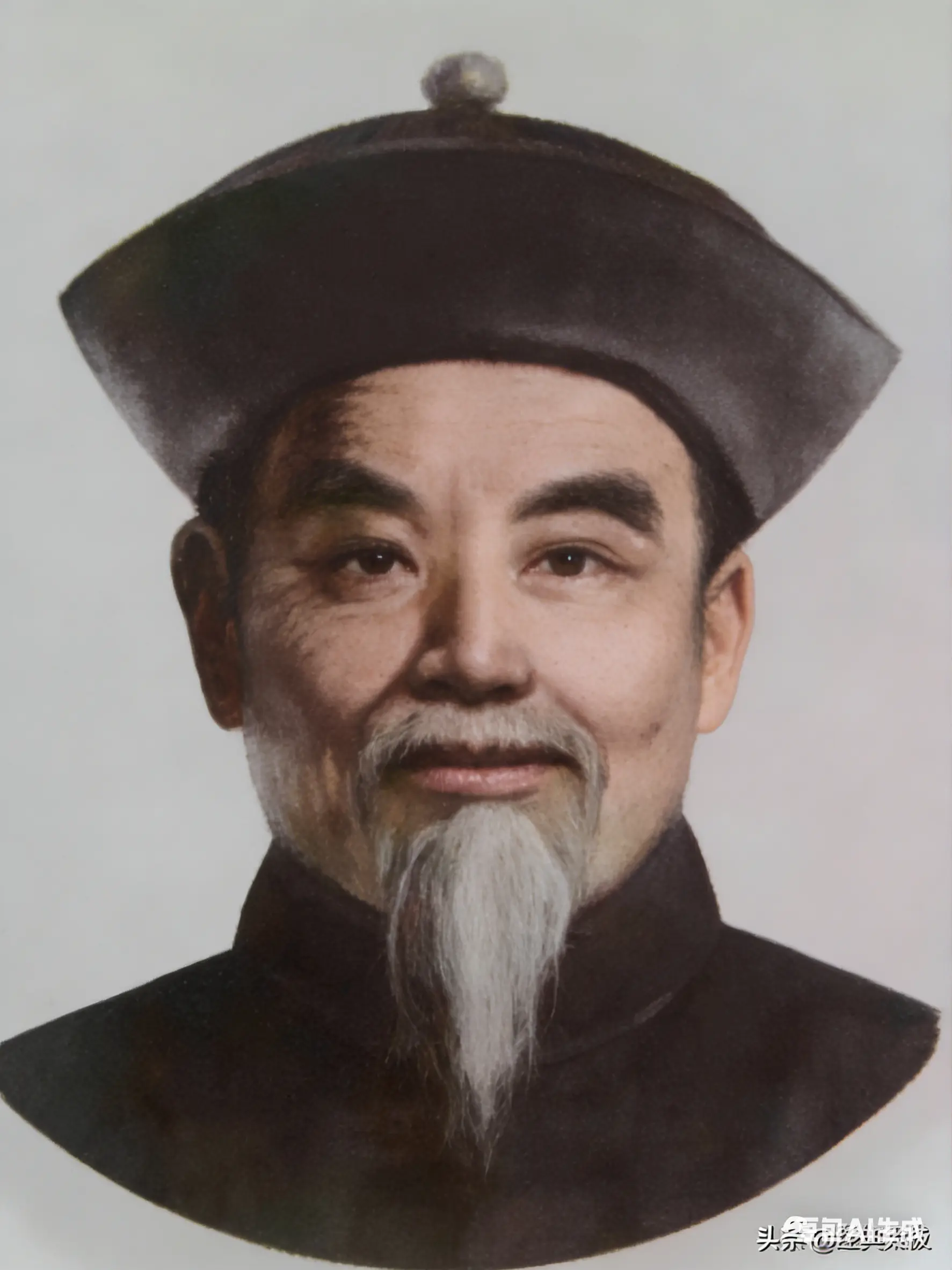
Sun Style – Integration of Three Internal Arts
Sun Style was created by Sun Lutang (孙禄堂, 1860–1933) , a master of:
- Xingyiquan (形意拳)
- Baguazhang (八卦掌)
- Taijiquan
Sun Lutang integrated stepping patterns from Bagua and linear power from Xingyi into Tai Chi structure.
Sun Style features:
- Agile stepping (活步)
- Higher stance
- Smooth transitions
- Coordinated opening and closing
It is often recommended for older practitioners due to its upright posture and mobility emphasis.
What Actually Defines a “Tai Chi Style”?
Many beginners assume style differences are mostly historical.
They are not.
The differences are structural and biomechanical.
Key variables include:
- Frame size (large vs small)
- Stance depth
- Tempo variation
- Power expression method
- Emphasis on martial vs health training
For example:
Chen Style’s “Jin Gang Dao Dui” (金刚捣碓) uses explosive spiral torque. Yang Style’s “Lan Que Wei” (揽雀尾, Grasp the Sparrow’s Tail) emphasizes continuous Peng structure without visible explosion.
Both are Tai Chi. But they feel very different.
Core Principle Shared by All Styles
Despite surface differences, all authentic Tai Chi styles share:
- Yin-Yang transformation (虚实转换)
- Dantian-centered movement
- Whole-body power integration
- Relaxation before force
- Structural alignment over muscular tension
The classical saying applies to every style:
“Use intention, not brute force.” “以意行气,以气运身”
Understanding this shared foundation prevents style dogmatism.
There is no “superior” style. Only different expressions of the same internal principle.
Tai Chi Styles at a Glance – Quick Personality Guide
Before we examine deeper technical mechanics, here is a high-level overview to help you orient yourself.
| Style | Movement Feel | Physical Intensity | Explosive Power | Beginner Friendly | Primary Emphasis |
|---|---|---|---|---|---|
| Chen Style | Spiraling, elastic, alternating slow–fast | Moderate–High | Strong (Fajin) | Moderate | Martial power + tradition |
| Yang Style | Smooth, flowing, continuous | Low–Moderate | Minimal visible | Very High | Health + accessibility |
| Wu Style (吴氏) | Compact, subtle, forward-inclined | Low | Minimal | High | Structural sensitivity |
| Wu (Hao) Style (武氏) | Small-frame, precise | Low | Internal only | Moderate | Internal refinement |
| Sun Style | Agile stepping, upright | Moderate | Mild | High | Mobility + integration |
If you are unsure, Yang Style is the safest starting point.
If you want challenge and athletic depth, Chen Style is unmatched.
Now we look deeper.
What Truly Differentiates the Styles?
The difference between Tai Chi styles is not cosmetic. It lies in biomechanics, power expression, and training progression.
We examine five defining variables:
- Frame size
- Stance depth
- Tempo variation
- Method of power generation
- Training goal orientation
Frame Size and Structural Geometry
Chen Style and Yang Style both use what is called “large frame” (大架).
However:
- Chen large frame uses more rotational torque.
- Yang large frame emphasizes horizontal expansion and vertical alignment.
Wu (吴氏) reduces frame width and slightly inclines the torso forward. Wu (Hao) (武氏) compresses even further into small, subtle internal rotations.
Sun Style maintains medium frame size but integrates stepping transitions from Baguazhang (八卦掌).
This structural geometry affects:
- Joint loading
- Center of gravity
- Energy projection
- Learning difficulty
For example:
Chen Style’s “Er Qi Jiao” (二起脚, Double Kick) requires lower stance strength and dynamic balance.
Yang Style’s “Yun Shou” (云手, Cloud Hands) maintains upright center alignment with controlled lateral shifting.
Tempo and Rhythm
Chen Style uniquely alternates between:
- Slow silk reeling sequences
- Sudden explosive fajin (发劲) bursts
This dynamic rhythm originates from battlefield training methods in Henan during the late Ming Dynasty under Chen Wangting (陈王廷).
Yang Style, standardized by Yang Chengfu (杨澄甫, 1883–1936), removes abrupt tempo shifts. It maintains consistent speed throughout the form.
Wu and Wu (Hao) remain steady and restrained. Sun Style introduces stepping transitions between almost every posture.
Tempo affects cardiovascular load and neuromuscular adaptation.
Chen creates intermittent power demand. Yang creates sustained parasympathetic activation.
Power Expression — The Real Technical Divide
This is where most confusion exists.
All styles contain internal power.
But expression differs.
Chen Style – Silk Reeling and Explosive Torque
The defining mechanism is Chansijin (缠丝劲, Silk Reeling Energy).
Power originates in:
- Dantian rotation
- Spiral fascial tension
- Ground reaction force transfer
Classic example:
“Jin Gang Dao Dui” (金刚捣碓, Buddha’s Warrior Pounds Mortar) contains clear fajin expression.
Chen power resembles coiling and releasing a spring.
Historically transmitted through masters such as:
- Chen Fake (陈发科, 1887–1957) in Beijing
- Chen Zhaokui (陈照奎, 1928–1981)
Yang Style – Continuous Peng Structure
Yang Style emphasizes Peng Jin (掤劲) — an expansive structural energy.
Peng is not muscular tension. It is elastic structural integrity.
The foundational posture:
“Lan Que Wei” (揽雀尾, Grasp the Sparrow’s Tail)
demonstrates:
- Ward-off (Peng)
- Rollback (Lu)
- Press (Ji)
- Push (An)
These are known as the Four Primary Energies (四正劲).
Yang power is less explosive but more continuous.
It prioritizes:
- Stability
- Rootedness
- Structural resilience
This is why Yang Style dominates therapeutic and global teaching environments. For a complete guide to the Yang style 85 form — the definitive traditional long form — see our Zhao Youbin 85 Form article.
Wu Style – Subtle Neutralization
Wu Style (吴氏) emphasizes:
- Yielding without collapse
- Compact redirection
- Close-range push hands
The slight forward inclination is intentional. It enhances sensitivity during Tuishou (推手, Push Hands) training.
Wu Jianquan (吴鉴泉) systematized this structure in early 20th-century Shanghai.
Wu Style is especially effective for:
• Close-contact training • Joint-friendly practice • Precision body mechanics
Wu (Hao) Style – Internal Micro-Adjustment
Founded by Wu Yuxiang (武禹襄, 1812–1880), this style emphasizes:
- Small circle rotation
- Micro Dantian control
- Minimal visible movement
Wu Yuxiang studied both Chen Qingping and classical Tai Chi texts.
His theoretical writings deeply influenced later interpretations of Taijiquan Lun (太极拳论).
This style is often chosen by advanced practitioners interested in subtle internal mechanics.
Sun Style – Integrated Internal Method
Created by Sun Lutang (孙禄堂, 1860–1933).
Sun Style integrates:
- Linear power from Xingyiquan
- Circular stepping from Baguazhang
- Tai Chi internal structure
Distinctive feature:
After nearly every posture, the rear foot steps forward into a “follow step.”
This increases mobility and reduces static loading.
Sun Style is often recommended for:
- Older adults
- Practitioners seeking dynamic coordination
- Those cross-training internal arts
Chen vs Yang — The Most Common Question
Search data shows that “Chen vs Yang Tai Chi” is the most frequently compared query.
Let’s clarify.
Structural Depth
Chen stance depth is generally lower. Yang stance height is moderate.
Lower stance increases quadriceps and glute activation. Yang reduces joint strain for beginners.
Tempo Pattern
Chen alternates slow and explosive. Yang maintains consistent speed.
Chen feels like controlled intensity. Yang feels meditative and continuous.
Martial Orientation
Historically:
Chen retained more visible combat drills within Chenjiagou, Henan.
Yang, after entering Beijing’s imperial environment, shifted toward public instruction.
This does not mean Yang lacks martial content. It means its expression is subtler.
Learning Curve
For beginners:
Yang is typically easier to learn.
Chen requires:
• Better leg endurance • Greater coordination • Understanding of spiral torque
However, serious martial artists may find Chen more immediately satisfying.
Physical Demand and Training Comparison
| Style | Stance Height | Speed Variation | Explosive Power | Joint Load | Learning Curve |
|---|---|---|---|---|---|
| Chen | Low | High | Strong | Moderate | Steep |
| Yang | Medium | Low | Minimal visible | Low | Easy |
| Wu | Medium–High | Low | Minimal | Very Low | Easy |
| Wu (Hao) | High | Low | Internal only | Very Low | Moderate |
| Sun | Medium | Moderate | Mild | Low | Easy |
Key Insight
The “best” Tai Chi style does not exist.
The correct style depends on:
- Your physical condition
- Your training goal
- Your interest in martial depth
- Your tolerance for complexity
In the next section, we will examine:
- Which Tai Chi style is best for beginners
- Which is best for seniors
- Which is best for martial arts
- Which is best for stress relief
- What science says about each
Which Tai Chi Style Is Best for You? Scenario-Based Recommendations Backed by Science
Choosing a Tai Chi style is not about tradition alone. It is about alignment between method and goal.
Below are evidence-informed recommendations based on:
- Historical training emphasis
- Structural biomechanics
- Modern sports science research
- Practical teaching experience
Best Tai Chi Style for Beginners
Recommended: Yang Style Tai Chi Alternative: Wu Style
Yang Style, standardized by Yang Chengfu (杨澄甫, 1883–1936), is the most accessible entry point for new practitioners.
Why?
- Large, open movements
- Even tempo
- Upright posture
- Moderate stance depth
- Clear structural alignment
The foundational posture “Lan Que Wei” (揽雀尾, Grasp the Sparrow’s Tail) trains the Four Primary Energies:
Peng (Ward-Off)
Lu (Rollback)
Ji (Press)
An (Push)
This structure builds coordination without overwhelming complexity.
From a biomechanical perspective:
• Moderate knee flexion reduces patellofemoral stress • Continuous tempo lowers heart rate variability spikes • Slow repetition improves motor pattern encoding
Beginners need consistency. Yang provides it.
Wu Style (吴氏), developed by Wu Jianquan (吴鉴泉, 1870–1942), is also beginner-friendly, especially for those with limited mobility.
Best Tai Chi for Seniors and Balance
Recommended: Yang Style or Sun Style
Balance decline is closely associated with reduced proprioception and slower neuromuscular signaling.
Studies in geriatric exercise science consistently show Tai Chi improves:
- Single-leg stance duration
- Postural stability
- Fall risk reduction
Sun Style Tai Chi, created by Sun Lutang (孙禄堂, 1860–1933), has unique characteristics that benefit older practitioners:
- Higher stance
- Follow-step transitions
- Upright torso
- Frequent weight shifting
Because each movement transitions through stepping patterns, Sun Style continuously trains dynamic balance.
Yang Style, particularly the 24-Form Simplified Routine standardized in 1956 by the Chinese Sports Committee, remains the most researched form in fall-prevention trials.
Slow tempo enhances:
- Vestibular integration
- Ankle stabilizer activation
- Lower limb coordination
For seniors concerned about knee stress, avoid excessively low stances found in advanced Chen training.
For a complete decade-by-decade guide to choosing the right style and practice intensity, see Tai Chi for Beginners Over 50 vs. Over 60.
Best Tai Chi Style for Martial Arts Training
Recommended: Chen Style Tai Chi Alternative: Wu Style
If your goal includes martial application, Chen Style offers the clearest visible integration of combat mechanics.
Originating in Chenjiagou (陈家沟), Wen County, Henan Province, under Chen Wangting (陈王廷, 17th century), Chen retained battlefield principles.
Key features:
- Silk reeling energy (缠丝劲, Chansijin)
- Explosive issuing force (Fajin, 发劲)
- Alternating tempo
- Low stance leg conditioning
Signature posture:
“Jin Gang Dao Dui” (金刚捣碓) demonstrates ground-force transmission through spiral torque.
Biomechanical interpretation:
- Power originates from ground reaction force
- Rotational acceleration transfers through fascial chains
- Dantian rotation synchronizes kinetic linking
Electromyography (EMG) studies from Chinese sports universities show increased lower-limb muscle activation during Chen low-stance routines compared to Yang large-frame forms.
Wu Style (吴氏) is highly respected for push-hands (Tuishou, 推手) sensitivity training, particularly in close-range redirection.
If you seek explosive expression, choose Chen. If you seek subtle redirection skill, consider Wu.
Best Tai Chi for Stress Relief and Mental Clarity
Recommended: Yang Style Tai Chi
Tai Chi is widely recognized for parasympathetic nervous system activation.
Yang Style’s steady tempo creates:
- Controlled breathing cycles
- Lower sympathetic stress response
- Improved heart rate variability
Slow, continuous movement encourages diaphragmatic breathing.
The classical instruction:
“Use intention, not force” (以意行气,以气运身)
reduces muscular co-contraction.
Neuroscientific research using functional MRI has shown long-term Tai Chi practitioners demonstrate:
- Increased prefrontal cortex regulation
- Reduced amygdala reactivity
- Improved attentional control
Yang’s consistent rhythm supports meditative immersion without cognitive overload.
For individuals experiencing anxiety, Yang is usually preferable to Chen’s dynamic bursts.
Best Tai Chi for Joint Health and Arthritis
Recommended: Wu Style or Yang Style
Wu Style’s slightly higher stance reduces compressive load on the knee joint.
Compact frame movement decreases extreme hip abduction angles.
Yang Style, when practiced at moderate depth, distributes weight gradually and reduces impact forces.
Research in osteoarthritis populations shows Tai Chi improves:
- Joint range of motion
- Pain perception
- Quadriceps strength
Important clarification:
Joint stress is determined more by stance depth and alignment than by style name.
A poorly aligned Yang form can stress knees. A well-trained Chen practitioner can protect them.
Instruction quality matters more than style label.
Best Tai Chi for Athletic Challenge and Leg Strength
Recommended: Chen Style
Chen Style incorporates:
- Lower stances
- Sudden acceleration
- Jumping movements such as “Er Qi Jiao” (二起脚)
- Cannon Fist (Paochui, 炮捶) training
These elements increase:
- Fast-twitch muscle recruitment
- Tendon elasticity
- Hip rotational power
Compared to Yang’s uniform tempo, Chen demands greater metabolic fluctuation.
Athletically inclined individuals often find Chen more stimulating.
However, it requires gradual conditioning.
Best Tai Chi for Internal Refinement
Recommended: Wu (Hao) Style
Wu (Hao) Style (武氏), founded by Wu Yuxiang (武禹襄, 1812–1880), is less externally dramatic.
It emphasizes:
- Micro-rotation of Dantian
- Minimal visible amplitude
- Deep internal alignment
This style influenced theoretical development of classical Tai Chi literature, including interpretations of Taijiquan Lun (太极拳论).
Advanced practitioners seeking subtle internal mechanics may prefer this approach.
It is not typically recommended as a first style.
What Does Science Say About Style Differences?
While most Western clinical research examines Yang 24-Form, biomechanical principles explain differences between styles.
Spiral Mechanics in Chen Style
Spiral movement increases torsional load distribution across connective tissue.
Instead of linear force, Chen uses rotational acceleration.
This reduces peak joint impact but increases muscular coordination demand.
Spiral loading enhances:
- Fascial elasticity
- Neuromuscular synchronization
- Force transmission efficiency
Continuous Tempo in Yang Style
Steady tempo lowers ventilatory equivalent and promotes aerobic efficiency.
Research on moderate-intensity Tai Chi shows:
• Improved VO₂ efficiency • Reduced cortisol levels • Increased parasympathetic dominance
Yang’s uniform pacing may enhance long-duration adherence.
Balance Adaptation Across Styles
All styles train weight transfer.
However:
Sun Style’s frequent stepping enhances dynamic gait adaptation.
Wu Style’s compact structure improves close-range proprioception.
Yang improves static balance control.
Chen improves reactive force adaptation.
Different styles stress different neuromuscular systems.
Critical Insight
Style differences are real. But they are differences of emphasis, not contradiction.
Every authentic Tai Chi system shares:
- Yin-Yang transformation
- Whole-body integration
- Relaxation before power
- Rooted stance
- Dantian-centered control
The right style is the one you will practice consistently.
Consistency produces skill. Style selection refines direction.
How to Choose the Right Tai Chi Teacher
Selecting a style is important. Selecting a teacher is more important.
Across all five major Tai Chi styles — Chen, Yang, Wu (吴氏), Wu (Hao) (武氏), and Sun — quality of instruction determines outcome more than style label.
Here are the key criteria.
1. Lineage and Transmission
Authentic Tai Chi is traditionally transmitted through lineage.
For example:
- Chen Style traces through Chen Wangting (陈王廷) → Chen Changxing (陈长兴) → Chen Fake (陈发科) → modern inheritors.
- Yang Style traces through Yang Luchan (杨露禅) → Yang Banhou (杨班侯) → Yang Chengfu (杨澄甫).
- Wu Style (吴氏) traces through Wu Quanyou (吴全佑) → Wu Jianquan (吴鉴泉).
- Wu (Hao) Style (武氏) traces through Wu Yuxiang (武禹襄).
- Sun Style traces through Sun Lutang (孙禄堂).
Lineage does not guarantee skill. But it preserves structural integrity and theoretical continuity.
A qualified instructor should be able to clearly explain:
- Their training background
- Their teachers
- Their system’s historical root
2. Structural Correction Ability
Tai Chi is subtle.
A teacher must be able to correct:
- Knee alignment
- Pelvic positioning
- Dantian rotation
- Shoulder relaxation
- Weight distribution
Poor alignment can cause joint strain regardless of style.
Good instruction reduces injury risk.
3. Teaching Focus — Health, Martial, or Both?
Some schools emphasize:
- Therapeutic movement
- Push hands (Tuishou, 推手)
- Form performance
- Competition routines
- Traditional family transmission
For example:
The standardized 24-Form Yang routine (1956) was developed for mass health promotion.
Traditional Chen Laojia Yilu (老架一路) retains martial sequencing and silk reeling drills.
Clarify your goal before choosing your teacher.
4. In-Person vs Online Learning
Online learning has expanded globally, especially post-2020.
However:
- Beginners benefit from physical correction
- Intermediate students can refine through video feedback
- Advanced practitioners require tactile push-hands interaction
If no qualified teacher exists locally, begin with structured online programs, but seek correction when possible.
Tai Chi is embodied knowledge.
Touch matters.
Common Misconceptions About Tai Chi Styles
Misunderstanding often arises from partial exposure.
Let us address the most frequent misconceptions.
“Chen Style Is More Authentic”
Chen Style is historically the oldest preserved lineage, originating in Chenjiagou, Henan.
However:
Authenticity does not equal superiority.
Yang Style emerged directly from Chen instruction under Chen Changxing.
Wu and Sun styles evolved through legitimate transmission.
All five major styles share the same classical root principles.
Authenticity lies in structure, not aggression.
“Yang Style Is Too Simplified”
Yang Chengfu standardized the form to make it accessible to the public in early 20th-century Beijing and Shanghai.
He did not remove internal mechanics.
He reduced visible explosive expressions.
Peng energy (掤劲) remains central.
Many advanced Yang practitioners demonstrate profound internal power without visible force.
Do not mistake smoothness for weakness.
“Tai Chi Is Only for the Elderly”
This perception became common in the late 20th century due to public park practice.
Historically, Tai Chi was a martial art.
Chen Style’s Cannon Fist (Paochui, 炮捶) includes:
- Jumping kicks
- Rapid strikes
- Short-range explosive power
Sun Lutang, founder of Sun Style, was also a master of Xingyiquan and Baguazhang — both combat-oriented arts.
Tai Chi can be gentle. It can also be formidable.
Intensity depends on training method.
“There Is One Best Style”
There is no universally superior style.
There is only appropriate alignment between:
- Body condition
- Personal goal
- Learning preference
- Available instruction
Style is a tool. Consistency is the key.
Tai Chi as Global Cultural Heritage
Tai Chi is not only a martial system.
It is a recognized cultural treasure.
In December 2020, Taijiquan was inscribed on the UNESCO Representative List of the Intangible Cultural Heritage of Humanity.
Originating in China, it is now practiced in over 150 countries.
Its global spread accelerated through:
- Cultural exchange programs
- Academic research
- Public health initiatives
- International competitions organized by the International Wushu Federation (IWUF)
Modern adaptations include:
- Simplified 24-Form (1956, Beijing)
- 42-Form competition routine
- Standardized Chen 56-Form
Yet traditional family forms remain preserved in:
- Chenjiagou (Henan)
- Yongnian (Hebei) — birthplace of Yang Style
- Guangfu Town (Hebei)
- Shanghai and Hong Kong Wu lineages
Tai Chi has evolved — without losing its philosophical core.
Final Decision Framework — A Simple Way to Choose
If you still feel uncertain, follow this simplified path:
Step 1 — Define Your Priority
Health & relaxation? → Choose Yang or Wu.
Balance & mobility? → Choose Yang or Sun.
Martial depth & explosive training? → Choose Chen.
Subtle internal refinement? → Explore Wu (Hao).
Step 2 — Assess Your Body
Knee sensitivity? → Avoid very low stances initially.
Strong athletic background? → Chen may feel natural.
Limited mobility? → Sun or Wu may be comfortable.
Step 3 — Evaluate Available Teachers
A great Yang teacher is better than a mediocre Chen teacher.
Access matters.
The Core Principle
All authentic Tai Chi styles embody one shared doctrine:
“Yin and Yang transform continuously.”
Whether expressed through:
- Chen’s spiral fajin
- Yang’s continuous expansion
- Wu’s subtle neutralization
- Sun’s agile stepping
The essence remains:
Relaxation generates power. Structure guides force. Intention directs movement.
The best Tai Chi style is the one you practice consistently under proper guidance.
About the Authors
Written by Master Mingde Chen 12th Generation Chen Style Tai Chi Inheritor
Reviewed by Dr. Jing Li PhD in Sports Science (Biomechanics)
FAQ
- What are the five major Tai Chi styles?
The five major traditional Tai Chi styles are Chen, Yang, Wu (吴氏), Wu (Hao) (武氏), and Sun. Chen Style originated in Chenjiagou, Henan Province under Chen Wangting in the 17th century. Yang Style was developed by Yang Luchan in Hebei Province. Wu Style traces to Wu Quanyou and Wu Jianquan. Wu (Hao) was founded by Wu Yuxiang. Sun Style was created by Sun Lutang in the early 20th century.
- Is Chen Style more powerful than Yang Style?
Chen Style visibly includes explosive fajin (发劲) and lower stances, making power expression more obvious. However, Yang Style contains internal peng energy (掤劲) and full-body integration. Power depends more on training depth than style name.
- Which Tai Chi style is easiest to learn?
Yang Style Tai Chi is generally considered the most beginner-friendly due to its smooth tempo, large frame movements, and standardized 24-Form routine introduced in 1956.
- Which Tai Chi style is best for arthritis?
Wu Style and moderate-stance Yang Style are commonly recommended for individuals with arthritis because of higher stances and reduced knee stress. Proper alignment is more important than style selection.
- Is Sun Style Tai Chi good for balance?
Yes. Sun Style includes frequent follow-step transitions, which improve dynamic balance and gait coordination. It is often recommended for older adults.
- Are all Tai Chi styles recognized internationally?
Yes. In 2020, Taijiquan was added to UNESCO’s Representative List of the Intangible Cultural Heritage of Humanity. All five major styles are recognized as part of this cultural heritage.
- What is the difference between Wu Style and Wu (Hao) Style?
Wu Style (吴氏) traces to Wu Quanyou and Wu Jianquan and emphasizes compact frame and push hands. Wu (Hao) Style (武氏), founded by Wu Yuxiang, emphasizes small-frame precision and theoretical refinement. They are historically distinct lineages.
- Can I switch Tai Chi styles later?
Yes. Many practitioners cross-train after establishing foundational structure. However, beginners benefit from focusing on one style initially to build consistent body mechanics.
Master Mingde Chen
12th generation Chen-style inheritor with decades of teaching experience.
View all articles →