Tai Chi for Women: Benefits for Balance, Stress & Hormonal Health
Key Takeaways
- Tai Chi addresses women's health priorities: bone density (3-5% increase in hip density over 12 months), balance (43% fall reduction), and stress management
- Postmenopausal women practicing Tai Chi 3x/week showed 2.5x less bone loss compared to sedentary controls in a 12-month trial
- Prenatal Tai Chi is safe and effective: reduces pregnancy-related low back pain by 30% and improves sleep quality in third trimester
- Women-specific benefits also include: reduced PMS symptoms, improved pelvic floor awareness, and enhanced body image
Women & Tai Chi Series
Deepen your understanding with books that blend Tai Chi, Qigong, and feminine perspective.
Start here if you’re new to practice.
- ← Tai Chi for Women: The Ultimate Guide to Benefits & Getting Started
Why Many Women Turn to Tai Chi as a Lifelong Practice
For many women, Tai Chi begins not as a martial art, but as a search for balance — physically, emotionally, and mentally. In a fast-paced world, the appeal of a gentle yet powerful movement practice is undeniable.
Rooted in traditional Chinese internal arts, Tai Chi offers a low-impact and sustainable movement practice that builds strength, supports nervous system regulation, and adapts naturally across different life stages. Whether navigating career stress, perimenopause, recovery, or healthy aging, Tai Chi often becomes a lifelong practice rather than a temporary fitness trend.
What is Tai Chi for women? Tai Chi is a gentle internal cultivation practice combining slow movement, breathing, and mental focus. Many women use it to improve balance, regulate stress responses, and develop sustainable wellbeing without high-impact strain.
You’re busy, and sustainable solutions matter. What if personal strength could be developed without exhaustion or injury?
The answer lies in Tai Chi . Originating from Chinese internal martial arts, it develops coordination, structural alignment, and calm responsiveness. Rather than functioning as a workout, Tai Chi is better understood as a cultivation practice — strengthening both body awareness and emotional resilience over time. New to Tai Chi? This guide builds on the foundations explained in our complete Tai Chi beginner’s guide .
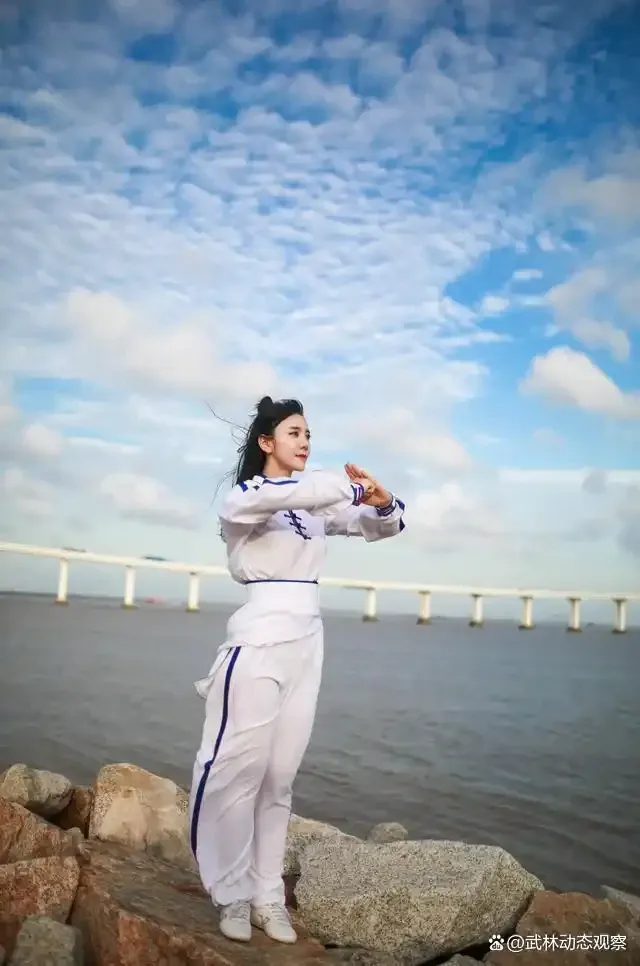
Tai Chi’s Martial Roots — and Why They Still Matter
Tai Chi developed as an internal martial art emphasizing efficiency rather than force. Instead of meeting strength with strength, practitioners learn to redirect energy through structure, timing, and awareness.
Why does this matter today? Because the same qualities that created effective martial practitioners — balance, calm attention, and adaptive response — are the qualities that support resilience in modern life.
Modern practitioners value Tai Chi less for combat and more for cultivating stability under pressure. The martial foundation explains why its health effects extend beyond simple movement: every posture trains coordination between mind, breath, and body.
Why do many women prefer Tai Chi over high-intensity exercise? Tai Chi emphasizes sustainable movement instead of physical strain. Its slow transitions improve balance, joint stability, and nervous system regulation, making it accessible across different ages and energy levels.
What Are the Real Physical Benefits for Women?
Better Balance & Stronger Bones
Tai Chi functions as continuous balance practice. Slow weight shifts and single-leg transitions strengthen stabilizing muscles while improving body awareness.
- Regular practitioners show significantly reduced fall risk.
- Weight-bearing postures gently stimulate bone adaptation, supporting long-term skeletal health.
Over time, this becomes more than physical conditioning. Many women describe developing trust in their bodies — a grounded confidence extending into daily life.
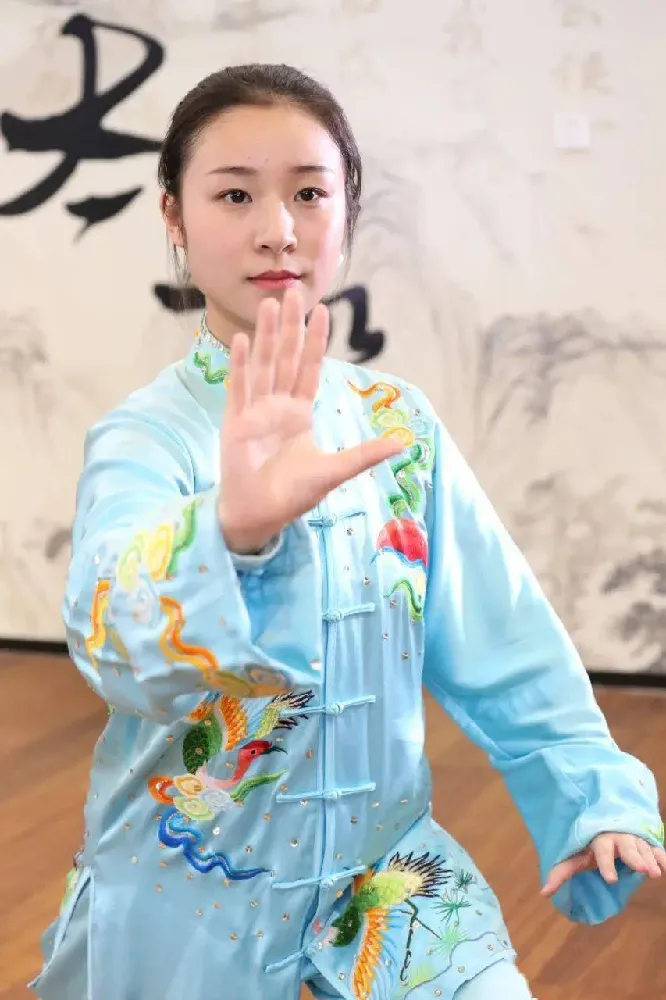
Cardiovascular & Breathing Support
Despite its slow appearance, Tai Chi engages continuous coordinated movement with diaphragmatic breathing. This combination supports circulation efficiency and respiratory capacity without excessive strain.
Rather than pushing intensity, Tai Chi refines efficiency — improving how the body uses energy instead of simply increasing output.
Hormonal Balance & Nervous System Regulation
The rhythmic nature of Tai Chi activates parasympathetic nervous system responses — often described as shifting the body from “fight-or-flight” toward “rest-and-restore.”
- Supports emotional regulation during hormonal transitions.
- May ease stress-related symptoms such as sleep disturbance or tension.
- Encourages metabolic balance through gentle whole-body movement.
Why Tai Chi Resonates Especially with Many Women
Across cultures, women often describe Tai Chi as aligned with listening rather than forcing. Progress emerges through consistency, not intensity.
This makes the practice naturally compatible with life transitions — career demands, caregiving roles, recovery periods, and aging. Tai Chi allows strength without aggression and progress without urgency.
Rather than separating body and mind, Tai Chi develops embodied awareness — a foundation for emotional resilience and long-term wellbeing.
Is Tai Chi a lifelong practice? Yes. Tai Chi adapts to changing physical abilities and life stages. Beginners focus on coordination and relaxation, while long-term practitioners deepen internal cultivation, awareness, and nervous system balance.
How Can Tai Chi Reduce Stress?
Tai Chi functions as moving meditation. Attention is anchored in posture, breath, and transition, naturally interrupting repetitive stress patterns.
Research suggests regular practice may support mood regulation and reduce stress-related physiological responses. Instead of escaping stress, practitioners learn to respond with greater stability.
“You’re not just learning movements — you’re training how your nervous system responds to life.”
Tai Chi becomes less something performed and more something gradually embodied.
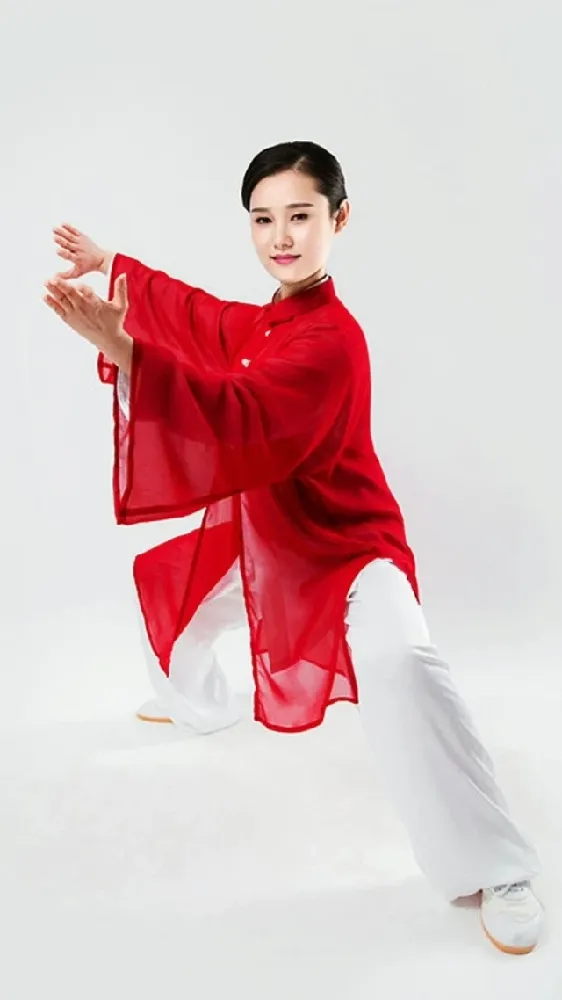
When Tai Chi Becomes More Than Exercise
Many women begin Tai Chi seeking physical benefits, yet remain because of internal cultivation. Over time, practice becomes a daily ritual supporting clarity, balance, and self-connection.
If you’re curious how women practitioners and teachers have explored these traditions more deeply, explore our dedicated reading guide:
→ Tai Chi Books for Women: A Guide to Healing & Inner Practice
Okay, I’m Convinced. How Do I Start Without Getting Overwhelmed?
Starting something new can feel daunting. The secret? Don’t try to learn it from a video alone. The subtle details of posture and weight shift are everything.
Here’s your stress-free starter plan:
- Find a Qualified Teacher. This is non-negotiable for beginners. Look for a local class or a reputable online school (like ours at www.taichiwuji.com) where an instructor can give you feedback. A good teacher will correct your form, preventing bad habits and ensuring you get the maximum benefit.
- Embrace the “Beginner’s Mind.” You will not look like the master in the park on day one. And that’s perfect. Let go of perfection. Focus on the feeling of the movement, not just the shape.
- Commit to 15 Minutes a Day. Consistency beats duration every single time. A short, daily practice is infinitely better than a two-hour session once a month. Your neuromuscular system learns through frequent, quality repetition.
- Wear the Right Gear. You don’t need special equipment. Just wear loose, comfortable clothing and flat, flexible shoes (or even just grip socks). You need to be able to move and sink into postures without restriction.
- Listen to Your Body—Especially Here.
Knees: Never let your knees extend past your toes. If you feel pain, back off.
Pregnancy or Postpartum: Consult your doctor and find an instructor experienced in working with your specific needs.
Existing Injuries: Same rule—talk to your doctor and your Tai Chi teacher so they can offer modifications.
The Real Proof: It’s More Than Just Movement
This isn’t just about theory. The transformation is real and personal.
Take Maya, a 42-year-old project manager. She came to Tai Chi burnt out, with constant lower back pain from sitting all day and a growing anxiety about her perimenopausal symptoms. After just three months of consistent practice, she told us:
“I didn’t just get physically stronger. I became harder to fluster. A stressful email doesn’t trigger me like it used to. I feel a sense of calm power I didn’t know I had. And my lower back? I haven’t thought about it in weeks.”
This is the warrior’s grace in action. It’s not about fighting others; it’s about winning your inner battles against stress, physical decline, and self-doubt.
Your Next Move: Step Into Your Strength
So, is Tai Chi just gentle exercise for retirees? Not even close.
It’s a proven, potent system for any woman ready to take control of her health. It builds a body that is balanced, strong, and resilient. It forges a mind that is focused, calm, and capable. It’s the ancient martial arts secret to thriving in our modern world.
You have two choices: Continue with the status quo, or try something that has empowered millions.
Ready to feel the difference? We’re here to guide you. Explore our free beginner-friendly resources and courses designed specifically for women at www.taichiwuji.com.
Your journey to a stronger, calmer, and more confident you starts with a single, intentional step.
If you’re interested in exploring how women practitioners and teachers have interpreted Tai Chi differently across generations, you may also enjoy our reading guide on Tai Chi and Qigong books written for women practitioners.
Frequently Asked Questions: Tai Chi for Women’s Health
- What is the best style of Tai Chi for women beginners?
For beginners, Yang Style is highly recommended. It’s the most popular and accessible form worldwide, characterized by its slow, gentle, and flowing movements. The 24-form Yang Style is a standardized, shortened sequence that is perfect for newcomers to learn the fundamentals without being overwhelmed.
- Can Tai Chi help with weight loss for women?
While not as intense as running, Tai Chi is an effective low-impact cardiovascular exercise. It aids weight management by: Boosting Metabolism: The continuous movement keeps your heart rate elevated in a fat-burning zone. Building Lean Muscle: It engages and tones your core and leg muscles. Reducing Stress-Induced Eating: The cortisol-lowering effect can help curb emotional eating habits.
- How does Tai Chi improve balance and prevent falls?
This is one of its most proven benefits. Tai Chi is essentially a continuous balance training session. It works by: Strengthening Ankles and Legs: The constant, controlled weight shifts build stabilizer muscles. Enhancing Proprioception: This is your body’s ability to sense its position in space, which naturally declines with age. Core Engagement: Every movement originates from the core, creating a stable “power center.”
- Are there specific Tai Chi exercises for lower back pain?
Yes! Many foundational Tai Chi movements are excellent for gentle back pain relief. Exercises like “Wave Hands like Clouds” gently mobilize the spine and strengthen the supporting muscles. The emphasis on proper posture (“sinking the tailbone”) and using the legs instead of the back for support is a game-changer for chronic pain sufferers.
- What are the mental health benefits of Tai Chi for women?
The mental benefits are profound and backed by science. Regular practice acts as a moving meditation, leading to: Significant Reductions in Anxiety and Depression symptoms. Improved Sleep Quality by calming the nervous system. Enhanced Cognitive Function and focus, thanks to the mind-body coordination required. A greater overall sense of mental clarity and emotional resilience.
- Is Tai Chi safe during pregnancy or for postpartum recovery?
With your doctor’s approval, Yes. Its low-impact nature makes it a safe option for maintaining strength and calm during pregnancy. For postpartum recovery, it’s exceptional for gently rehabilitating the core and pelvic floor, improving posture, and managing the stress of new motherhood. Crucially, always work with a qualified instructor who can provide appropriate modifications.
- Do I need any special equipment or clothing for Tai Chi?
Not at all. One of its greatest advantages is its simplicity. You just need: Comfortable, Loose-Fitting Clothing that doesn’t restrict movement. Flat, Flexible Shoes with thin soles (like kung fu shoes or flexible trainers) or barefoot/grip socks on a safe surface. An Open Space: Just enough room to stretch your arms out without hitting anything.
- Is Tai Chi different for women than for men?
The core principles of Tai Chi are universal, but many women experience the practice differently. Female practitioners often emphasize sustainability, nervous system regulation, and integration with daily life rather than physical competition. Modern teaching increasingly recognizes these perspectives as central to long-term practice.
- Is Tai Chi suitable for women over 40 or 50?
Absolutely—Tai Chi is exceptionally well-suited for women aged 40, 50, and beyond. Its low-impact, joint-friendly movements protect knees and hips while improving balance, flexibility, and bone health. It also eases menopausal symptoms like hot flashes, mood swings, and sleep disturbances, making it an ideal lifelong practice for mature women.
- What is the difference between Tai Chi and Qigong for women?
Qigong focuses on static or simple repetitive movements to cultivate and balance vital energy (Qi), making it perfect for relaxation, stress relief, and targeted healing. Tai Chi is a dynamic, choreographed sequence of flowing movements that combines Qigong principles with balance, coordination, and martial arts roots—offering a full mind-body workout. Women can practice both: Qigong for quick daily energy work, and Tai Chi for a more immersive, structured practice.
Master Mingde Chen
12th generation Chen-style inheritor with decades of teaching experience.
View all articles →