Tai Chi vs. Yoga for Weight Loss: Which Burns More Belly Fat? (Expert Comparison)
Key Takeaways
- Tai Chi burns 280+ cal/hour vs Yoga at 180-250 cal/hour — both are effective for weight management
- The key difference: Tai Chi supports a calmer stress response (some studies report cortisol dropping in the minutes after a session — an acute shift, not a sustained baseline change), addressing stress-driven belly fat storage at its source
- A 2009 study (DOI: 10.1089/acm.2009.0044) found Tai Chi practitioners maintained weight loss longer than yoga practitioners
- Your choice: Tai Chi for cortisol regulation and joint safety; Yoga for flexibility and muscle definition; both for best results
Written by Master Mingde Chen, 12th Generation Chen Style Tai Chi Inheritor Reviewed by Dr. Jing Li, PhD in Sports Science (Biomechanics)
When people think about mind–body practices for health and weight management, Tai Chi and Yoga almost always appear at the top of the list. Both are praised for improving flexibility, calming the mind, and supporting long-term wellness. But if your primary goal is weight loss , and more specifically reducing stubborn belly fat , the question becomes more nuanced.
In my experience teaching for over 25 years, many students arrive believing that only intense workouts can change body composition. This assumption often leads them to overlook slower practices entirely. Yet I’ve repeatedly observed that how the body is loaded, regulated, and recovered matters just as much as how many calories are burned in a single session.
This article compares Tai Chi and Yoga through a practical, evidence-informed lens: calorie burn, hormonal impact, movement mechanics, and long-term adherence. By the end, you should have a clear sense of which practice aligns best with your weight loss goals — and why.
Calorie Burn: A Direct Comparison (And Why It’s Misleading Alone)
At first glance, Yoga often appears to “win” on calorie burn, especially when compared to the slow, flowing movements of Tai Chi. In a narrow sense, this can be true.
Yoga: Wide Intensity Range
Yoga is not one practice but many.
- Restorative / Yin Yoga : very low calorie expenditure
- Hatha / Ashtanga : moderate
- Vinyasa / Power Yoga : high, sometimes exceeding 400 calories per hour
A typical mixed-level Hatha or Ashtanga class usually burns 180–350 calories per hour , depending on intensity, body weight, and experience level. Power-based styles can go higher due to sustained isometric holds and faster transitions.
Tai Chi: Moderate but Consistent
Tai Chi, by contrast, stays in a relatively narrow intensity range.
- Average burn : ~280–300 calories per hour
- Intensity : low to moderate, but continuous
- Effort pattern : uninterrupted muscle engagement rather than peaks
As explained in our detailed guide on Tai Chi for Weight Loss , Tai Chi’s energy expenditure comes from constant weight shifting, balance control, and deep core activation, not bursts of effort.
My professional view : A single-session calorie comparison misses the bigger picture. Sustainable fat loss depends less on peak burn and more on how consistently the body can tolerate and repeat the stimulus .
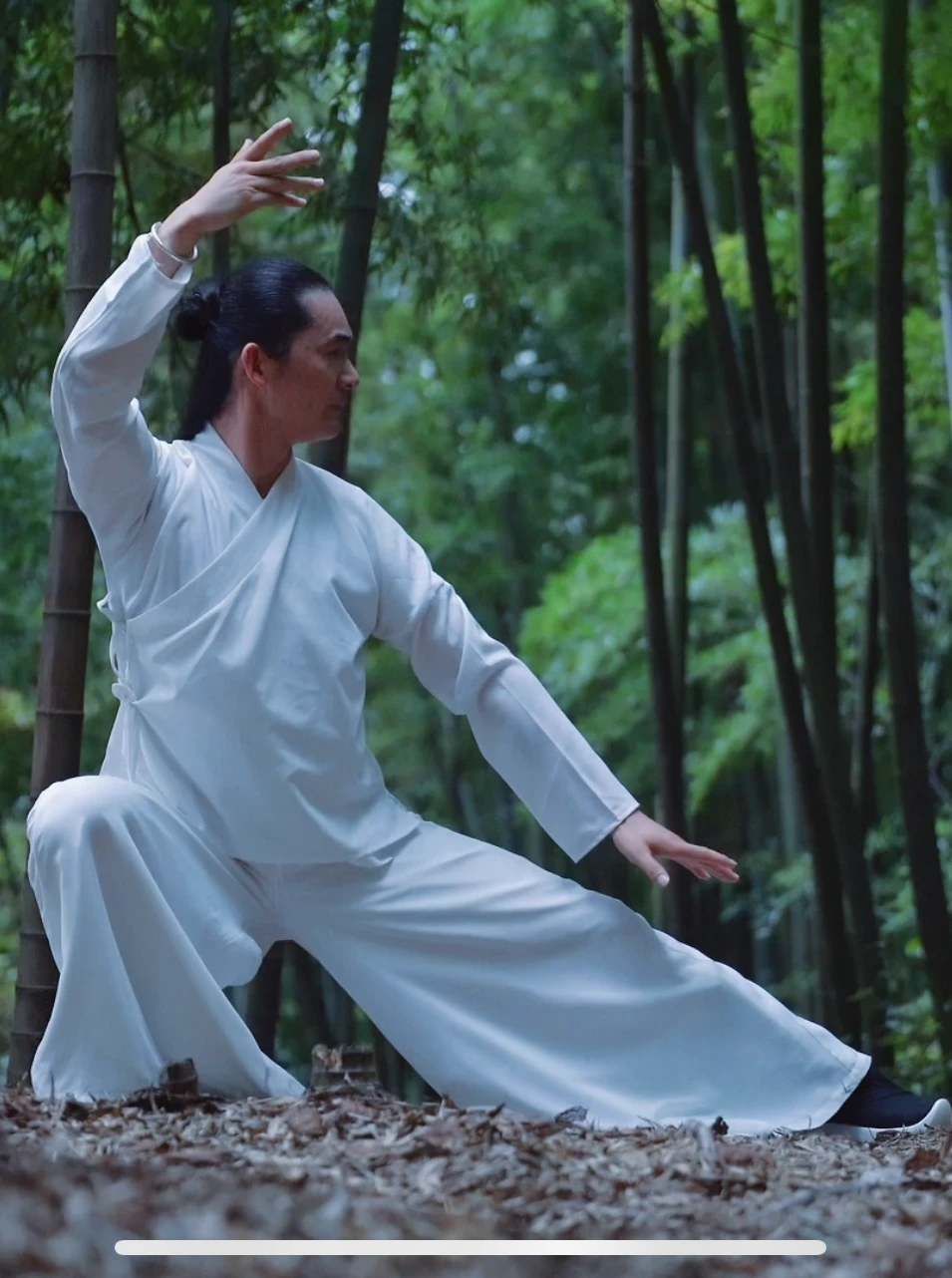
Belly Fat Is Hormonal, Not Just Caloric
This is where the comparison becomes more interesting.
Tai Chi’s Advantage: Cortisol Regulation
In my experience, people who struggle most with belly fat are often highly stressed, poor sleepers, or chronically overworked. This matters because elevated cortisol is strongly associated with visceral fat accumulation .
Tai Chi’s slow, rhythmic movement combined with regulated breathing shifts the nervous system toward parasympathetic dominance. Over time, this reduces baseline stress reactivity.
I’ve observed that students who plateau for years with walking or gym workouts often see changes only after adding Tai Chi — not because they move more, but because their bodies finally stop signaling “store fat.”
Yoga’s Strength: Muscular Tone and Metabolic Support
Yoga approaches belly fat from a different angle.
- Strong engagement of abdominal muscles
- Frequent isometric holds increase muscular endurance
- Building lean mass supports resting metabolic rate
Certain postures and sequences also support digestive efficiency and body awareness. However, unless paired with effective stress management, Yoga alone may not fully address cortisol-driven fat storage, especially in high-pressure lifestyles.
Static Holds vs. Continuous Flow: Why Movement Patterns Matter
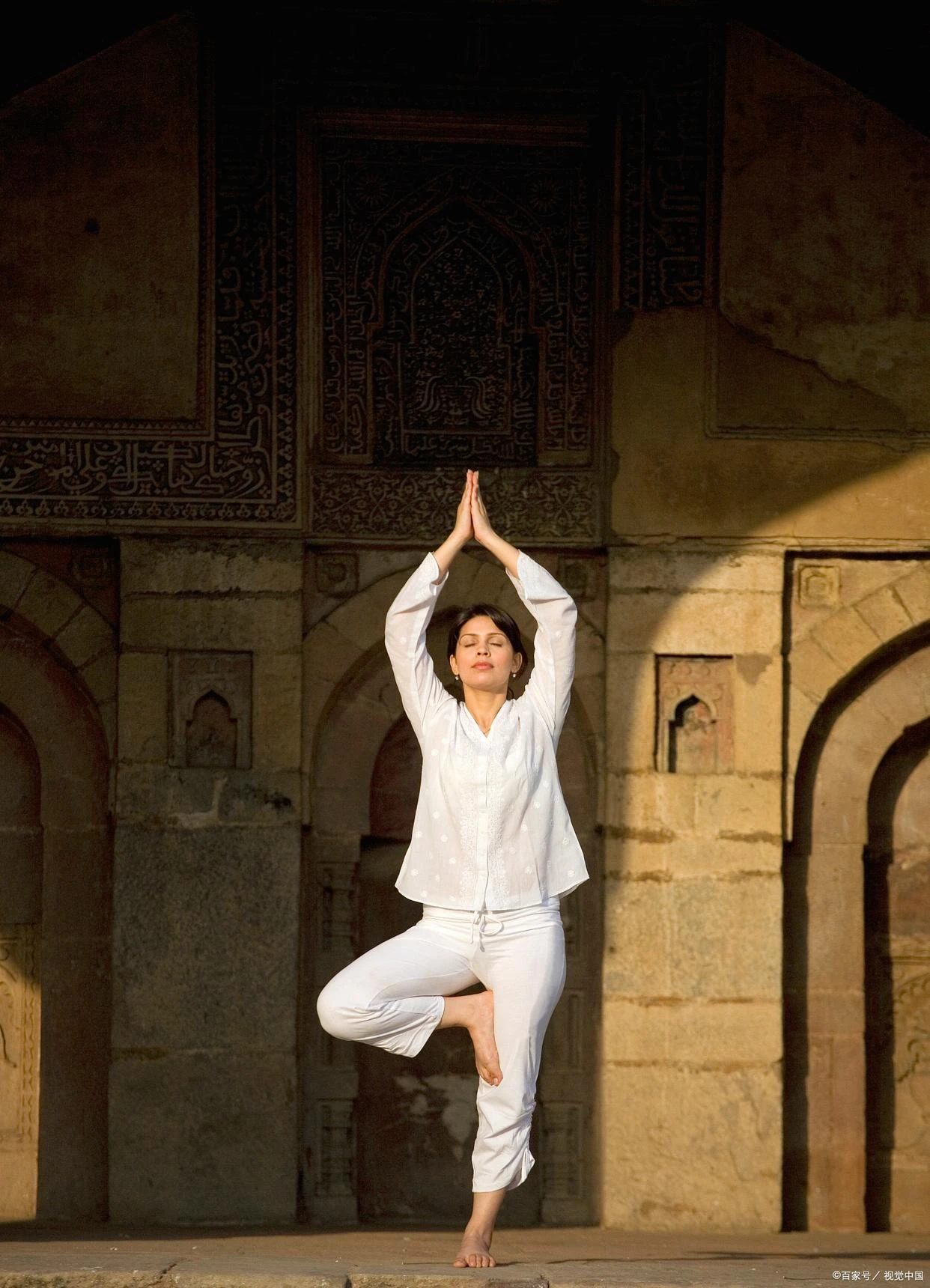
Yoga: Isometric Strength and Flexibility
Yoga excels at:
- Increasing flexibility
- Improving joint range of motion
- Building strength through static holds
Holding poses recruits muscles intensely but intermittently. This is excellent for strength and posture, but recovery demands can be high, especially for beginners or those already fatigued.
Tai Chi: Dynamic Stability and “Hidden Work”
Tai Chi emphasizes what I call continuous low-level loading.
- No full muscular rest during movement
- Constant engagement of hips, legs, and deep core
- Continuous balance correction
The “Cat Step,” also discussed in our Tai Chi walking guide, quietly activates stabilizing muscles for extended periods. This type of work rarely feels exhausting in the moment but accumulates meaningful metabolic cost over time.
Injury Risk, Adherence, and Long-Term Results
Weight loss is not about one perfect workout. It’s about what you can do consistently for years.
In my teaching practice:
- Yoga-related injuries most often involve wrists, shoulders, or lower back (from overloading static poses)
- Tai Chi injuries are rare and usually linked to poor instruction rather than the practice itself
Many students abandon intense Yoga styles due to pain or fatigue. Tai Chi’s low-impact nature allows people to practice daily, which often outweighs higher-intensity but inconsistent routines.
How to Choose: A Practical Decision Guide
Choose Tai Chi if you :
- Carry stress-related belly fat
- Have knee, hip, or back sensitivity
- Prefer flowing, meditative movement
- Want something you can practice daily without burnout
Choose Yoga if you :
- Enjoy deep stretching and static strength work
- Prefer higher-intensity options
- Want visible muscle tone improvements
My honest advice : try both. Give each practice at least two to three weeks. Pay attention not only to calories burned, but to sleep quality, appetite regulation, and how your body feels the next day.
Note for Older Adults: If your primary focus is balance, fall prevention, and joint safety rather than body composition, I recommend reading our dedicated guide on Yoga vs. Tai Chi for Seniors to find the safest starting point for your needs.
Final Perspective
In my experience, the question is not whether Tai Chi or Yoga is “better,” but which problem you are actually trying to solve . If your belly fat is driven by stress and fatigue, Tai Chi often addresses the root cause more directly.
If muscular tone and flexibility are your limiting factors, Yoga may play a stronger role.
For a deeper understanding of how Tai Chi reshapes body composition through movement mechanics and hormonal regulation, explore our main resource at Tai Chi Weight Loss Guide .
Frequently Asked Questions
- Can I combine Tai Chi and Yoga for better weight loss?
Yes. I often recommend Yoga for flexibility and strength, and Tai Chi for daily movement and nervous system regulation. Together, they complement each other exceptionally well.
- Which burns more calories: Yoga or Tai Chi?
It depends on the style. High-intensity Power Yoga burns more peak calories (400+/hr), but Tai Chi burns a consistent 280-300 calories/hr through continuous movement, which can be more sustainable for daily practice.
- Do I need equipment for either practice?
No. Both require minimal space and no special equipment, making them highly accessible.
About Our Expert Team
Master Mingde Chen
- 12th Generation Chen Style Tai Chi Inheritor
- Gold Medalist, International Tai Chi Championships (2018)
- 25+ years teaching experience, 3,000+ students
Dr. Jing Li
- PhD in Sports Science, Biomechanics
- Author of 8 peer-reviewed Tai Chi research papers
- Chief Technical Consultant, Wuji Taichi
References
Ross, A., & Thomas, S. (2010). The health benefits of yoga and exercise: A review of comparison studies. Journal of Alternative and Complementary Medicine, 16(1), 3–12. https://doi.org/10.1089/acm.2009.0044
Cramer, H., Lauche, R., Haller, H., & Dobos, G. (2014). A systematic review and meta-analysis of yoga for low back pain. Clinical Journal of Pain, 29(5), 450–460.
Pascoe, M. C., Thompson, D. R., Jenkins, Z. M., & Ski, C. F. (2017). Mindfulness mediates the physiological markers of stress: Systematic review and meta-analysis. Journal of Psychiatric Research, 95, 156–178.
Harvard Health Publishing. (2021). Yoga for weight loss: Benefits beyond burning calories.
Wayne, P. M., & Kaptchuk, T. J. (2008). Challenges inherent to Tai Chi research: Part I—Tai Chi as a complex multicomponent intervention. Journal of Alternative and Complementary Medicine, 14(1), 95–102.
⚠️ Not medical advice. This article is for educational purposes only. Always consult a qualified healthcare provider before starting any exercise or wellness program.
Master Mingde Chen
12th generation Chen-style inheritor with decades of teaching experience.
View all articles →