Tai Chi Walking vs Nordic vs Japanese Walking (2026 Comparison)
Key Takeaways
- Tai Chi walking, Nordic walking, and Japanese "Shinrin-yoku" (forest bathing) each improve health through distinct mechanisms
- Nordic walking uses poles to engage upper body — burns 20% more calories than regular walking but requires equipment
- Tai Chi walking trains whole-body coordination and balance simultaneously — the only form that addresses fall prevention directly
- Japanese forest bathing emphasizes sensory immersion in nature — combines well with Tai Chi walking for maximum stress reduction
Not all walking upgrades are created equal.
If your goal is:
- Longevity, balance, joint protection → Tai Chi Walking
- Maximum calorie burn with full-body engagement → Nordic Walking
- Fast cardiovascular improvement in 30 minutes → Japanese Interval Walking
These three systems represent three completely different training philosophies:
- Internal martial art lineage
- Functional aerobic conditioning
- Structured interval physiology
Below is the high-level comparison:
| Category | Tai Chi Walking | Nordic Walking | Japanese Walking |
|---|---|---|---|
| Origin | Internal martial art | Nordic ski training | Clinical interval research |
| Intensity | Low | Moderate–High | Moderate–High |
| Equipment | None | Poles required | None |
| Primary System | Nervous system & balance | Muscular & aerobic | Cardiometabolic |
| Joint Impact | Very low | Low | Moderate |
| Best For | Aging well | Fat loss | Efficiency |
Now let’s examine the science behind each method.
Where Each Method Fits in Exercise Science
Modern exercise physiology categorizes movement based on:
- Mechanical load
- Energy system usage
- Neurological demand
- Cardiometabolic adaptation
These three walking systems fall into different scientific domains.
Low-Impact Exercise & Joint Load
Low-impact exercise is especially relevant for:
- Osteoarthritis
- Hypertension
- Aging populations concerned about the Knee joint
Tai Chi Walking
Derived from Tai Chi , Tai Chi Walking minimizes:
- Ground reaction force
- Sudden deceleration
- Shear stress across the knee
The movement emphasizes:
- Slow center-of-mass transfer
- Vertical spinal alignment
- Controlled heel-to-toe articulation
Biomechanically, this reduces compressive forces and improves joint tracking.
For a full breakdown of mechanics and benefits, visit our complete guide to Tai Chi Walking .

Nordic Walking
Developed in Finland , Nordic Walking distributes load through poles.
This:
- Offloads the knees slightly
- Activates upper body musculature
- Increases stride length
Joint impact remains low, but intensity is higher than Tai Chi Walking.
Japanese Interval Walking
Developed at Shinshu University in Japan , this method alternates between moderate and brisk walking.
During the fast intervals:
- Impact increases
- Stride length increases
- Cardiovascular load spikes
It is still lower impact than jogging, but not as joint-protective as Tai Chi Walking.
If knee health is your main concern, read our medical analysis on Tai Chi Walking and knee safety .
Energy Systems & Cardiovascular Demand
To understand fat loss and endurance, we must look at energy systems.
The body primarily uses:
- Aerobic metabolism
- Anaerobic metabolism
Fitness improvements are often measured using VO2 max .
Tai Chi Walking – Aerobic Base & Fat Oxidation
Tai Chi Walking generally stays in:
- Zone 1–2 heart rate range
- Aerobic steady state
This promotes:
- Fat oxidation
- Improved heart rate variability
- Parasympathetic activation
Unlike interval training, it does not push toward the Anaerobic threshold .
It builds endurance quietly and sustainably.
Nordic Walking – Elevated Aerobic Conditioning
Nordic Walking:
- Raises heart rate 10–15% above normal walking
- Engages arms, back, shoulders, and core
This increases demand on the Cardiovascular system .
Research shows:
- Higher caloric expenditure (20–40% more than regular walking)
- Improved aerobic capacity
It sits between steady aerobic training and moderate conditioning.
Japanese Interval Walking – VO2 Max Upgrade
Japanese Interval Walking alternates:
- 3 minutes at 70–85% effort
- 3 minutes at recovery pace
Repeated five times.
This intermittent stress:
- Improves VO2 max
- Increases mitochondrial efficiency
- Enhances insulin sensitivity
It challenges the cardiovascular system more aggressively than the other two methods.
Nervous System & Stress Regulation
Most fitness articles ignore the nervous system.
But longevity science increasingly focuses on autonomic balance between:
- Sympathetic nervous system
- Parasympathetic nervous system
Tai Chi Walking – Parasympathetic Dominance
Because Tai Chi Walking integrates:
- Breath control
- Slow movement
- Intentional awareness
It overlaps with principles of Mindfulness .
This:
- Reduces cortisol
- Improves HRV
- Calms chronic stress
It is the only walking method here rooted in martial art internal training philosophy.
Nordic Walking – Balanced Activation
Nordic Walking increases sympathetic activation moderately due to:
- Muscle recruitment
- Arm propulsion
- Elevated pace
But without interval spikes.
It improves fitness without pushing maximal stress response.
Japanese Interval Walking – Sympathetic Spikes
During fast intervals:
- Heart rate peaks
- Adrenaline increases
- Oxygen demand rises
This drives adaptation.
But for individuals already under chronic stress, it may require careful recovery planning.
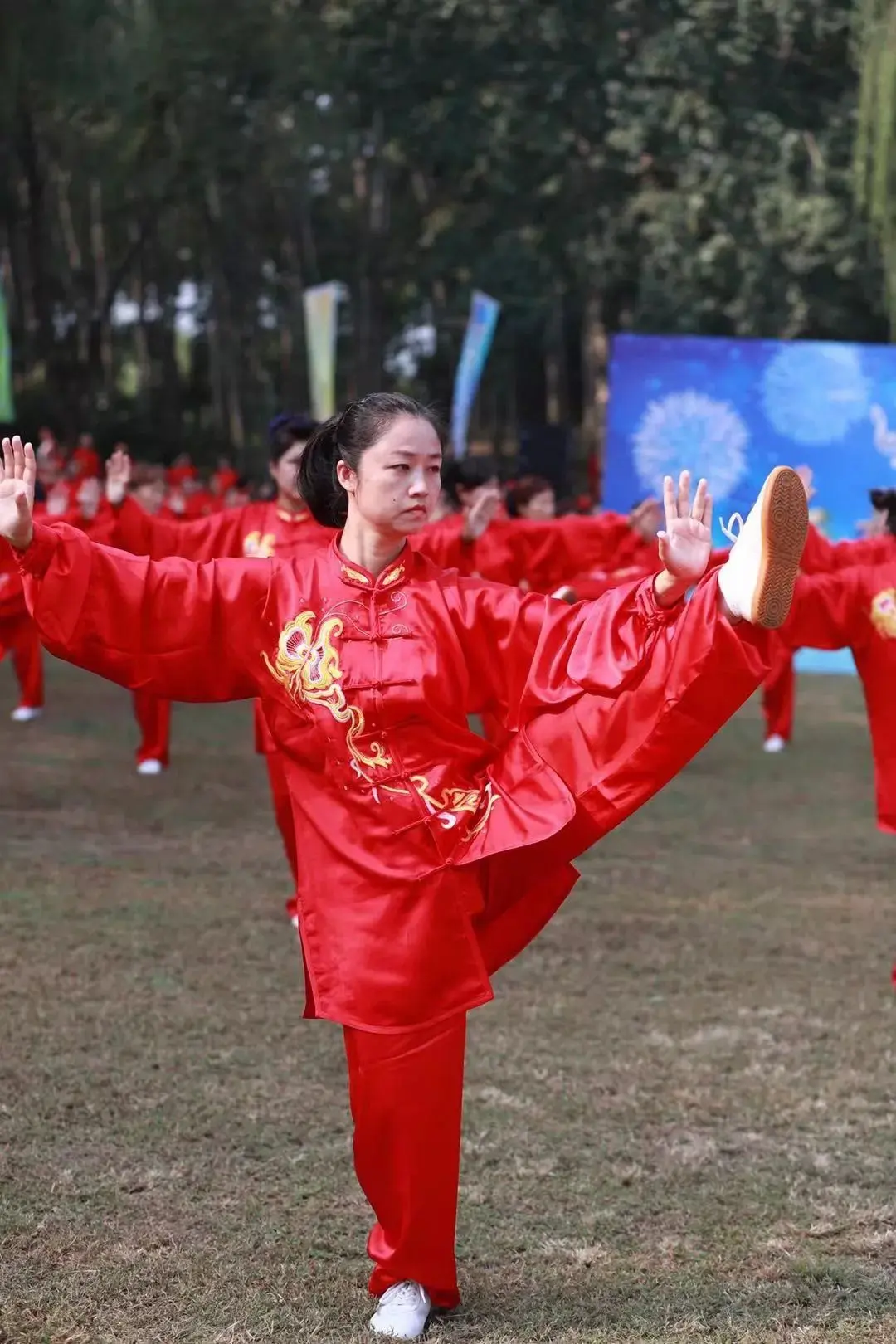
Biomechanics – How the Body Moves Differently
Movement mechanics define long-term sustainability.
Tai Chi Walking
- Short stride
- Controlled knee flexion
- Stable center-of-mass trajectory
- Foot placement precision
This enhances:
- Proprioception
- Balance
- Fall prevention
Nordic Walking
- Larger stride length
- Arm swing with pole planting
- Increased trunk rotation
More dynamic, more muscular engagement.
Japanese Walking
- Alternating cadence
- Increased push-off force during fast phase
- Variable center-of-mass velocity
Effective but more metabolically demanding.
Interim Insight
If we rank by:
Joint protection → Tai Chi Walking Calorie burn → Nordic Walking Cardiovascular efficiency → Japanese Walking
But longevity is not only about calories or VO2 max.
It is also about nervous system regulation, balance, and sustainability.
And that shifts the conversation.
Metabolic & Hormonal Effects — What Happens Inside the Body
Walking methods are often compared by calories burned. But metabolic health is far more complex.
We need to look at:
- Fat oxidation
- Insulin sensitivity
- Cortisol regulation
- Heart rate variability
- Mitochondrial adaptation
Each walking system stimulates these differently.
Tai Chi Walking — Metabolic Stability & Stress Reduction
Tai Chi Walking operates primarily in steady aerobic metabolism.
This promotes:
- Increased fat oxidation at lower intensities
- Stable blood glucose regulation
- Improved heart rate variability
Because it encourages parasympathetic dominance, it helps regulate:
- Chronic cortisol elevation
- Stress-driven fat storage
- Sleep disturbances
From a longevity perspective, this is powerful.
Chronic sympathetic overactivation (common in modern life) contributes to:
- Metabolic syndrome
- Central fat accumulation
- Cardiovascular risk
Tai Chi Walking indirectly improves metabolic health by calming the nervous system.
This makes it uniquely suited for:
- Burned-out professionals
- Individuals over 50
- People recovering from chronic stress
It is not the fastest fat-burning method — but it may be the most sustainable over decades.
For a deeper look at fat-burning mechanisms, see our full guide on Tai Chi Walking for weight loss .
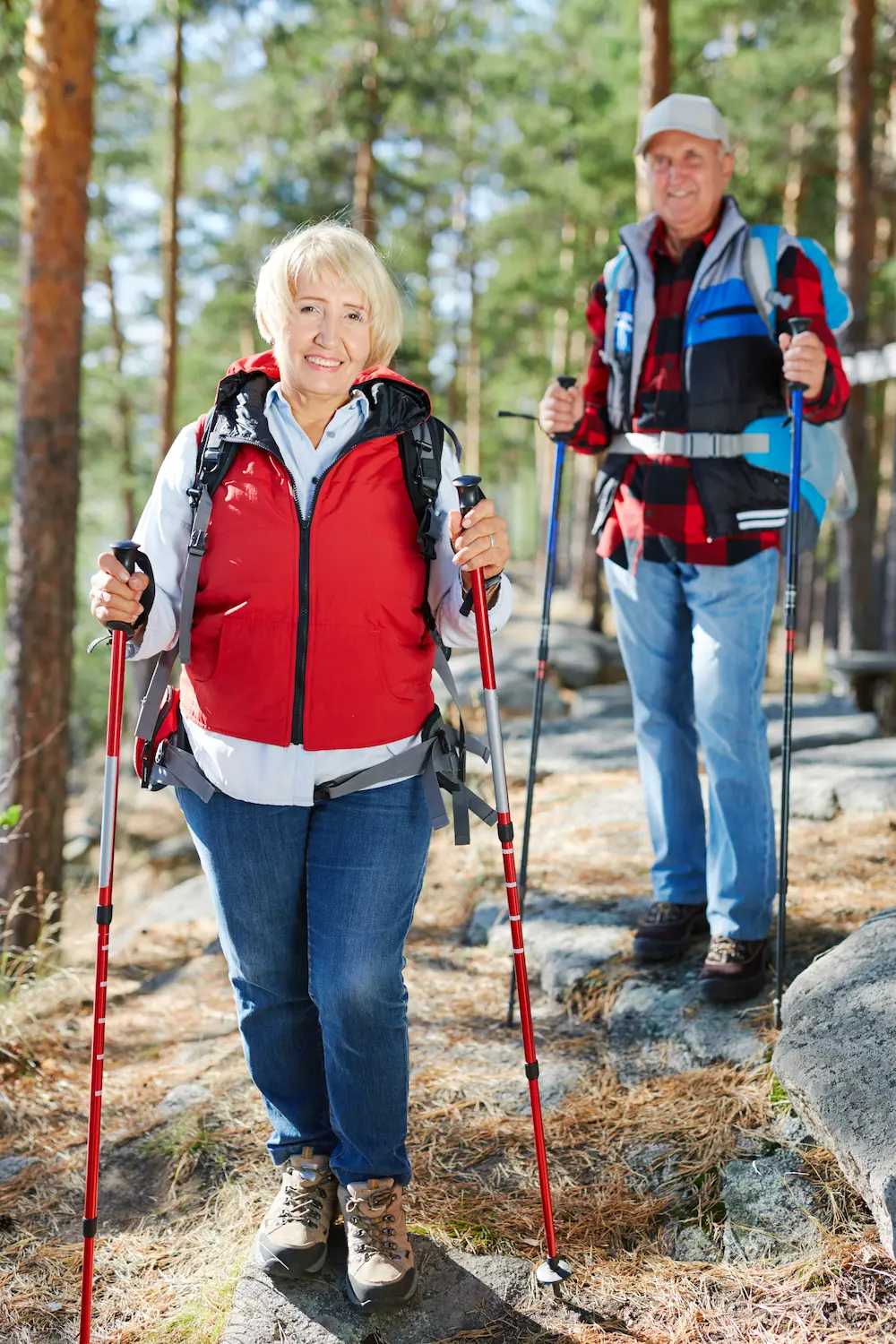
Nordic Walking — Higher Caloric Expenditure & Muscle Activation
Nordic Walking increases energy expenditure significantly compared to regular walking.
Because poles activate:
- Latissimus dorsi
- Deltoids
- Triceps
- Core stabilizers
This increases total muscular demand.
Higher muscle activation means:
- Greater glucose uptake
- Increased glycogen turnover
- Higher total caloric burn
For weight management, this is effective.
It also improves:
- Upper body strength (rare in walking forms)
- Functional posture
- Total work capacity
Metabolically, Nordic Walking is ideal for individuals who want:
- Visible fat loss
- Moderate conditioning
- Outdoor fitness training
However, it does not directly train nervous system downregulation the way Tai Chi Walking does.
Japanese Interval Walking — Insulin Sensitivity & VO2 Max Gains
Japanese Interval Walking stresses the body through repeated intensity spikes.
This leads to:
- Mitochondrial biogenesis
- Improved insulin sensitivity
- Increased VO2 max
Research originating from Shinshu University showed measurable improvements in aerobic capacity and metabolic markers.
During fast intervals:
- Glycogen utilization increases
- Lactate threshold improves
- Cardiovascular efficiency rises
This makes it powerful for:
- Pre-diabetic individuals
- Time-constrained professionals
- Fitness-oriented walkers
However, it is more demanding.
For individuals with:
- Joint instability
- Poor recovery capacity
- High stress load
It may require careful monitoring.
Longevity, Balance & Fall Prevention
When discussing long-term health, three factors dominate:
- Balance
- Muscle preservation
- Cardiovascular function
Falls remain a leading cause of injury in aging populations.
Tai Chi Walking — Proprioception & Stability
Tai Chi Walking trains:
- Controlled weight shift
- Slow eccentric muscle control
- Foot-ground awareness
Because it descends from Tai Chi , it emphasizes rootedness and alignment.
This improves:
- Proprioception
- Postural reflexes
- Lateral stability
It may be the strongest method here for:
- Fall prevention
- Neuromuscular coordination
- Aging gracefully
Unlike faster walking systems, it allows deep motor learning.
Prefer practicing at home? Start with our Tai Chi Indoor Walking guide .
Nordic Walking — Bone Density & Muscular Preservation
The additional load transmitted through poles may:
- Increase mechanical stimulus
- Support bone density
- Maintain muscle mass
For midlife adults concerned about:
- Sarcopenia
- Postural decline
Nordic Walking offers benefits.
However, balance training is indirect rather than primary.
Japanese Interval Walking — Cardiovascular Longevity
Cardiorespiratory fitness is strongly correlated with lifespan.
Improvements in VO2 max are associated with reduced mortality risk.
Japanese Interval Walking effectively improves:
- Aerobic capacity
- Blood pressure control
- Glucose regulation
It may be the most efficient cardiovascular longevity tool among the three.
But longevity is multi-dimensional.
Cardio fitness alone is not enough without joint preservation and balance.
Advanced Biomechanical Comparison
Let’s compare mechanical variables directly.
| Variable | Tai Chi Walking | Nordic Walking | Japanese Walking |
|---|---|---|---|
| Stride Length | Short | Moderate–Long | Variable |
| Ground Reaction Force | Minimal | Low | Moderate |
| Center of Mass Control | Highly controlled | Moderately controlled | Fluctuating |
| Upper Body Involvement | Minimal | High | Minimal |
| Joint Shear Stress | Very low | Low | Moderate |
From a biomechanics standpoint:
- Tai Chi Walking is optimized for precision and joint preservation.
- Nordic Walking is optimized for muscular engagement and work output.
- Japanese Walking is optimized for cardiovascular challenge.
Who Should Choose Which Method?
The best method depends on your goal, stress level, and life stage.
Choose Tai Chi Walking If You:
- Are over 55
- Want joint longevity
- Value nervous system regulation
- Prefer meditative movement
- Seek sustainable lifelong practice
It uniquely integrates:
- Mindfulness
- Biomechanics
- Martial arts lineage
Older adults can explore our detailed Tai Chi Walking for Seniors balance guide .
Choose Nordic Walking If You:
- Want higher calorie burn
- Enjoy outdoor gear
- Need upper body activation
- Prefer moderate intensity
It bridges walking and functional fitness.
Choose Japanese Interval Walking If You:
- Have only 30 minutes
- Want measurable VO2 max gains
- Prefer structured intervals
- Enjoy performance metrics
It is efficient and results-driven.
Other Emerging Walking Trends (2026 Context)
The walking renaissance continues.
New adaptations include:
- Rucking
- 12-3-30
- Shinrin-yoku
Each modifies walking through:
- Load
- Incline
- Environmental immersion
But among all variations, Tai Chi Walking remains the only one rooted in centuries-old internal training philosophy.
Final Perspective — The Real Question
The real question is not:
Which walking method burns the most calories?
It is:
Which method can you practice for the next 20 years?
If your goal is:
- Sustainable longevity
- Balance preservation
- Nervous system health
- Joint integrity
Tai Chi Walking offers a uniquely comprehensive foundation.
If your goal is:
- Fat loss intensity → Nordic Walking
- Cardiovascular efficiency → Japanese Interval Walking
All three are superior to sedentary living.
But only one integrates biomechanics, breath, nervous system regulation, and martial arts lineage into a unified lifelong practice.
Compared to yoga or Pilates, Tai Chi Walking is a dynamic movement practice rather than a static or mat-based one. It offers comparable mindfulness benefits with the additional advantage of training real-world gait patterns and joint loading mechanics — making it more directly applicable to daily movement and fall prevention.
Explore the Complete Tai Chi Walking System
- → The Complete Tai Chi Walking Guide
- → Tai Chi Walking for Weight Loss
- → Tai Chi Walking for Seniors
- → Tai Chi Walking Knee Health
- → Tai Chi Indoor Walking
- → Tai Chi Walking for Beginners
Frequently Asked Questions
- Is Tai Chi Walking a martial art?
It originates from the stepping methods of Tai Chi but is practiced today primarily as a health and longevity exercise.
- Does Nordic Walking burn more calories than normal walking?
Yes. Due to upper body engagement and pole propulsion, energy expenditure increases significantly.
- Is Japanese Walking better for fat loss?
It may improve insulin sensitivity and aerobic capacity more rapidly, but long-term adherence and joint health must be considered.
- Which walking method is safest for knees?
Tai Chi Walking generally produces the lowest joint impact and highest control over knee alignment.
- What is Japanese Interval Walking?
Japanese Interval Walking (IWT) was developed by Shinshu University researchers. It alternates 3 minutes of brisk walking at 70-85% effort with 3 minutes of slow recovery walking, repeated five times for a 30-minute session. Clinical trials show it improves aerobic capacity by 15-29% and enhances insulin sensitivity.
- Can you combine Tai Chi Walking with Nordic or Japanese Walking?
Yes. Many practitioners use Tai Chi Walking as a daily foundation for joint health and nervous system regulation, while incorporating Nordic or Japanese Walking 2-3 times per week for cardiovascular conditioning.
Master Mingde Chen
12th generation Chen-style inheritor with decades of teaching experience.
View all articles →