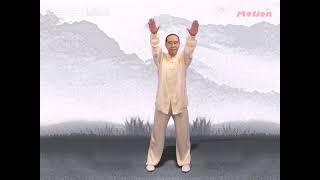
Wu Qin Xi (Five Animal Frolics) Qigong: A Complete Demonstration for Beginners
Explore QigongComplete Wu Qin Xi (Five Animal Frolics) Qigong demonstration for beginners. Learn the tiger, deer, bear, monkey, and crane movements for health and vitality.
Key Takeaways
- Wu Qin Xi imitates five animals to promote health and flexibility
- Each animal movement targets different organs and meridians
Key Concepts
Related Questions
Is Tai Chi good for weight loss?
Yes. Tai Chi Walking burns 280–350 kcal/hour with zero joint impact. Combined with whole-body engagement and mindful movement, regular practice supports healthy weight management.
Can I learn Tai Chi by myself?
Yes, especially for beginners. Start with foundational practices like Wuji stance and Tai Chi Walking. For deeper work, consider finding a qualified teacher.
What is the best time of day to practice Tai Chi?
Morning practice is traditional. However, the best time is whatever time you can consistently practice. Research shows that regular practice at any time provides significant health benefits.
Is Tai Chi scientifically proven to have health benefits?
Yes. Over 210 peer-reviewed studies have examined Tai Chi's effects. Strong evidence supports benefits for balance and fall prevention, anxiety reduction, sleep quality, chronic pain management, and cardiovascular health.
How long does it take to learn Tai Chi basics?
Most beginners feel the basic principles within 4 to 6 weeks of consistent practice. You can learn the fundamental movements like Wuji standing and Tai Chi Walking in your first session, but building stability, coordination, and relaxed structure takes a few weeks of regular practice.
How long before I start feeling the benefits of Tai Chi?
Most beginners notice improvements in balance, posture, and relaxation within 4 to 6 weeks. Sleep quality and stress levels often improve within the first month of consistent practice. The key is regularity — short daily sessions produce faster results than occasional long sessions.
Can I learn Tai Chi by myself at home?
Yes, especially for beginners. Tai Chi for beginners at home is completely achievable — start with Wuji stance and Tai Chi Walking. No equipment is needed beyond comfortable clothes and a small practice space. For deeper refinement later, a qualified teacher can help, but self-guided practice works well for starting out.
Is Tai Chi suitable if I have bad knees or arthritis?
Yes, Tai Chi for arthritis and knee pain is widely recommended by health organizations including the CDC. The movements are low-impact and can be adapted — for example, using a seated or chair-based version. Always keep your knees aligned with your toes and avoid deep stances if you feel discomfort.
How often should beginners practice Tai Chi?
3 to 5 times per week is ideal for most beginners. Sessions can be as short as 5 to 15 minutes. Consistency matters more than duration — a short daily practice builds the body awareness and muscle memory that make Tai Chi effective.
Do I need to memorize a long form to get benefits?
Not at all. Many of the health benefits of Tai Chi — better balance, reduced stress, improved mobility — come from simple foundational practices like Wuji standing, relaxed breathing, and weight-shifting exercises. A long form is optional and can come later if you choose.
How much space do I need to practice Tai Chi at home?
About 1.5 to 2 square meters (roughly 5 by 7 feet) is enough for most beginner exercises. You need enough room to step forward, backward, and to the side without obstruction. A flat, non-slip surface is ideal.
What is the best time of day to practice Tai Chi?
Any time you can be consistent. Morning practice is traditional for awakening the body gently. Midday sessions work well for office workers needing a movement break, and evening practice can help with relaxation and Tai Chi for sleep quality.
What should I wear for Tai Chi practice?
Loose, comfortable clothing that allows free movement of your arms and legs. Flat, thin-soled shoes or bare feet work best — avoid thick cushioned running shoes that reduce ground feel. No special uniform is required.
Do I need a teacher or can I learn from videos?
Videos and online guides are excellent for getting started with Tai Chi — you can learn the basic movements and principles at your own pace. A teacher becomes more valuable when you want detailed feedback on alignment, structure, and internal coordination.
Is Tai Chi enough exercise on its own?
For general health and mobility, yes. Tai Chi improves balance, flexibility, lower-body strength, and cardiovascular fitness. It is classified as moderate-intensity exercise. Many practitioners find it sufficient when combined with daily walking or other light activity.
What is the difference between Tai Chi and Qigong?
Tai Chi is a martial art with structured forms and weight-shifting movement. Qigong is a broader practice focused on energy cultivation through simpler, often stationary exercises. Both complement each other, and many beginners benefit from starting with both.
How do I know if I am doing Tai Chi correctly?
You are likely doing it correctly if you feel more stable, your breathing is calm, and your body feels less tense after practice. Correct Tai Chi should not cause joint pain or breathlessness. If a movement feels strained, reduce your range of motion.
What is the best tai chi style for beginners?
For most beginners, Yang Style is the most accessible entry point — its large, slow, open movements make it easier to learn basic principles without complex coordination. Chen Style offers a more traditional path with alternating slow and explosive movement. Sun Style provides compact, joint-friendly forms. The "best" style is the one you will practice consistently. See the full style comparison in the Tai Chi Styles for Beginners section on this page.
Does 7 minutes of tai chi really work?
Yes — a focused 7-minute session delivers real benefits, especially for beginners. The 7-minute routine on this page covers standing, breathing, and four basic movements. Research shows that short daily practice builds the neural pathways for balance and body awareness faster than occasional long sessions. Consistency matters more than duration — a daily 7-minute practice produces better results than a 60-minute session once a week.
What are common tai chi mistakes?
The most common mistakes beginners make are: starting with a long form too early, trying to imitate the appearance of Tai Chi instead of feeling the internal structure, forcing the breath, and switching methods too often. Internal practice rewards depth of repetition, not novelty. See the full breakdown in the Common Beginner Mistakes section on this page.
Which is better for seniors, yoga or tai chi?
Both are excellent, but they serve different needs. Tai Chi is generally better for seniors focused on balance and fall prevention — it emphasizes dynamic weight shifting and walking-based movement. Yoga is better for flexibility and static stretching. Tai Chi’s constant gentle motion also tends to be more joint-friendly for those with knee arthritis or osteoporosis. Many seniors benefit from doing both.
What happens if you do tai chi every day?
Daily Tai Chi practice produces compounding benefits. Within the first month, most practitioners notice better posture, calmer breathing, and reduced shoulder tension. By 3 months, balance and leg strength improve noticeably. After 6 months of daily practice, studies report significant reductions in fall risk, improved sleep quality, and better emotional regulation. Even 7–10 minutes daily is more effective than hour-long sessions twice a week.