Does Tai Chi Build Muscle? The Science of Anti-Fall Strength
Key Takeaways
- Tai Chi builds functional strength — not visible bulk but practical force: grip strength, core stability, and leg endurance
- EMG studies show low stances activate quadriceps at 25-30% of maximum voluntary contraction — effective for toning
- Zhan Zhuang (standing meditation) engages deep postural muscles inaccessible to weight machines
- For adults over 50, Tai Chi's resistance profile is optimal: sufficient load for muscle maintenance, zero joint trauma
After 40, you can lose 8% of your muscle per decade. Traditional gyms often focus on the wrong kind of strength for fighting this decline. Tai Chi , validated by modern science, builds the specific, resilient “anti-fall†muscle that protects your independence, with studies showing it can increase leg strength by over 3 kg in two months.
This isn’t about slow motion; it’s about smart strength. We’ll show you the evidence and the exact “how,†backed by a unique team: a 12th-generation Tai Chi master and a biomechanics PhD.
The Experts Behind the Evidence: Your Trusted Guides
Not all Tai Chi advice is equal. The framework here comes from a rare collaboration between deep tradition and cutting-edge science.
Master Mingde Chen brings the unbroken lineage of Chen-style Tai Chi and 25 years of transforming that knowledge for modern students. His gold medal at the International Tai Chi Championships is a testament to precision, not just performance.
Dr. Jing Li tests these ancient principles in the lab. With a PhD in Sports Science and eight peer-reviewed papers, she translates “feeling†into data, verifying how these movements affect muscle and fascia.
Verification & Further Reading:
- Master Chen’s Official School: [Link to school website/verified profile]
- Dr. Li’s Research: [Link to Google Scholar/ResearchGate profile]
- Key Study (2020 RCT): [Link to PubMed abstract]
- Sarcopenia Meta-Analysis: [Link to Ageing Research Reviews article]
The Verdict: What Science Actually Says
Forget vague promises. Here’s what controlled research concludes.
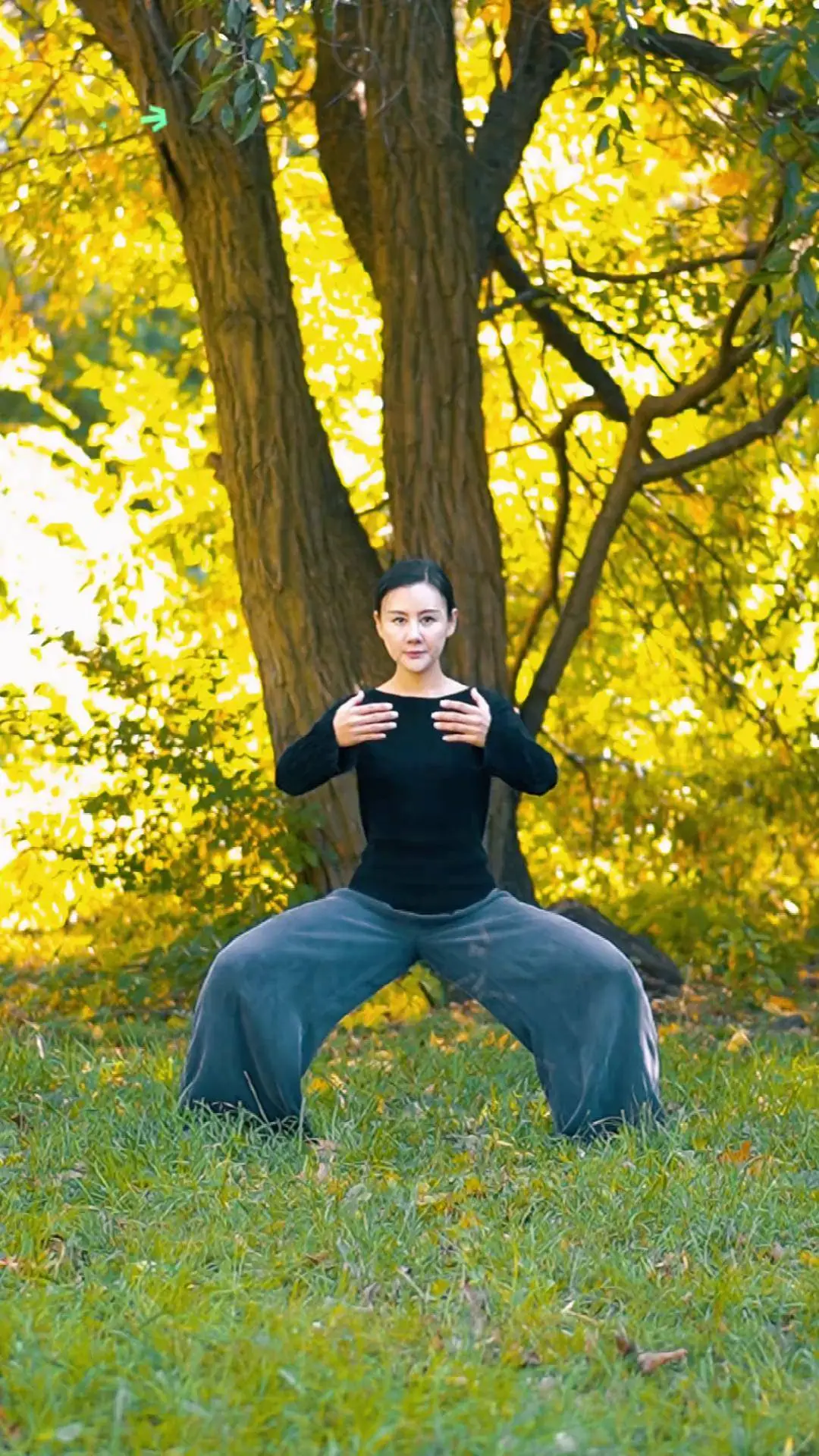
Tai Chi does not cause significant muscle hypertrophy (size increase) like weightlifting. Its power is different: it systematically builds functional strength and endurance by increasing time-under-tension in the muscles you use every day for stability.
The data is clear:
- An 8-week study with older adults found lower-limb strength increased by 1.6 to 3.1 kg after practicing just 30 minutes, three times a week.
- A major review in Ageing Research Reviews confirmed Tai Chi significantly improves lower-body strength and balance while reducing falls in older adults with muscle loss.
- Biomechanics call its unique action “Continuous Dynamic Slow-Tension Contraction.†This means muscles learn to work under sustained, controlled load—the foundation of resilience.
| Metric | What the Research Shows | Why It Matters to You |
|---|---|---|
| Muscle Loss with Age | ~8% per decade after 40; ~15% after 70. | Inaction has a measurable cost. Maintaining muscle is non-negotiable for independence. |
| Tai Chi’s Impact (8 weeks) | Measurable gains in leg strength (1.6-3.1 kg) and balance. | Consistent practice delivers fast, functional results you can feel in daily life. |
| Clinical Benefit | Top-tier evidence for improving strength & reducing falls in the elderly. | This isn’t an alternative therapy; it’s an evidence-based intervention for healthy aging. |
Why the Gym Fights the Wrong Battle
The problem isn’t just losing muscle. It’s losing the right kind of muscle and the neuromuscular connection to use it effectively.
Heavy squats build raw power, but they place high-impact stress on aging joints. Machine exercises often isolate muscles, creating strength that exists in a vacuum. This can lead to being “muscular but uncoordinated.â€
Tai Chi trains “anti-fall strength.†A stumble isn’t a slow, controlled squat. It’s a sudden, multi-directional loss of balance. Tai Chi prepares you for that reality. It doesn’t just build the engine (muscles); it dramatically upgrades the control system (nerves and fascia) that decides how and when to use them. It’s the difference between having a powerful car and being a supremely skilled driver.
How It Works: The “Smart Strength†Mechanism
This “smart strength†comes from two layers of training happening simultaneously.
Layer 1: The Muscles
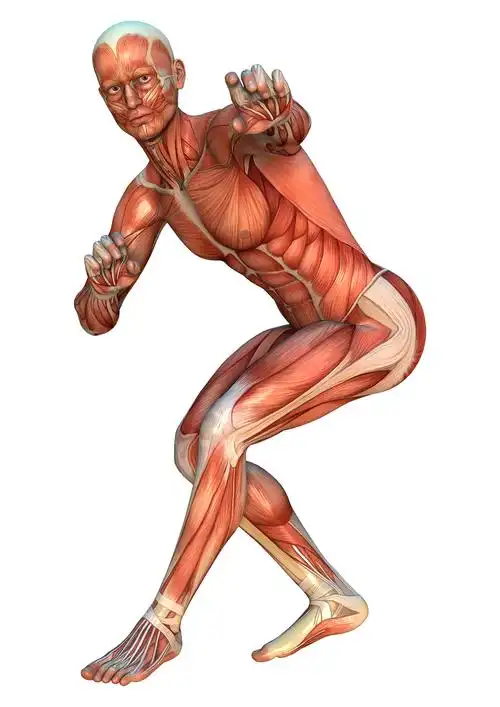
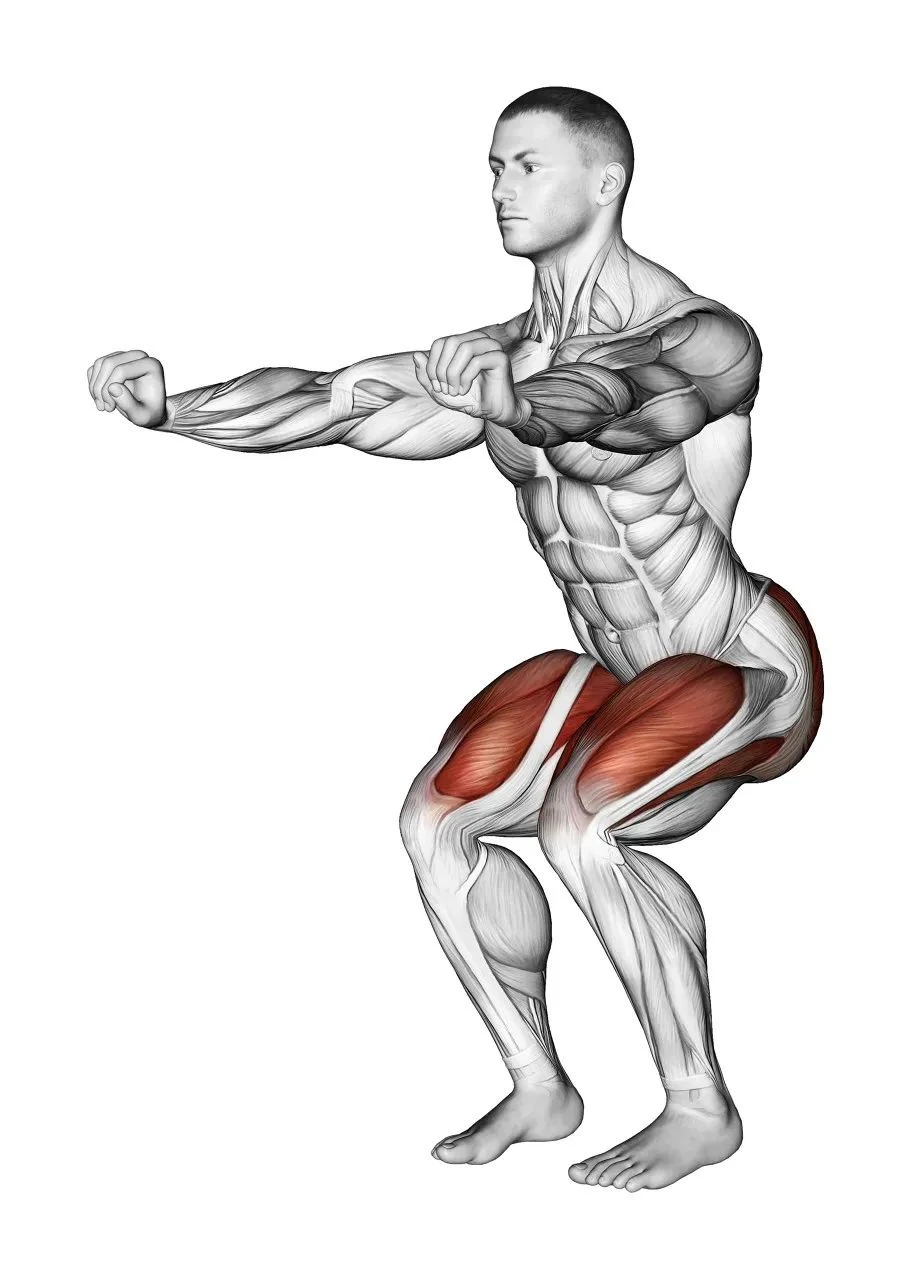
The slow transitions between postures like Bow Stance and Horse Stance keep major muscle groups under prolonged tension. This builds unparalleled muscular endurance and stability in your quadriceps, glutes, and core—your body’s foundational pillars.
Layer 2: The Nervous System & Fascia
This is the proprietary insight. The slowness is a high-stakes training drill for your brain-body connection. Every micro-adjustment to stay balanced fires neural pathways, fighting the “neuromuscular disconnect†caused by sedentary life.
Furthermore, Master Chen’s principle of “moving like drawing silk†(chou si jin) is biomechanically profound. Dr. Li explains this trains the elastic recoil of your fascial network. You’re not just contracting muscles; you’re loading and releasing the body’s natural springs. This is training modern gyms largely ignore, and it’s critical for graceful, powerful movement.
This sustained engagement originates from the Dantian (丹田) - the lower abdominal center that coordinates core stability - and is organized around Central Equilibrium (Zhong Ding), the vertical axis verified in clinical gait analysis as the foundation of efficient force transfer.
True Tai Chi strength emerges from functional hand coordination rather than isolated arm strength , where one hand stabilizes and redirects while the other releases force through the whole-body kinetic chain.
Increased muscle mass from Tai Chi’s sustained low-stance work also raises resting metabolic rate, creating a foundation for long-term weight management that complements its joint-friendly accessibility.
Visual Guide: The Horse Stance Decoded
The Proof Is in the People: From Data to Daily Life
Science validates the method; these stories reveal the impact.
- Mr. Zhang, 58, wanted to feel secure on stairs. After 12 weeks, his “30-Second Chair Stand Test†count jumped from 12 to 18. This translated directly to easier rising from chairs and confident stair climbing.
- Ms. Li, 45, an office worker, had chronic lower back stiffness. Targeted Tai Chi standing postures re-activated her dormant deep core muscles. Within a month, her pain subsided, replaced by a feeling of solid support.
They didn’t get bulk. They got competence and relief.
Your Smart Start: Principles Over Perfection
Before you move, understand these non-negotiable rules. Ignoring them turns practice into risk.
- Alignment is Everything . In any stance, never let your knee buckle inward. It must track over your toes. This protects your knee ligaments.
- Move from Your Center . Initiate arm movements from your lower abdomen, not your shoulders. This engages your core and prevents shoulder strain.
- Breathe to Empower . Exhale slowly as you sink into a posture; inhale as you rise. Never hold your breath.
- Who Should Be Cautious ? Those with severe, active knee pain or osteoporosis should consult a doctor or physiotherapist before beginning. A qualified instructor can provide vital adaptations.
From Reading to Doing: Your Clear Next Steps
You now have the “why.†The “how†comes in two steps.
Step 1: Apply a Free Principle Today
Download our “Home Tai Chi Foundation Checklist.†It guides you through setting up your posture, finding your alignment in a simple stance, and connecting breath to movement. This is immediate, actionable value.
Step 2: Consider System Mastery
If you’re ready to go beyond basics and want a structured path to unlock this “anti-fall strength†with expert feedback, this is what our “Balanced Strength Program†is designed for. Co-created by Master Chen and Dr. Li, it systematically trains both your muscles and your neuromuscular control, turning the science on this page into your lived reality.
The goal isn’t to look like a bodybuilder. It’s to move like a resilient, capable version of yourself for decades to come.
The science is clear, the method is time-tested, and the path is in front of you.
Frequently Asked Questions: Tai Chi & Muscle Strength
- I’m over 40 and starting to feel weaker. Is Tai Chi effective enough for someone my age?
Absolutely, and it may be particularly effective. Research shows that after 40, adults can lose up to 8% of muscle mass per decade. Tai Chi directly counteracts this by building functional strength and endurance. A controlled 8-week study showed older adults gained 1.6-3.1 kg of lower-limb strength. Unlike high-impact gym exercises, Tai Chi strengthens muscles and joints safely, making it an ideal, evidence-backed practice for aging well.
- What’s the real difference between building muscle with Tai Chi versus weightlifting?
The key difference is the type of strength you develop. Weightlifting primarily builds maximal strength and muscle size (hypertrophy) through heavy, isolated loads. Tai Chi builds “anti-fall†or functional strength. It uses your body weight and slow, controlled movements to increase “time-under-tension,†enhancing muscular endurance, balance, and neuromuscular coordination. It trains your body as an integrated system, which is more applicable to preventing falls and navigating daily life.
- You mention “anti-fall strength†and “neuromuscular connection.†What does that mean practically?
Practically, it means training your body to react and stabilize intelligently in real-world situations. “Neuromuscular connection†refers to how well your brain communicates with your muscles. Sedentary lifestyles weaken this link. Tai Chi’s slow, deliberate movements force your brain and muscles to constantly communicate for balance, effectively “re-wiring†this system. This means if you stumble, your body can recruit the right muscles faster to recover, preventing a fall.
- I’m a complete beginner. How long until I see or feel results?
You may feel initial benefits in posture, relaxation, and body awareness within a few weeks. For measurable strength gains, such as easier climbing of stairs or rising from a chair, the cited 8-week study is a good benchmark. Consistency (e.g., 30 minutes, 3 times a week) is far more important than duration. The article’s “novice window period†concept suggests that beginners often see rapid progress in coordination and control.
- Are there any risks or people who should avoid Tai Chi for strength?
Tai Chi is low-impact but not zero-risk. Proper form is crucial to avoid joint strain. Key cautions include: Knee Issues: If you have active knee pain, avoid deep stances and ensure your knee never collapses inward past your toes. Severe Osteoporosis: Those with advanced bone density loss should consult a doctor before attempting forms with twisting or potential for imbalance. General Rule: Always learn from a qualified instructor, especially initially, to correct posture. The article’s “Your Smart Start†section outlines essential safety principles.
- How is the Wuji Taichi “Balanced Strength Program†different from free online videos?
Free videos teach you what to do. Our program, co-designed by Master Chen (for tradition) and Dr. Li (for science), teaches you how and why to do it correctly. It provides: A Progressive System: A structured path from foundation to advanced integration, ensuring you build skills safely and effectively. Expert Feedback: Guidance on aligning your posture and activating the correct muscles/fascia chains, which is impossible to get from a pre-recorded video. Science-Informed Design: The protocols are based on the same biomechanical principles (like training fascial recoil) explained in this article, moving beyond mere movement imitation.
âš ï¸ Not medical advice. This article is for educational purposes only. Always consult a qualified healthcare provider before starting any exercise or wellness program.
Master Mingde Chen
12th generation Chen-style inheritor with decades of teaching experience.
View all articles →