Learn Tai Chi walking technique with step-by-step guidance — a low-impact walking practice rooted in Tai Chi principles for balance, knee health, and mindful movement.
Key Takeaways
- Tai Chi Walking transforms ordinary walking into a mindfulness practice
- The 'Cat Step' technique protects knees and builds lower body strength
- Walking practice burns approximately 280 calories per hour
- Regular practice improves balance, reducing fall risk in seniors
Referenced In
Key Concepts
Related Questions
Is Tai Chi good for weight loss?
Yes. Tai Chi Walking burns 280–350 kcal/hour with zero joint impact. Combined with whole-body engagement and mindful movement, regular practice supports healthy weight management.
Is Tai Chi good for weight loss?
Tai Chi can support weight loss, especially when practiced regularly. Tai Chi Walking burns 280–350 kcal per hour with zero joint impact. When combined with mindful movement and whole-body engagement, consistent practice contributes to healthy weight management over time.
Is Tai Chi suitable if I have bad knees or arthritis?
Yes, Tai Chi for arthritis and knee pain is widely recommended by health organizations including the CDC. The movements are low-impact and can be adapted — for example, using a seated or chair-based version. Always keep your knees aligned with your toes and avoid deep stances if you feel discomfort.
Do I need to memorize a long form to get benefits?
Not at all. Many of the health benefits of Tai Chi — better balance, reduced stress, improved mobility — come from simple foundational practices like Wuji standing, relaxed breathing, and weight-shifting exercises. A long form is optional and can come later if you choose.
Is Tai Chi safe for seniors and older adults?
Yes, Tai Chi for seniors is one of the safest forms of exercise. It is low-impact, requires no jumping or sudden movements, and can be modified to chair-based or wall-supported practice. Research shows it reduces fall risk by improving balance and leg strength.
Is Tai Chi enough exercise on its own?
For general health and mobility, yes. Tai Chi improves balance, flexibility, lower-body strength, and cardiovascular fitness. It is classified as moderate-intensity exercise. Many practitioners find it sufficient when combined with daily walking or other light activity.
Is tai chi ok if you have osteoporosis?
Yes — with precautions. Tai Chi is often recommended for osteoporosis because it improves balance and reduces fall risk (and therefore fracture risk). However, avoid deep spinal twisting, forward bends from the waist, or explosive movements. Chair-based or wall-supported practice is an excellent starting point. Always consult your doctor before beginning any new exercise program with osteoporosis.
Which is better for seniors, yoga or tai chi?
Both are excellent, but they serve different needs. Tai Chi is generally better for seniors focused on balance and fall prevention — it emphasizes dynamic weight shifting and walking-based movement. Yoga is better for flexibility and static stretching. Tai Chi’s constant gentle motion also tends to be more joint-friendly for those with knee arthritis or osteoporosis. Many seniors benefit from doing both.
More Videos
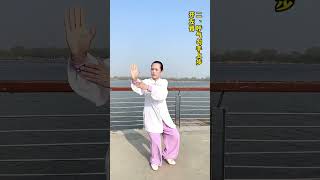
24-Step Simplified Tai Chi Form Tutorial
16-Form Tai Chi Step by Step Tutorial
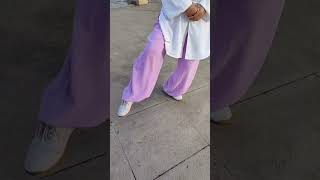
How to Do Tai Chi Stepping (Tai Chi Bu) | Beginner Footwork Tutorial
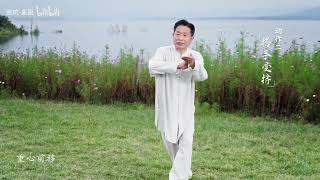
Tai Chi for Beginners: Forward Stepping - Chen Style

Tai Chi for Beginners: Left Heel Kick - Chen Style

Tai Chi for Beginners: Oblique Walking - Chen Style
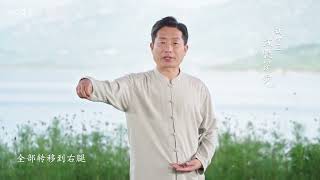
Tai Chi for Beginners: Single Whip - Chen Style