Tai Chi Glossary > Tongbei Quan / 通背拳
Tongbei Quan (通背拳)
Definition: Tongbei Quan, often translated as Through-the-Back Fist, is a Chinese martial art known for long-range, swinging, whip-like strikes generated through the back, spine, shoulders, and relaxed arm release rather than isolated arm strength.
What is Tongbei Quan?
Let’s cut to the chase: Tongbei Quan (Through-Back Fist) isn’t your typical martial art. It’s fast, explosive, and designed for real-world impact. Originating in China, this system mimics the swift, flexible movements of an ape—long arms, quick reflexes, and unpredictable strikes. Think of it as “nature’s whip” – using the entire body like a coiled spring to generate power from a distance. Part of our Traditional Chinese Martial Arts series. Explore the full system: The 18 Arms of Wushu .
“It’s not about muscle. It’s about mechanics. Tongbei teaches you to strike like a cracking whip—fast, crisp, and devastatingly efficient.” – Traditional saying among Tongbei masters
But here’s the twist: Tongbei isn’t just about fighting. It’s a complete system blending combat, health, and mental focus.
In 2014, it was recognized as Chinese National Intangible Cultural Heritage – a testament to its deep cultural roots and lasting relevance.
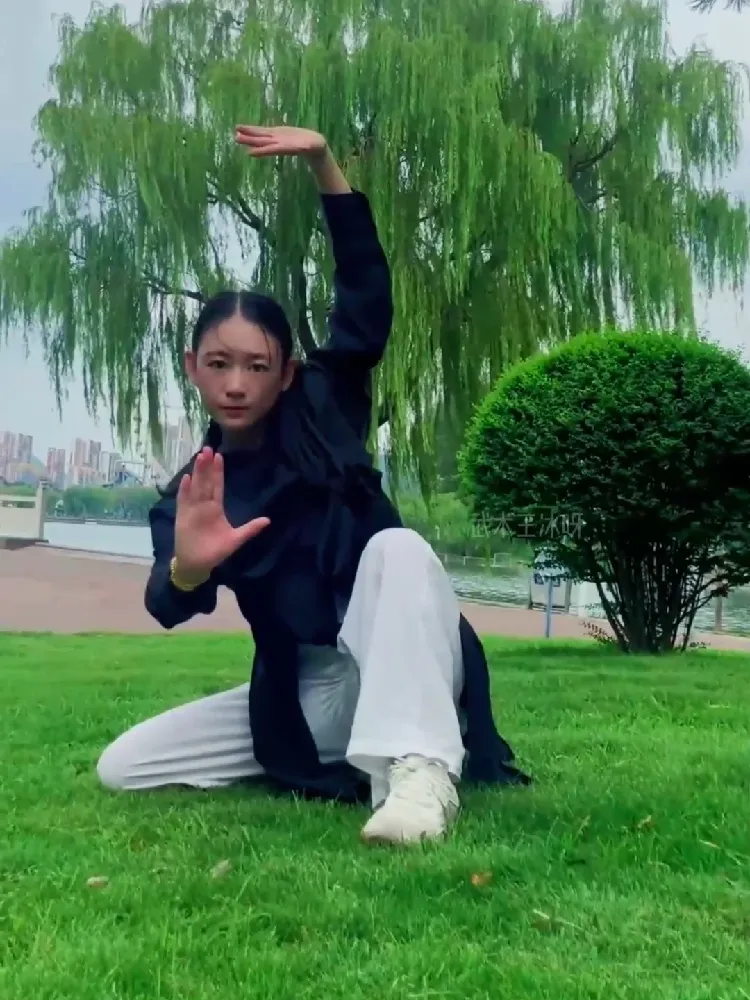
How Does Tongbei Quan Actually Work? The “Through-Back” Mechanics
You might wonder: What makes Tongbei so unique? It’s all in the name – “Through-Back Fist.” The power doesn’t just come from your arm. It starts in your back, travels through relaxed shoulders, and shoots straight to your fingertips.
Here’s the breakdown:
- ✔️ It’s long-range : Unlike many close-range styles, Tongbei specializes in hitting from a distance.
- ✔️ It’s relaxed until impact : No tense muscles. The arm stays loose, then snaps at the last second.
- ✔️ It uses physics, not brute force: Imagine cracking a whip – that’s Tongbei’s core principle.
The “ Jin “ (Power) of Tongbei – Cold, Explosive, and Crisp
Tongbei’s power is described in four key words:
- Cold – Sudden, unexpected, no warning.
- Explosive – Instant release, like a firecracker.
- Crisp – Clean, sharp, no dragging.
- Fast – Faster than the eye can track.
You don’t “push” in Tongbei. You release. It’s the difference between shoving someone and snapping a towel at them – one is slow and heavy, the other is sharp and stingingly effective.
Is Tongbei Quan Effective for Self-Defense?
Yes – and here’s why.
Tongbei wasn’t designed for tournaments. It was built for survival. Its techniques target weak points: eyes, throat, joints, and nerve clusters. There are no fancy moves – just direct, efficient responses to threats.
Key Self-Defense Features :
- ✔️ No fancy forms: Emphasis on single-move drills (108 of them) that you repeat until they’re instinct.
- ✔️ Intercept and counter: You don’t block and then strike – you do both in one motion.
- ✔️ Adaptable to modern threats: Many Tongbei teachers now incorporate defenses against grabs, weapons, and multiple attackers.
“In a real fight, you won’t remember 50 moves. You’ll remember one – if you’ve trained it a thousand times.” – Jì Yùlín, 6th gen. Tongbei master
Where Did Tongbei Quan Come From? (And Why It Almost Disappeared)
Let’s be real: most martial arts histories are full of legends. Tongbei’s no different - they say it started with watching apes in the forests. But here’s what we actually know from historical records:
The Timeline That Matters :
- 1600s: First written mention in scholar Huang Zongxi’s work
- 1800s: Qí Xìn - the real founding father - systemizes “Old Qi Style”
- Early 1900s: His son Qí Tàichāng creates “Young Qi Style” - faster, more fluid
- 2014: Gets official recognition as National Intangible Cultural Heritage
“We lost probably 70% of the original techniques because masters were too secretive.” - Modern Tongbei practitioner
The Three Major Branches Alive Today
Think of Tongbei like music genres - same roots, different styles:
White Ape Tongbei
- The original “animal style”
- Focuses on agility and rapid directional changes
- Like boxing’s peek-a-boo style but with longer range
Qi Family Tongbei
- The street-effective version
- Direct, no-frills power generation
- What most people learn today
Five Elements Tongbei
- The “internal” blend
- Merges Tongbei with Tai Chi principles
- Slower training but devastating application
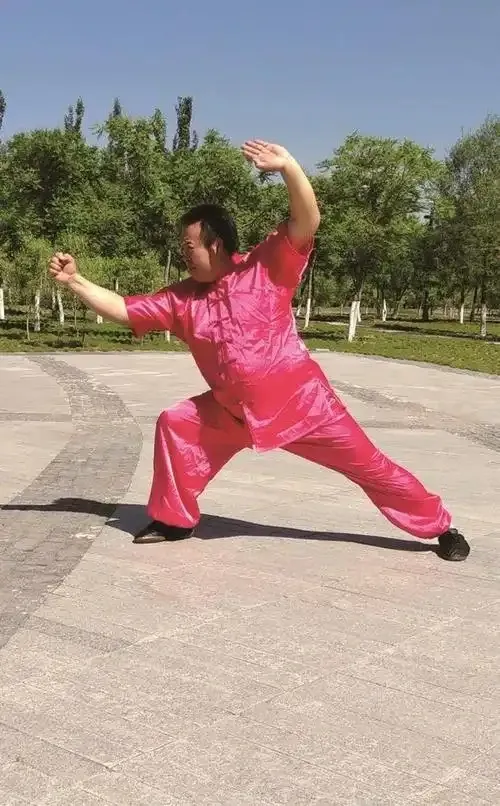
How Can You Start Learning Tongbei? (No, You Don’t Need 10 Years)
Good news: you don’t need to move to a Chinese temple. The system breaks down into logical steps:
The Foundation First - Your Body Needs to “Get It”
Before you throw a single punch:
- ✔️ Learn to stand : “Four-Six Stance” - 40% weight front, 60% back
- ✔️ Unlock your shoulders : If you’re stiff, nothing works
- ✔️ Connect back to hands : This is the “through back” feeling
The #1 Mistake Beginners Make?
They tense up. Tongbei requires what seems like a contradiction: total relaxation until the moment of impact. It feels weird at first - like trying to throw a baseball with noodle arms.
The Real Training - From Solo to Combat
Phase 1: Solo Drills
- “Circle, Flick, Chop” - the ABC’s of Tongbei handwork
- “Shaking the Wrist” - developing that whip crack
- “Living Back Method” - 8 essential back exercises
Phase 2: Equipment
- Hitting sandbags - but not like boxing
- Wooden dummies - for precision targeting
- Partner drills - where the magic happens
Phase 3: Putting It Together
- “Linking Hands” - the core of Tongbei combat
- No preset forms - it’s all adaptive
- Sparring - where theory meets reality
“The first year, you’ll feel awkward. The second year, things start connecting. By year three, you move in ways you never thought possible.” - Beijing Tongbei instructor
Is Tongbei Quan Good for Modern Self-Defense?
Let’s cut through the hype: Yes, but with caveats.
What Works Amazingly Well:
- The long-range striking is perfect for keeping attackers at distance
- The element of surprise - nobody expects these whipping angles
- The speed - you can land 2-3 shots while they’re throwing one
What You’ll Need to Adapt:
- Most traditional techniques assume upright opponents
- You’ll need to integrate ground defense separately
- Weapon defenses require modernization
Tongbei gives you what most people lack in fights: distance control and shocking power. But like any traditional system, you need to pressure-test it against modern attacks.
What Are the Real Health Benefits of Tongbei Training?
Let’s be honest—most people don’t start martial arts to become street fighters. They want to feel better, move better, and handle stress better. Tongbei delivers on all three.
Think of it as “physical therapy with combat applications.”
Here’s what consistent practice actually does for your body:
The Body Re-engineering You Didn’t Know You Needed
- ✔️ Shoulder and back health : The constant circular motions and stretching act like dynamic yoga for your upper body
- ✔️ Core strength without crunches : Every movement originates from your center—your abs and back get worked without isolation exercises
- ✔️ Joint mobility : The “whip-like” actions keep your shoulders, elbows, and wrists supple
- ✔️ Posture correction : That “desk hunch”? Tongbei’s expansive movements counter it perfectly
“I had chronic shoulder pain from years at the computer. After six months of Tongbei, not only did the pain disappear—I stood two inches taller.” - Mark R., 42, software developer
The Mental Game-Changer
This is where Tongbei surprises most people. The mental benefits might be more valuable than the physical ones:
- Stress relief through motion : There’s something about the rhythmic, flowing movements that acts like a “moving meditation”
- Forces you to be present : You can’t worry about work emails while coordinating these complex full-body movements
- Builds what I call “calm confidence” : Knowing you can handle yourself changes how you carry yourself daily
How to Find Authentic Tongbei Instruction (Without the Hype)
The martial arts world is full of self-proclaimed “grandmasters.” Here’s how to separate the real from the ridiculous:
Red Flags in a Tongbei School
- ✗ They promise “secret techniques” for extra money
- ✗ The instructor can’t demonstrate the core principles on the spot
- ✗ No partner drills or pressure testing
- ✗ They claim lineage that can’t be verified
Green Flags—What to Look For
- ✓ Emphasis on fundamentals over flashy forms
- ✓ The instructor can clearly explain the “why” behind each movement
- ✓ Students of different skill levels training together
- ✓ They welcome your first trial class without pressure
Pro Tip : Look for schools associated with the Beijing Wushu Association or instructors who trace their lineage to recognized masters like Jì Yùlín or Zhāng Cè. These connections aren’t everything, but they provide credibility.
Common Beginner Questions (Answered Honestly)
I’m 50+ and not in great shape—can I still learn?
Absolutely. Tongbei has what I call “scalable intensity.” The same movement can be practiced gently for health or explosively for combat. Start slow, focus on proper mechanics, and your body will adapt.
How long until I can use this for self-defense?
The honest timeline:
- 3-6 months : Basic defensive movements become instinctual
- 1 year : You can handle most untrained attackers
- 2+ years : It becomes integrated into your movement—you don’t “do” Tongbei, you are Tongbei
“Do I need to be flexible to start?”
Actually, no. The practice itself builds the flexibility you need. The only requirement is willingness to feel awkward for the first few months.
Why Tongbei Remains Relevant in the 21st Century
In an age of quick fixes and disconnected lives, Tongbei offers something rare: a system that connects mind, body, and practical capability.
It’s not about learning to fight. It’s about:
- Understanding how your body generates power
- Developing resilience that applies off the training floor
- Connecting to a living tradition that’s survived centuries
“We’re not preserving a museum piece. We’re keeping alive a sophisticated movement science that happens to have combat applications.” - Modern Tongbei teacher
Whether you’re looking for self-defense, better health, or just a deeper connection to your physical self—Tongbei delivers. It’s stood the test of time because it works.
Ready to give it a try? Your journey starts with that first awkward, wonderful attempt at “shaking the wrist.” Embrace the awkwardness—that’s where growth happens. If you’re comparing internal and external styles, this beginner’s introduction to Tai Chi provides context.
Frequently Asked Questions About Tongbei Quan
-
What makes Tongbei Quan different from other Chinese martial arts like Tai Chi or Wing Chun?
While Tai Chi focuses on slow, circular movements and Wing Chun specializes in close-range combat, Tongbei stands out with its unique “long-range whipping power” and “through-back” power generation. It’s more explosive and range-focused than Tai Chi, yet more structured than the improvisational nature of Wing Chun.
-
Can Tongbei Quan really help with back pain and posture issues?
Absolutely. The core training emphasizes spinal mobilization and shoulder relaxation - directly countering modern desk-bound postures. Many practitioners report significant relief from chronic back and neck pain within 3-6 months of consistent practice.
-
How effective is Tongbei for women’s self-defense?
Surprisingly effective. Unlike systems relying on brute strength, Tongbei’s whipping strikes and distance management allow smaller individuals to generate disproportionate power. Its emphasis on targeting vulnerable areas (eyes, throat, joints) makes it particularly practical for self-defense scenarios.
-
Is Tongbei Quan suitable for complete beginners with no martial arts experience?
Yes! The training system progresses logically from fundamental stance work to basic arm whips, making it accessible to beginners. The key is finding an instructor who emphasizes proper mechanics over flashy techniques.
-
What’s the difference between ‘Tongbei Quan’ and ‘Tongbi Quan’?
Great question! Both terms refer to the same art - “Tongbei Quan” (通背拳) is the more common pronunciation, while “Tongbi Quan” is an alternative reading. Think of it like “tomato” versus “tomato” - same thing, different regional preferences.
-
How long does it take to see practical self-defense results from Tongbei training?
Most students develop basic defensive competence within 4-6 months of regular training. The 108 single drills are designed to build muscle memory quickly. However, true proficiency typically takes 2+ years of consistent practice.
-
Are there any age restrictions for learning Tongbei?
None whatsoever. We’ve seen dedicated practitioners start in their 60s and achieve remarkable results. The art can be adapted to any fitness level - the key is listening to your body and progressing at your own pace.
-
What equipment do I need to start practicing Tongbei Quan?
Beginners need only comfortable clothing and a open space about 6x6 feet. As you progress, you might add: Traditional training weapons (staff, sword) Hanging sandbag for power development Focus mitts for precision training.
-
How does Tongbei’s ‘cold power’ actually work in real combat?
“Cold power” refers to the art’s ability to generate force without telegraphing - meaning your opponent doesn’t see the strike coming until it’s too late. It’s like a snake strike: relaxed until the moment of impact, then instantly explosive.
-
Can Tongbei Quan help with stress and anxiety?
Definitely. The rhythmic, full-body movements create a moving meditation effect, while the physical exertion provides natural stress relief. Many practitioners describe their training sessions as “active therapy.”
-
What are the main branches of Tongbei Quan available today?
The three major living traditions are: White Ape Tongbei (focus: agility and animal mimicry) Qi Family Tongbei (focus: combat effectiveness) Five Elements Tongbei (focus: internal power development).
-
How do I find a qualified Tongbei instructor in my area?
Start by checking with: Local Chinese cultural centers Traditional martial arts associations The Beijing Wushu Association website (they maintain lists of certified instructors) Remember to always observe a class before committing, and trust your instincts about the instructor’s teaching style and expertise.
Related terms
Related Glossary Terms
Explore connected concepts in the Tai Chi knowledge graph.