Home/Forums/[Masterclass] The Ultimate 62-Step Guide to Tai Chi's 8 Methods & 5 Steps (Ba Fa Wu Bu) with Detailed Explanations
[Masterclass] The Ultimate 62-Step Guide to Tai Chi's 8 Methods & 5 Steps (Ba Fa Wu Bu) with Detailed Explanations
Community MemberGeneral Discussion
Posted May 10, 2026
60 Replies
Senior Brother#1
May 11, 2026
Senior Brother#2
May 11, 2026
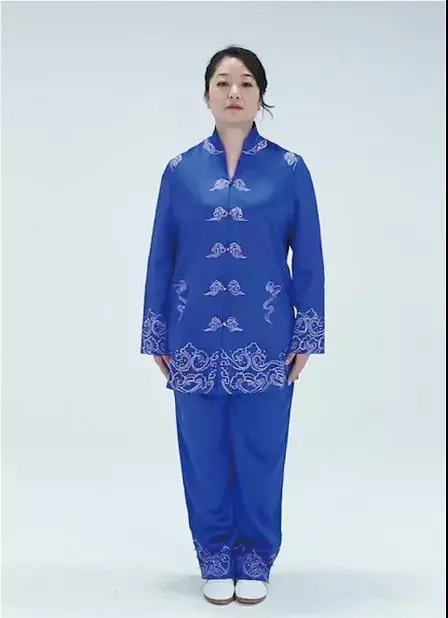 Preparation: Stand upright. Be centered, relaxed, and comfortable. (Zhǔnbèi: Shēntǐ zhílì, zhōngzhèng shūsōng).
📖 Deeper Understanding: This posture is the foundation of all Tai Chi practice—it is the Wuji state. Discover how to cultivate stillness before movement in our blog post What is Wuji in Tai Chi
Preparation: Stand upright. Be centered, relaxed, and comfortable. (Zhǔnbèi: Shēntǐ zhílì, zhōngzhèng shūsōng).
📖 Deeper Understanding: This posture is the foundation of all Tai Chi practice—it is the Wuji state. Discover how to cultivate stillness before movement in our blog post What is Wuji in Tai ChiSenior Brother#3
May 11, 2026
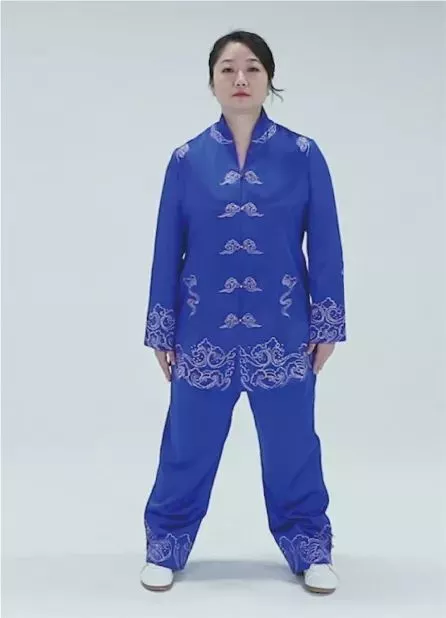 Open Your Feet: Open your feet to shoulder width. (Kāibù: Yǔ jiān tóng kuān).
Senior Brother#4
May 11, 2026
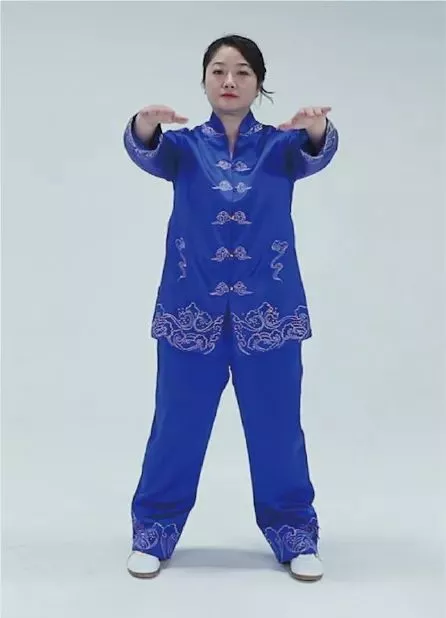 Raise Arms: Slowly raise both hands to shoulder height. (Liǎng shǒu píngjǔ: Yǔ jiān tóng gāo).
Senior Brother#5
May 11, 2026
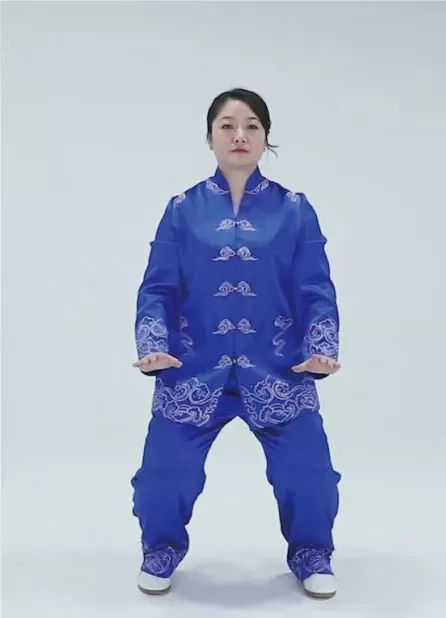 Bend Knees & Press: Bend your knees and press down with your palms. (Qūxī xià àn).
One of the first challenges in Tai Chi is finding "relaxation" (sōng) while maintaining structure, a skill key to mastering sōng (松) and jǐn (紧). When you press your hands down and bend your knees here, do you feel a sense of sinking energy (chén) into your feet? Where is your awareness focused—on your palms, your dantian, or your feet?
Bend Knees & Press: Bend your knees and press down with your palms. (Qūxī xià àn).
One of the first challenges in Tai Chi is finding "relaxation" (sōng) while maintaining structure, a skill key to mastering sōng (松) and jǐn (紧). When you press your hands down and bend your knees here, do you feel a sense of sinking energy (chén) into your feet? Where is your awareness focused—on your palms, your dantian, or your feet?Senior Brother#6
May 11, 2026
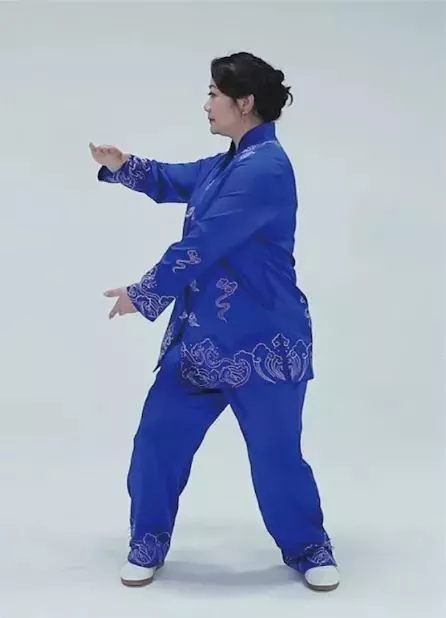 Turn Right, Hold Ball: Turn right and form a "hold ball" posture. (Yòu zhuǎn, bào qiú).
P.S. If you're more of a visual learner and want to see how this entire Peng-Lu-Ji-An sequence flows in real time, we have a complete video of the form on our Ba Fa dictionary page. It's a great way to connect the static images here with the dynamic movement!
Watch the Full Form Video on Our Dictionary Page
Turn Right, Hold Ball: Turn right and form a "hold ball" posture. (Yòu zhuǎn, bào qiú).
P.S. If you're more of a visual learner and want to see how this entire Peng-Lu-Ji-An sequence flows in real time, we have a complete video of the form on our Ba Fa dictionary page. It's a great way to connect the static images here with the dynamic movement!
Watch the Full Form Video on Our Dictionary PageSenior Brother#7
May 11, 2026
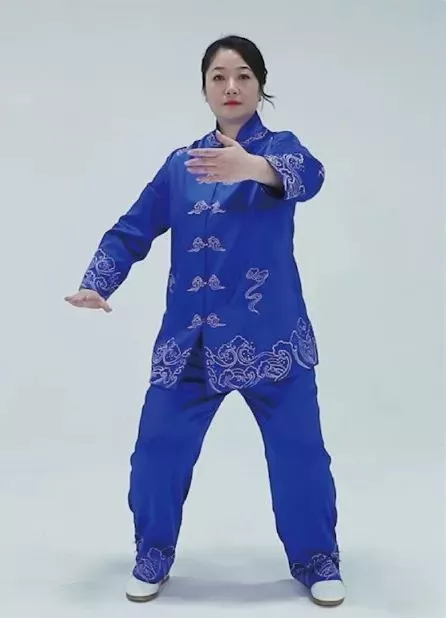 Turn Waist, Left Peng: Turn your waist, step forward, and perform Left Ward Off (Peng). (Zhuǎn yāo, zuǒ péng).
It's often said in Tai Chi, "The waist is the commander" (腰为主宰). When you turn your waist to execute Peng (ward off), do you feel the movement originating from your lower back/waist, or are you leading more with your shoulder or arm? Any tips for relaxing your muscles (without going limp) in the waist while generating power?
Turn Waist, Left Peng: Turn your waist, step forward, and perform Left Ward Off (Peng). (Zhuǎn yāo, zuǒ péng).
It's often said in Tai Chi, "The waist is the commander" (腰为主宰). When you turn your waist to execute Peng (ward off), do you feel the movement originating from your lower back/waist, or are you leading more with your shoulder or arm? Any tips for relaxing your muscles (without going limp) in the waist while generating power?Senior Brother#8
May 11, 2026
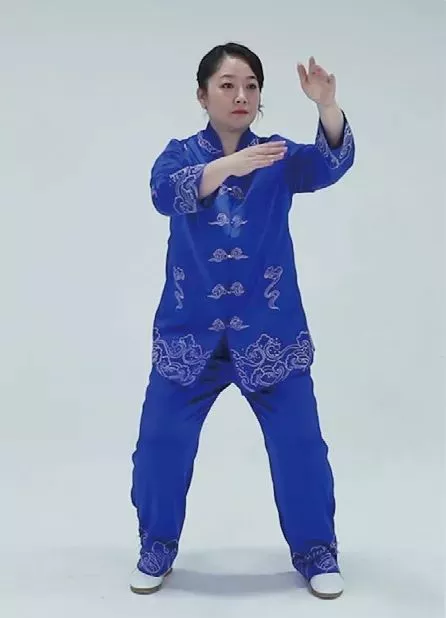 Turn Left, Rollback: Turn left, rotate the arms, and perform Rollback (Lu). (Zuǒ zhuǎn, nèiwài xuán bì, xià lǚ).
Deeper Understanding: Rollback embodies the principle of yielding and neutralizing. Explore the philosophy of empty and full in our article Yin Yang in Tai Chi
Turn Left, Rollback: Turn left, rotate the arms, and perform Rollback (Lu). (Zuǒ zhuǎn, nèiwài xuán bì, xià lǚ).
Deeper Understanding: Rollback embodies the principle of yielding and neutralizing. Explore the philosophy of empty and full in our article Yin Yang in Tai ChiSenior Brother#9
May 11, 2026
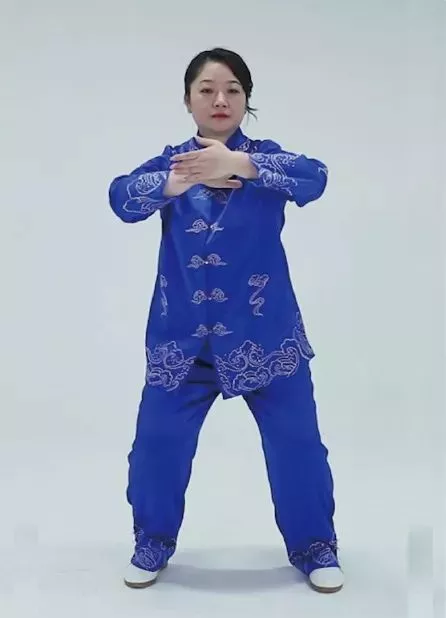 Turn Right, Connect Hands: Turn right, turn your waist, and connect the hands. (Xiàng yòu, zhuǎn yāo dā shǒu).
Senior Brother#10
May 11, 2026
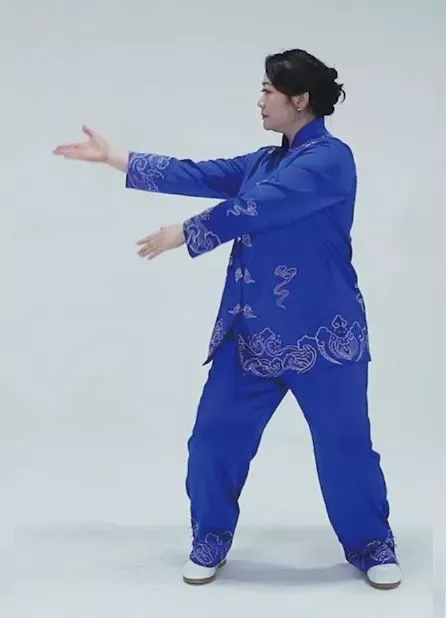 Center, Press: Return to center and perform Press (Ji). (Huí zhèng, jǐ chū).
📖 Deeper Understanding: Coordinating breath with movement is essential for issuing Jin. Learn the rhythm of Tai Chi breathing in How to Breathe in Tai Chi
Center, Press: Return to center and perform Press (Ji). (Huí zhèng, jǐ chū).
📖 Deeper Understanding: Coordinating breath with movement is essential for issuing Jin. Learn the rhythm of Tai Chi breathing in How to Breathe in Tai ChiSenior Brother#11
May 11, 2026
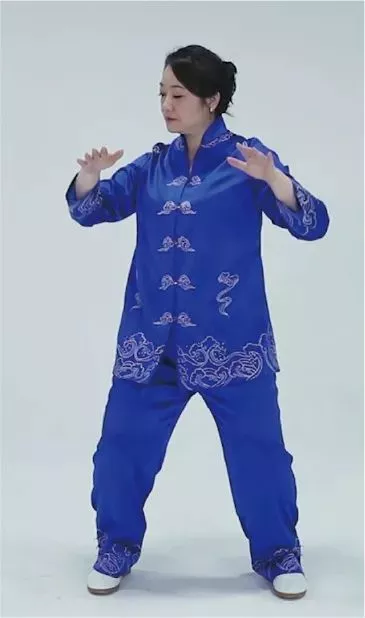 Slightly Turn Right, Press Down: Turn slightly to the right and press down. (Wēiwēi xiàng yòu zhuǎn, xià àn).
Senior Brother#12
May 11, 2026
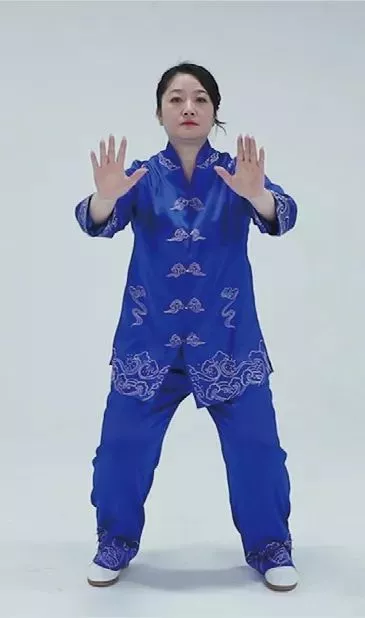 Turn Center, Push: Turn back to center and Push (An). (Zhuǎn zhèng, tuī chū).
Senior Brother#13
May 11, 2026
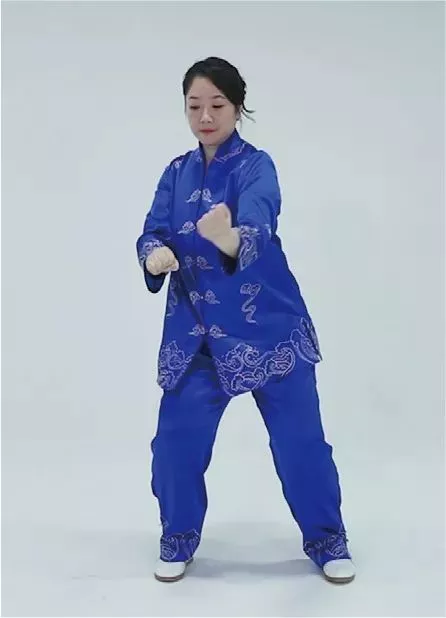 Right Pluck: Make fists and gently pluck downward and to the right. (Shuāng shǒu wò quán, wēiwēi xiàng yòu xià cǎi).
📖 Deeper Understanding: Cai requires a stable root and proper weight shift. Improve your balance with insights from Tai Chi for Balance
Right Pluck: Make fists and gently pluck downward and to the right. (Shuāng shǒu wò quán, wēiwēi xiàng yòu xià cǎi).
📖 Deeper Understanding: Cai requires a stable root and proper weight shift. Improve your balance with insights from Tai Chi for BalanceSenior Brother#14
May 11, 2026
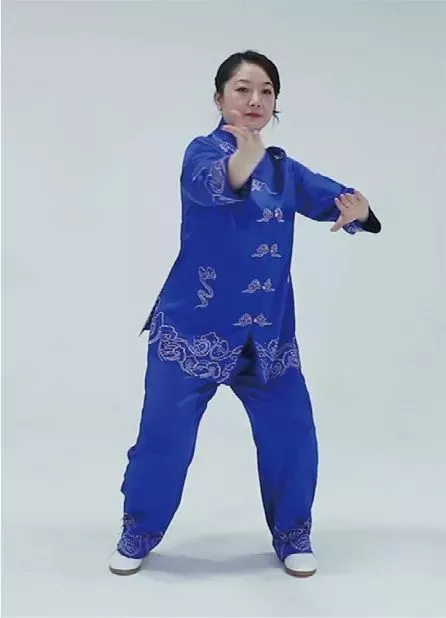 Left Split: Change fists to palms and Split (Lie) to the left. (Shuāng shǒu biàn zhǎng, xiàng zuǒ liè).
Senior Brother#15
May 11, 2026
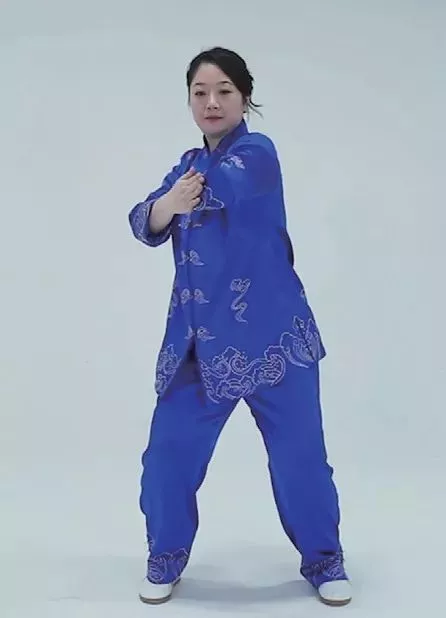 Left Elbow: Make a fist with your left hand and strike with the elbow horizontally. (Zuǒ shǒu wò quán, héng jī zhǒu).
📖 Deeper Understanding: Elbow strikes generate power from the whole body. Dive into the science of issuing force in Unlocking Internal Power (Jin)
Left Elbow: Make a fist with your left hand and strike with the elbow horizontally. (Zuǒ shǒu wò quán, héng jī zhǒu).
📖 Deeper Understanding: Elbow strikes generate power from the whole body. Dive into the science of issuing force in Unlocking Internal Power (Jin)Senior Brother#16
May 11, 2026
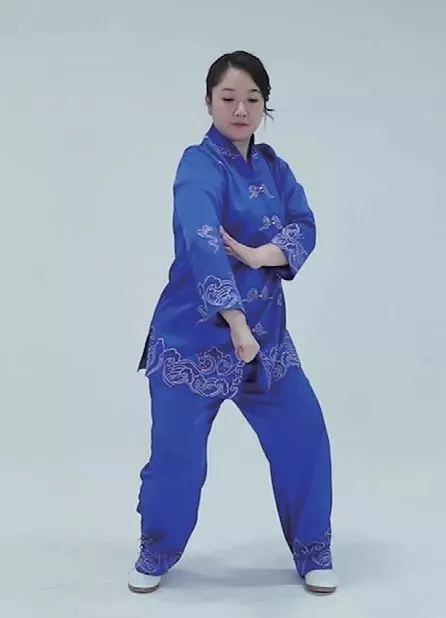 Right Shoulder Strike: Right hand internally rotates into a fist, left hand becomes a palm; strike with the shoulder (Kao). (Yòu shǒu nèi xuán biàn quán, zuǒ shǒu biàn zhǎng, kào).
Senior Brother#17
May 11, 2026
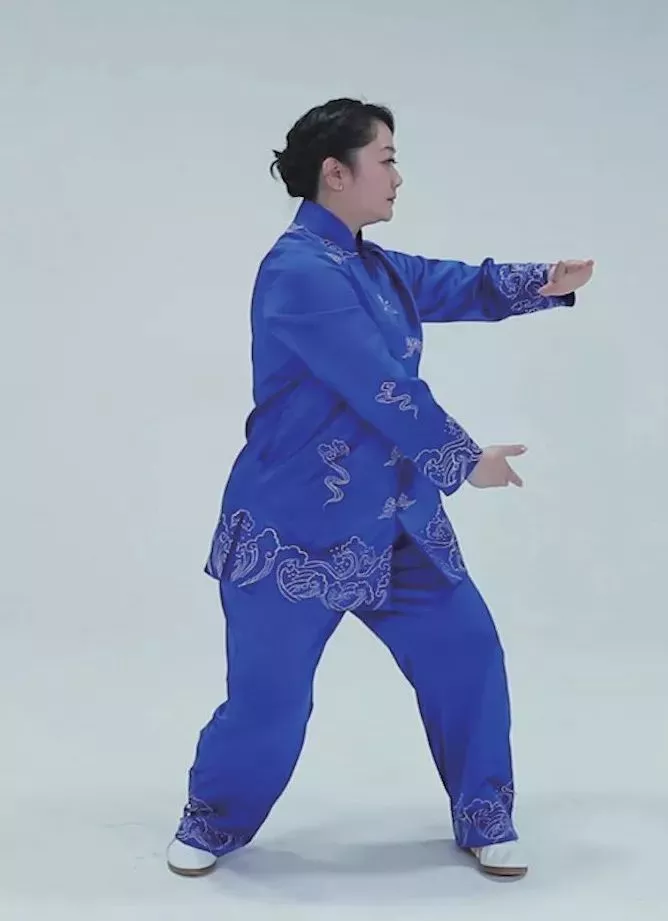 Turn Left, Hold Ball: Turn left and form the "hold ball" posture. (Zuǒ zhuǎn, bào qiú).
Senior Brother#18
May 11, 2026
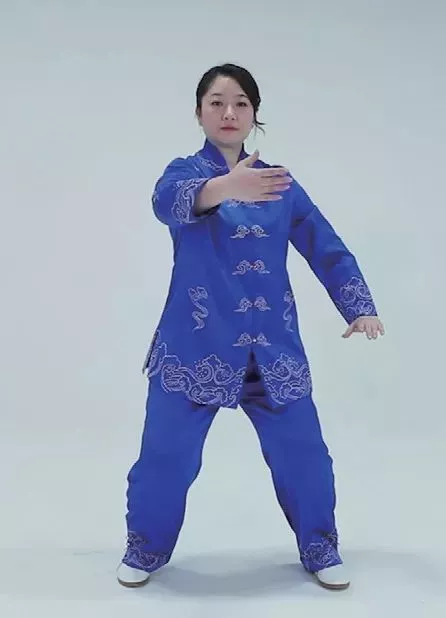 Turn Waist, Right Peng: Turn your waist and perform Right Ward Off (Peng). (Zhuǎn yāo, yòu péng).
Senior Brother#19
May 11, 2026
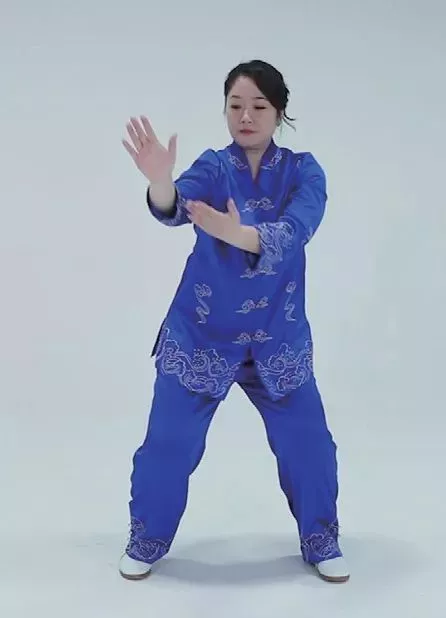 Turn Right, Rollback: Turn right, rotate the arms, and perform Rollback (Lu). (Yòu zhuǎn, nèiwài xuán bì, xià lǚ).
Senior Brother#20
May 11, 2026
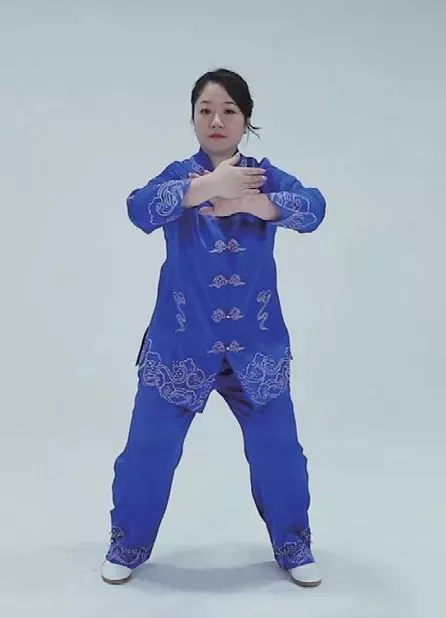 Center, Press: Return to center and Press (Ji). (Huí zhèng, jǐ).
Senior Brother#21
May 11, 2026
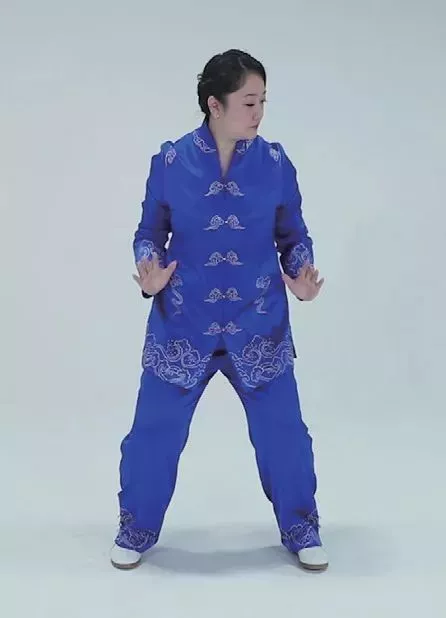 Slightly Turn Left, Press Down: Turn slightly to the left and press down. (Wēiwēi zuǒ zhuǎn, xià àn).
Senior Brother#22
May 11, 2026
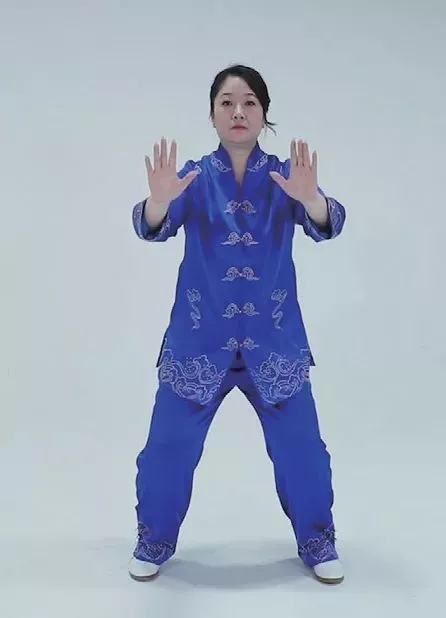 Turn Center, Push: Return to center and Push (An). (Huí zhèng, tuī chū).
Senior Brother#23
May 11, 2026
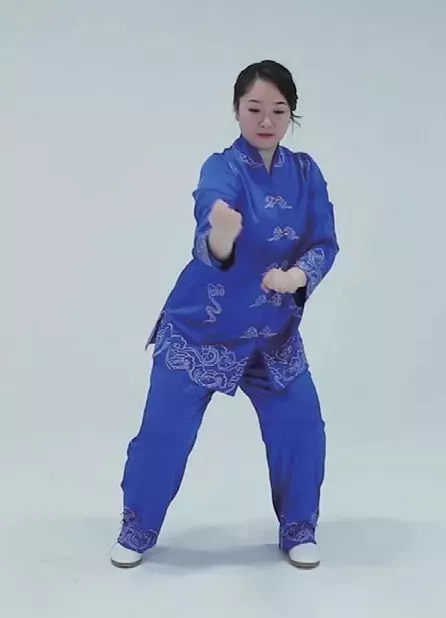 Left Pluck: Make fists and gently pluck downward and to the left. (Shuāng shǒu wò quán, wēiwēi xiàng zuǒ shùn cǎi).
Senior Brother#24
May 11, 2026
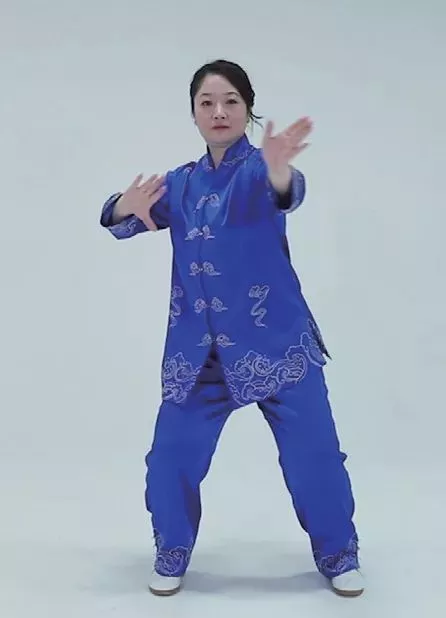 Right Split: Change fists to palms and Split (Lie) to the right. (Shuāng shǒu biàn zhǎng, xiàng yòu liè).
Senior Brother#25
May 11, 2026
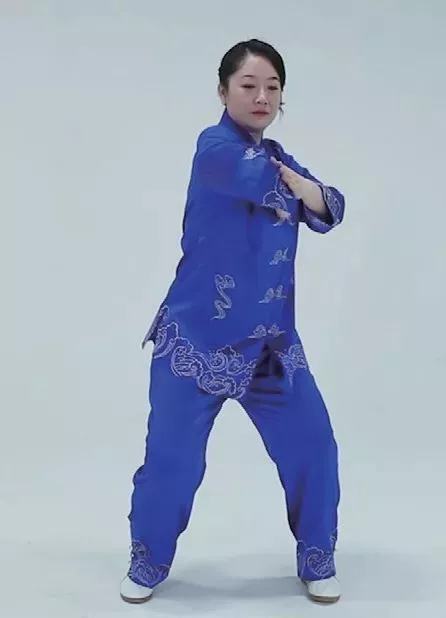 Right Elbow: Make a fist with your right hand and strike with the elbow horizontally to the left side. (Yòu shǒu wò quán, xiàng zuǒ cè, héng jī zhǒu).
Senior Brother#26
May 11, 2026
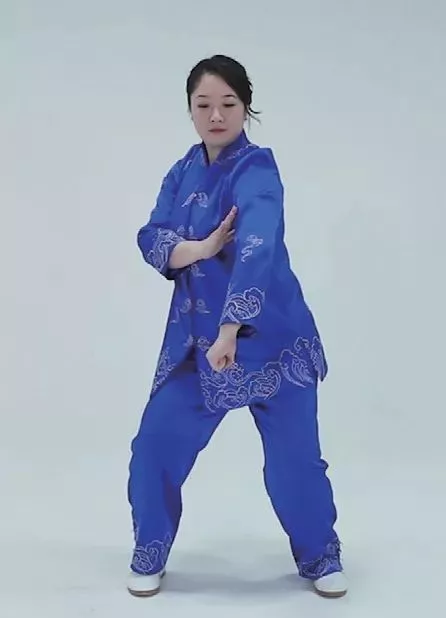 Left Shoulder Strike: Left hand internally rotates into a fist, right hand becomes a palm; strike with the shoulder (Kao). (Zuǒ shǒu nèi xuán biàn quán, yòu shǒu biàn zhǎng kào).
Senior Brother#27
May 11, 2026
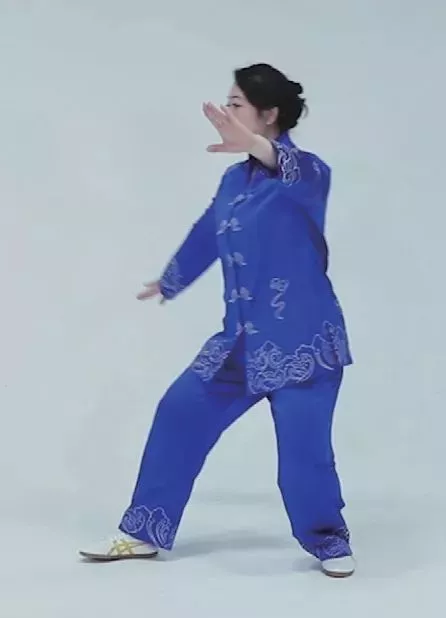 Pivot Right Foot, Hold Ball: Pivot on the right foot and hold the ball. (Bǎi yòu jiǎo, bào qiú).
Senior Brother#28
May 11, 2026
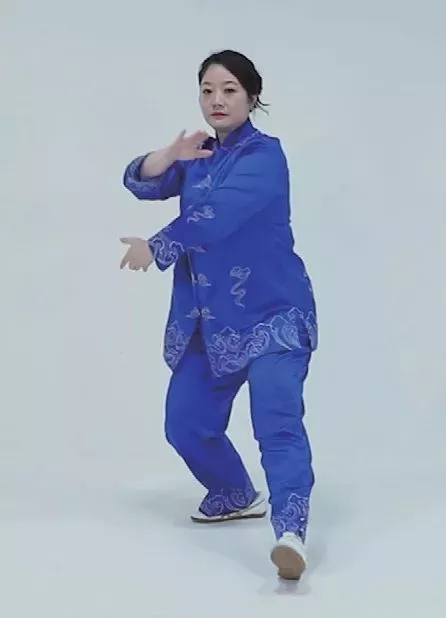 Step Forward with Left: Step forward with the left foot. (Shàng zuǒ bù).
📖 Deeper Understanding: Stepping is the foundation of Tai Chi locomotion. Read our comprehensive guide Tai Chi Walking: How It Works
Step Forward with Left: Step forward with the left foot. (Shàng zuǒ bù).
📖 Deeper Understanding: Stepping is the foundation of Tai Chi locomotion. Read our comprehensive guide Tai Chi Walking: How It WorksSenior Brother#29
May 11, 2026
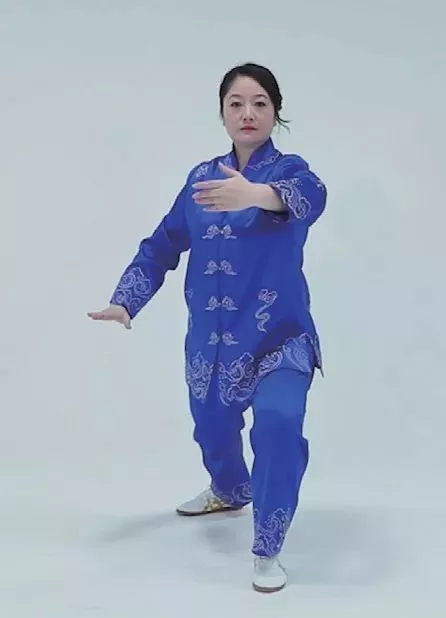 Bow Stance, Left Peng: Sink into a bow stance and perform Left Ward Off (Peng). (Gōng bù, zuǒ péng).
📖 Deeper Understanding: Proper bow stance requires open kua to protect the knees. Learn how to open your kua correctly in Open Kua in Tai Chi
Bow Stance, Left Peng: Sink into a bow stance and perform Left Ward Off (Peng). (Gōng bù, zuǒ péng).
📖 Deeper Understanding: Proper bow stance requires open kua to protect the knees. Learn how to open your kua correctly in Open Kua in Tai ChiSenior Brother#30
May 11, 2026
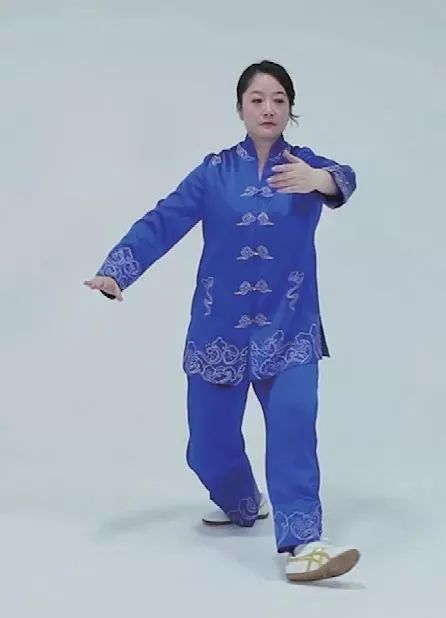 Pivot Left Foot: Pivot on the left foot. (Bǎi zuǒ jiǎo).
Senior Brother#31
May 11, 2026
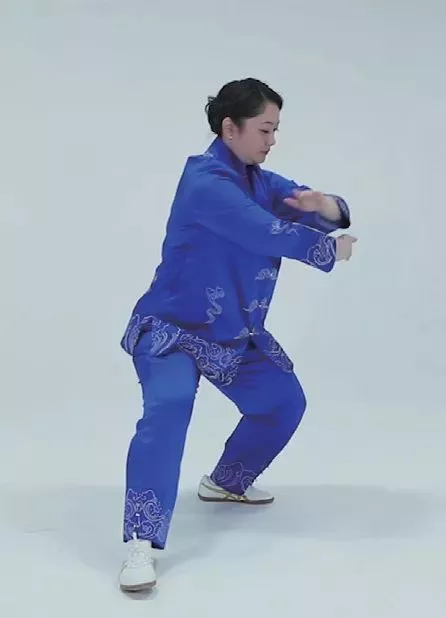 Hold Ball, Step Right: Hold the ball and step forward with the right foot. (Bào qiú, shàng yòu bù).
Senior Brother#32
May 11, 2026
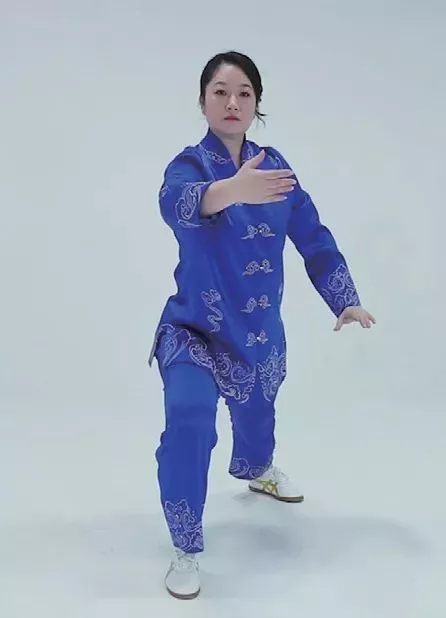 Bow Stance, Right Peng: Sink into a bow stance and perform Right Ward Off (Peng). (Gōng bù, yòu péng).
Senior Brother#33
May 11, 2026
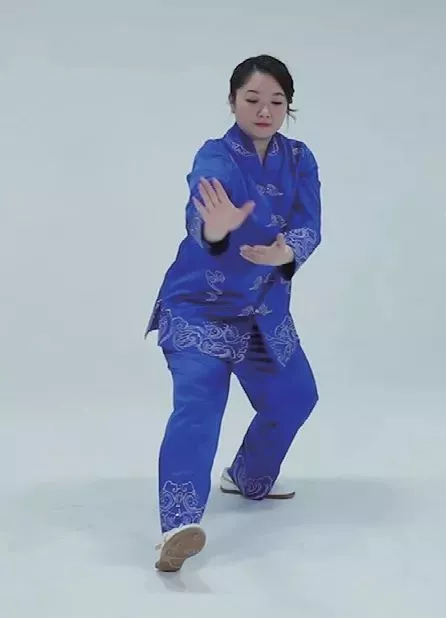 Shift Left, Rollback Left: Shift weight slightly left and Rollback (Lu) down to the left. (Wēi xiàng zuǒ, yí zhòng xīn, zuǒ xià lǚ).
Senior Brother#34
May 11, 2026
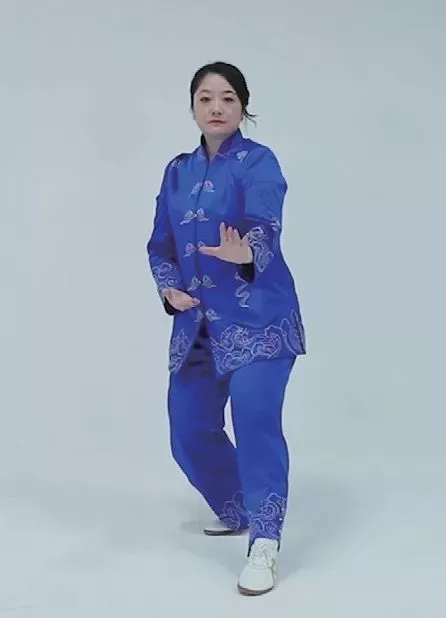 Step Back Right, Rollback Right: Step back with the right foot, shift weight, and Rollback (Lu) down to the right. (Chè yòu jiǎo, yí zhòng xīn, yòu xià lǚ).
Senior Brother#35
May 11, 2026
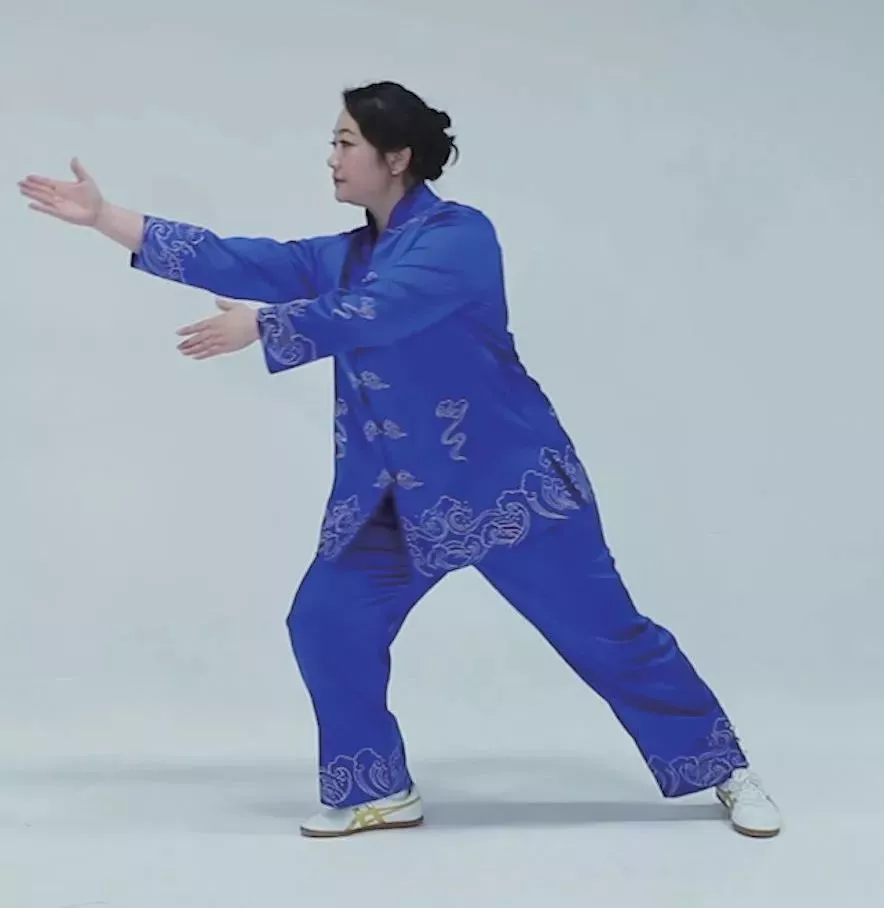 Step Left, Position Palms: Step left and position the palms. (Píngyí kāi zuǒ bù, bǎi zhǎng).
Senior Brother#36
May 11, 2026
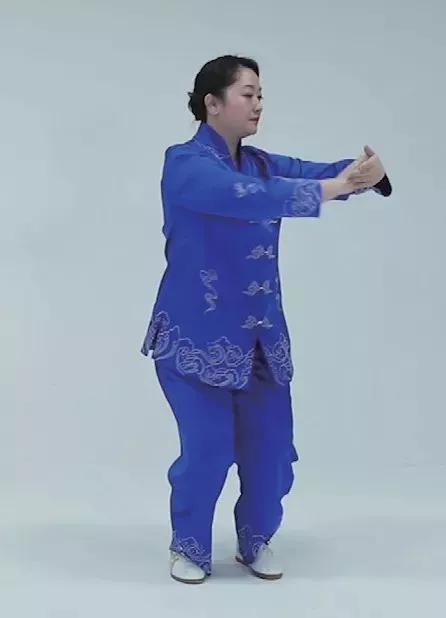 Feet Together, Left Press: Bring feet together and execute Press (Ji) with power. (Shuāng shǒu fā lì, bìng bù zuǒ jǐ).
📖 Deeper Understanding: This combined movement highlights the difference between Tai Chi and Qigong. Compare the two practices in Tai Chi vs Qigong
Feet Together, Left Press: Bring feet together and execute Press (Ji) with power. (Shuāng shǒu fā lì, bìng bù zuǒ jǐ).
📖 Deeper Understanding: This combined movement highlights the difference between Tai Chi and Qigong. Compare the two practices in Tai Chi vs QigongSenior Brother#37
May 11, 2026
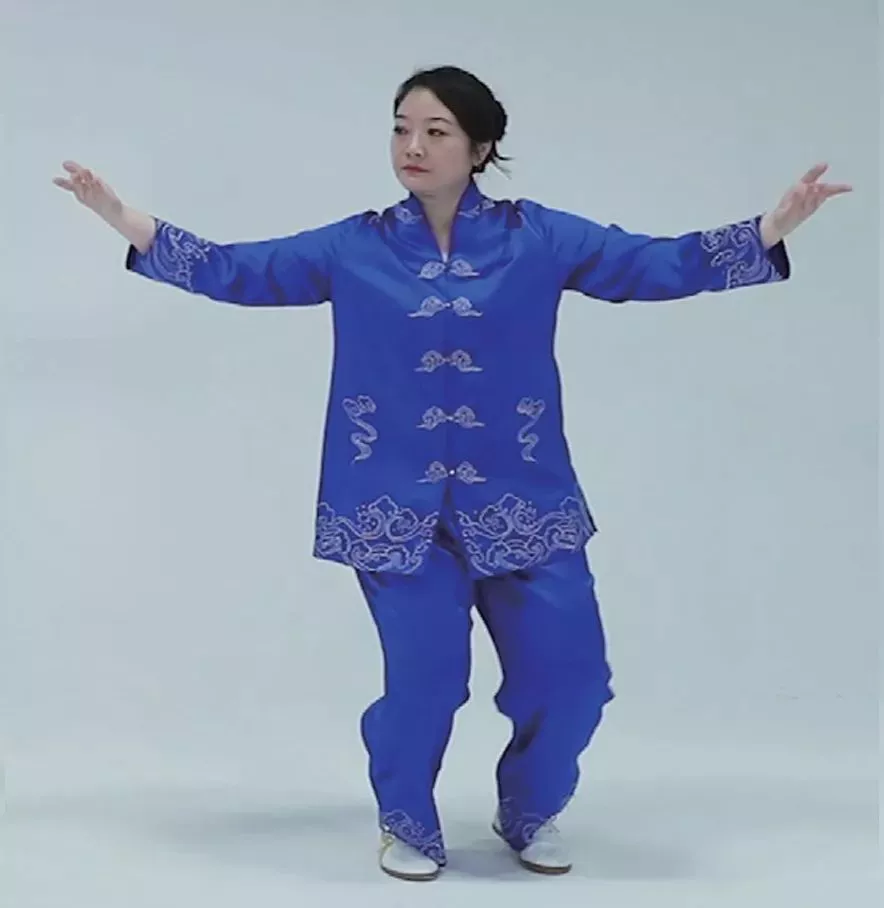 Open Hands, Step Left: Open both hands and step forward with the left foot. (Shuāng kāi shǒu, zuǒ shàng bù).
Senior Brother#38
May 11, 2026
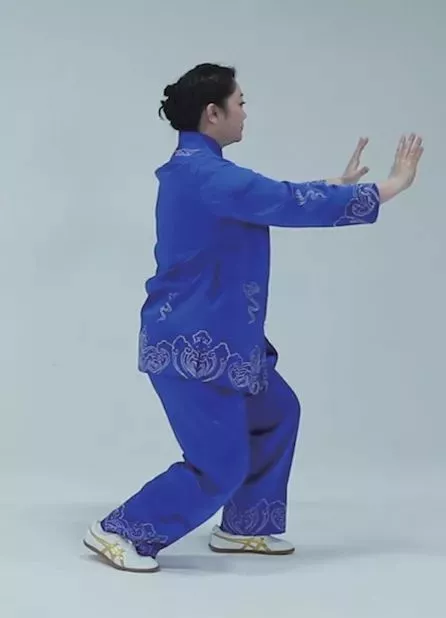 Follow Step, Double Push: Follow with the right foot and double palm push. (Gēn bù, shuāng tuī zhǎng).
📖 Deeper Understanding: Double push is a classic closing move. If you're new to Tai Chi, start with our beginner's guide Tai Chi for Beginners
Follow Step, Double Push: Follow with the right foot and double palm push. (Gēn bù, shuāng tuī zhǎng).
📖 Deeper Understanding: Double push is a classic closing move. If you're new to Tai Chi, start with our beginner's guide Tai Chi for BeginnersSenior Brother#39
May 11, 2026
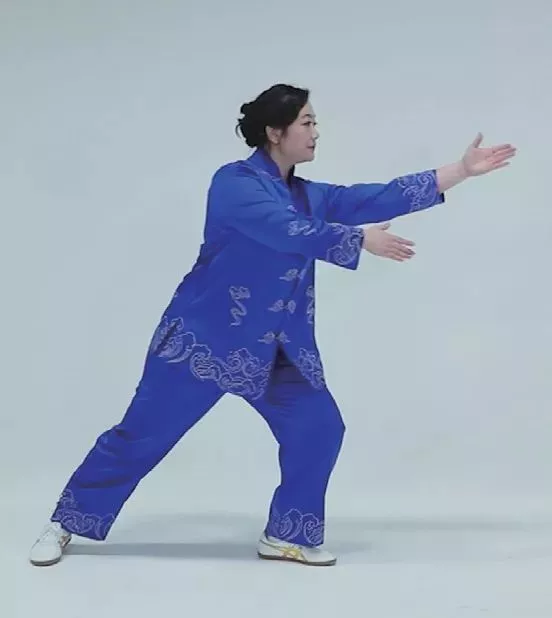 Step Left, Position Palms: Step left and position the palms. (Zuǒ píng kāi bù, bǎi zhǎng).
Senior Brother#40
May 11, 2026
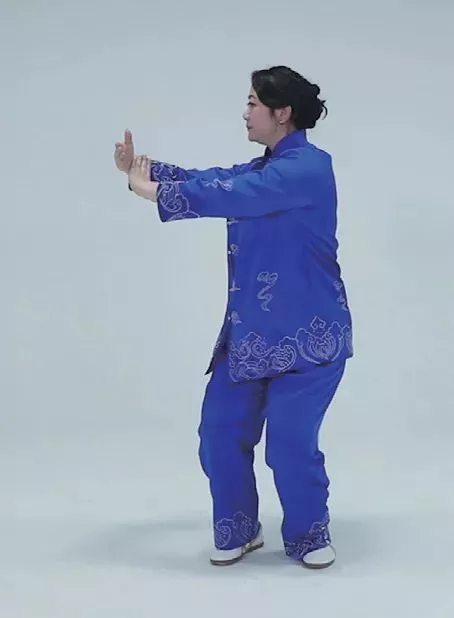 Feet Together, Right Press: Bring feet together and execute Press (Ji) with power. (Shuāng shǒu fā lì, bìng bù yòu jǐ).
Senior Brother#41
May 11, 2026
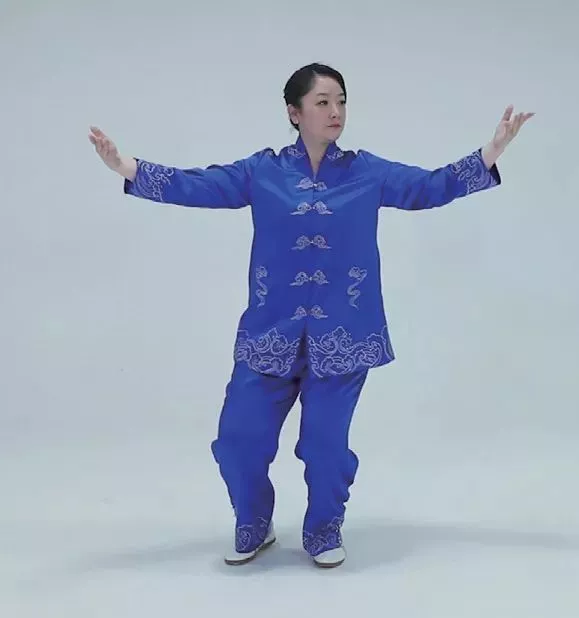 Open Hands, Step Right: Open both hands and step forward with the right foot. (Shuāng kāi shǒu, yòu shàng bù).
Senior Brother#42
May 11, 2026
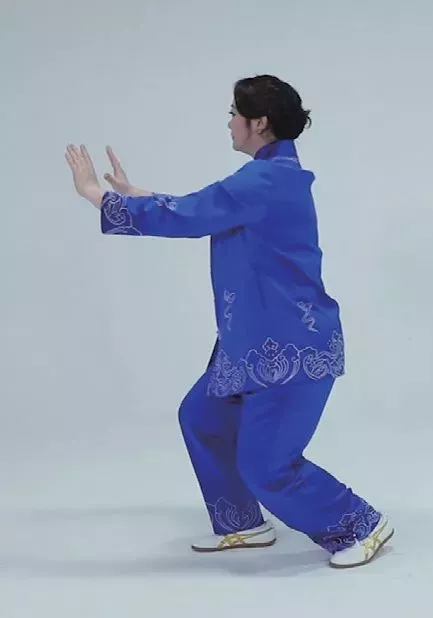 Follow Step, Double Push: Follow with the left foot and double palm push. (Gēn bù, shuāng tuī zhǎng).
Senior Brother#43
May 11, 2026
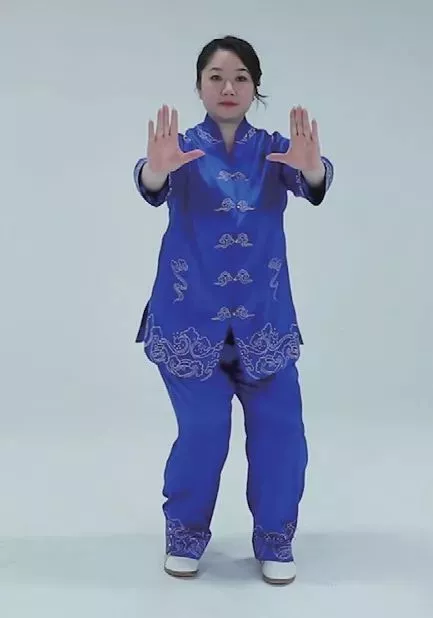 Grind Left, Hook Right, Center: Grind on the left heel, hook the right toes in, and return to center. (Niǎn zuǒ jiǎo, kòu yòu jiǎo, huí zhèng).
Senior Brother#44
May 11, 2026
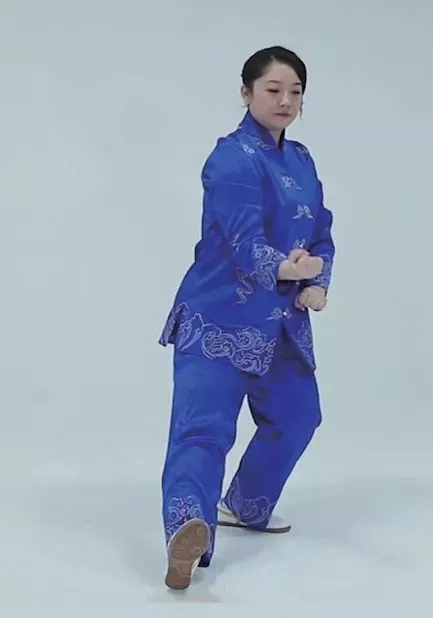 Step Back Left, Left Pluck: Make fists, step back with the left foot, and Pluck (Cai) down-left. (Shuāng shǒu wò quán, chè zuǒ jiǎo, zuǒ xià cǎi).
📖 Deeper Understanding: Retreating movements can stress the knees. Check our evidence-based guide on knee safety Is Tai Chi Walking Safe for Knees
Step Back Left, Left Pluck: Make fists, step back with the left foot, and Pluck (Cai) down-left. (Shuāng shǒu wò quán, chè zuǒ jiǎo, zuǒ xià cǎi).
📖 Deeper Understanding: Retreating movements can stress the knees. Check our evidence-based guide on knee safety Is Tai Chi Walking Safe for KneesSenior Brother#45
May 11, 2026
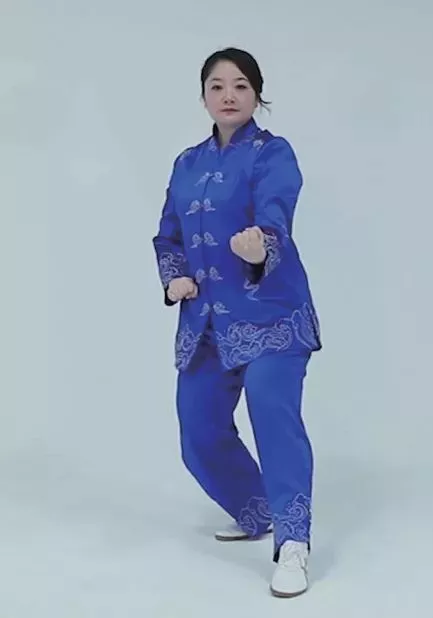 Step Back Right, Right Pluck: Step back with the right foot, make fists, and Pluck (Cai) down-right. (Chè yòu jiǎo, shuāng shǒu wò quán, yòu xià cǎi).
📖 Deeper Understanding: For seniors, retreating steps are especially important for fall prevention. Read our specialized guide Tai Chi Walking for Seniors
Step Back Right, Right Pluck: Step back with the right foot, make fists, and Pluck (Cai) down-right. (Chè yòu jiǎo, shuāng shǒu wò quán, yòu xià cǎi).
📖 Deeper Understanding: For seniors, retreating steps are especially important for fall prevention. Read our specialized guide Tai Chi Walking for SeniorsSenior Brother#46
May 11, 2026
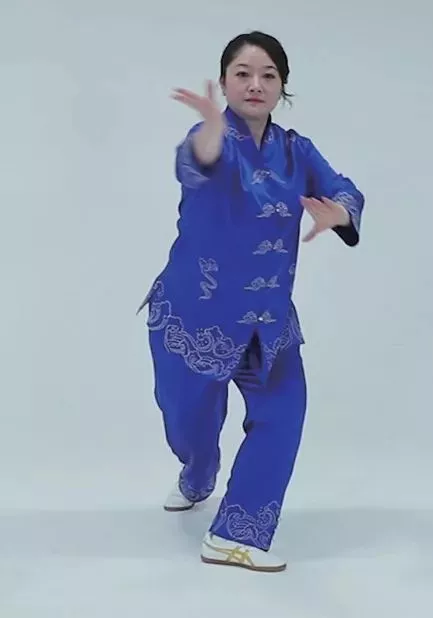 Step Left, Left Split: Step forward with the left foot, change to palms, and Split (Lie) left. (Shàng zuǒ jiǎo, shuāng shǒu biàn zhǎng zuǒ liè).
Senior Brother#47
May 11, 2026
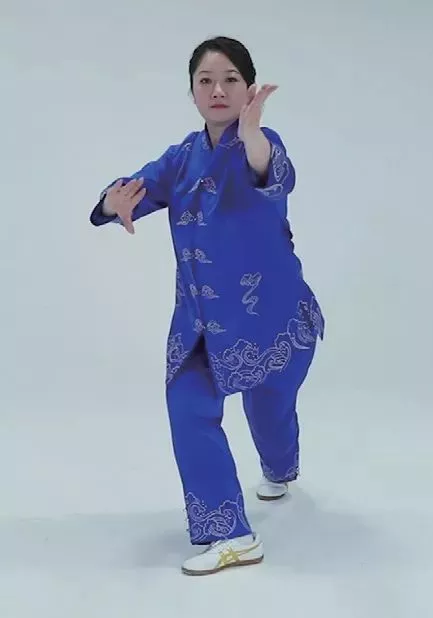 Step Right, Right Split: Step forward with the right foot and Split (Lie) right. (Shàng yòu jiǎo, shuāng shǒu yòu liè).
Senior Brother#48
May 11, 2026
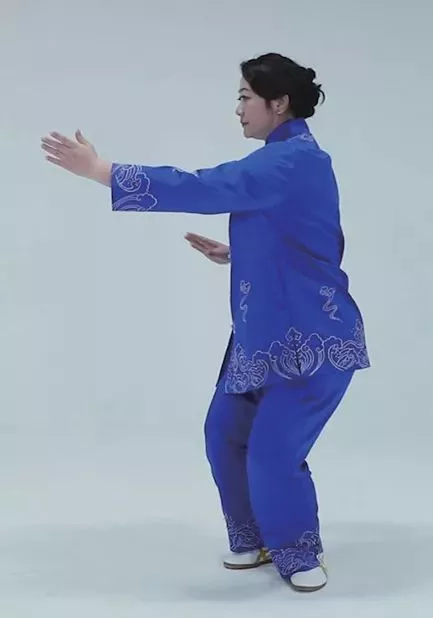 Follow Left, Left Block: Follow with the left foot and block with the left palm. (Gēn zuǒ jiǎo, zuǒ shǒu lán zhǎng).
Senior Brother#49
May 11, 2026
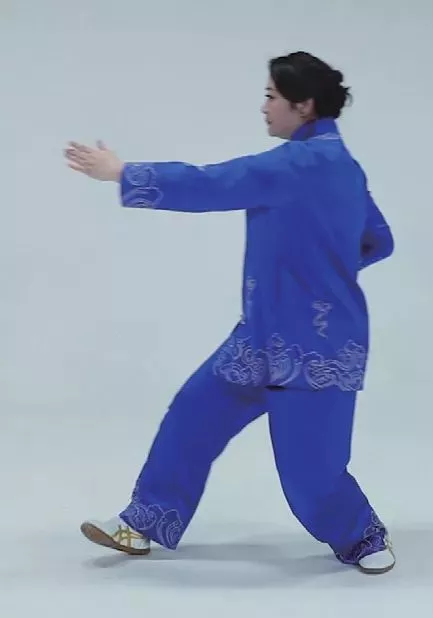 Step Right, Right Fist: Step forward with the right foot and make a fist with the right hand. (Shàng yòu bù, yòu shǒu wò quán).
Senior Brother#50
May 11, 2026
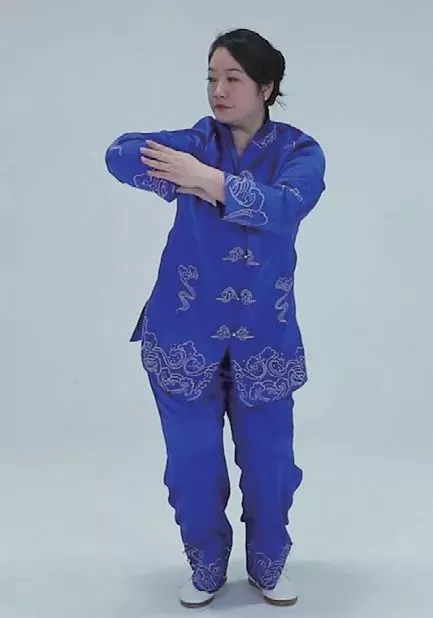 Hook Right Foot, Elbow Strike: Hook the right foot in, strike with the elbow, and stamp the feet together. (Kòu yòu jiǎo, jī zhǒu, bìng bù zhèn jiǎo).
📖 Deeper Understanding: The stomp and elbow strike demonstrate Fajin (releasing power). Explore the mechanics of explosive force in Master Tai Chi Fajin
Hook Right Foot, Elbow Strike: Hook the right foot in, strike with the elbow, and stamp the feet together. (Kòu yòu jiǎo, jī zhǒu, bìng bù zhèn jiǎo).
📖 Deeper Understanding: The stomp and elbow strike demonstrate Fajin (releasing power). Explore the mechanics of explosive force in Master Tai Chi FajinSenior Brother#51
May 11, 2026
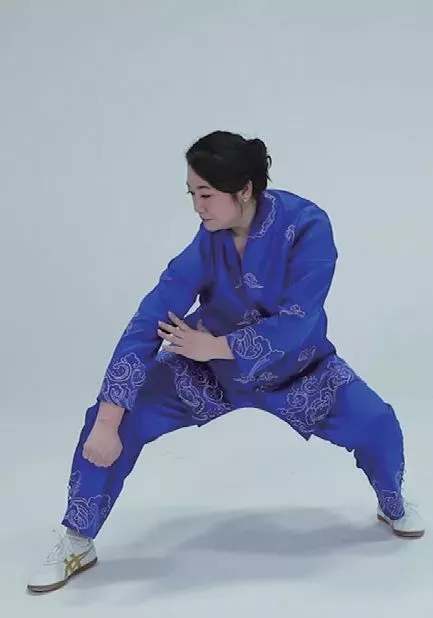 Step Right, Horse Stance Shoulder: Step right into a horse stance and perform Shoulder Strike (Kao). (Shàng yòu bù, mǎ bù kào).
📖 Deeper Understanding: Horse stance and shoulder strike vary between Chen and Yang styles. Compare the two major families in Chen vs Yang Tai Chi
Step Right, Horse Stance Shoulder: Step right into a horse stance and perform Shoulder Strike (Kao). (Shàng yòu bù, mǎ bù kào).
📖 Deeper Understanding: Horse stance and shoulder strike vary between Chen and Yang styles. Compare the two major families in Chen vs Yang Tai ChiSenior Brother#52
May 11, 2026
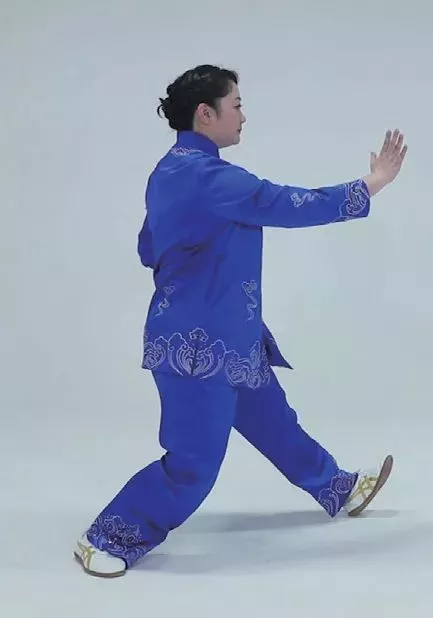 Hook Right, Left Fist, Right Block: Hook the right foot in, left hand makes a fist, right hand blocks. (Kòu yòu jiǎo, zuǒ shǒu wò quán, yòu shǒu lán zhǎng).
Senior Brother#53
May 11, 2026
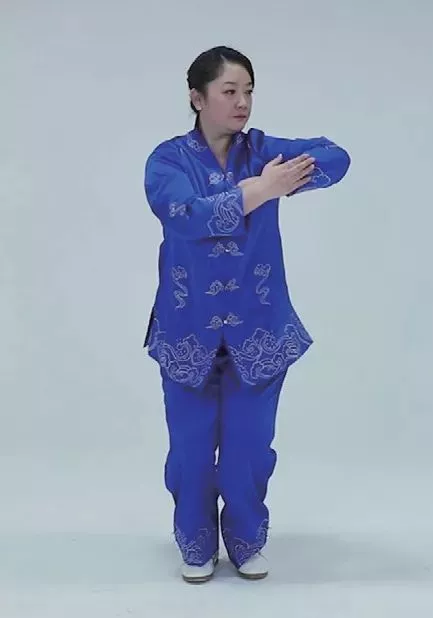 Hook Left, Elbow Strike: Hook the left foot in, strike with the elbow, and stamp the feet together. (Kòu zuǒ jiǎo, jī zhǒu, bìng bù zhèn jiǎo).
Senior Brother#54
May 11, 2026
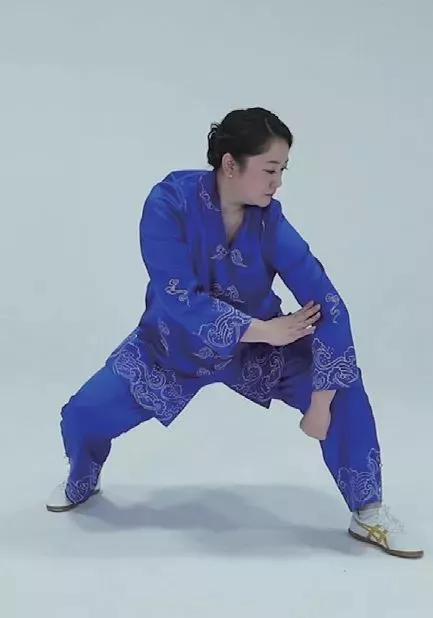 Step Left, Horse Stance Shoulder: Step left into a horse stance and perform Shoulder Strike (Kao). (Shàng zuǒ bù, mǎ bù kào).
Senior Brother#55
May 11, 2026
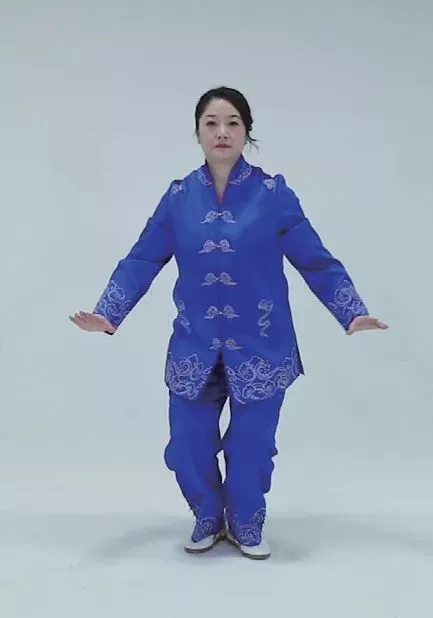 Hook Left, Right Foot In: Hook the left foot in, bring the right foot in, and place hands by hips. (Kòu zuǒ jiǎo, shōu yòu jiǎo, shuāng shǒu fàng yú kuà cè).
The "Press" (Ji) energy is often described as a focused, squeezing power. When you bring your feet together and execute Ji, do you feel a connection from your rear foot through your waist and into your palms? Does it feel different from the "Push" (An) energy we practice later—both expressions of internal power (Jin)?
Hook Left, Right Foot In: Hook the left foot in, bring the right foot in, and place hands by hips. (Kòu zuǒ jiǎo, shōu yòu jiǎo, shuāng shǒu fàng yú kuà cè).
The "Press" (Ji) energy is often described as a focused, squeezing power. When you bring your feet together and execute Ji, do you feel a connection from your rear foot through your waist and into your palms? Does it feel different from the "Push" (An) energy we practice later—both expressions of internal power (Jin)?Senior Brother#56
May 11, 2026
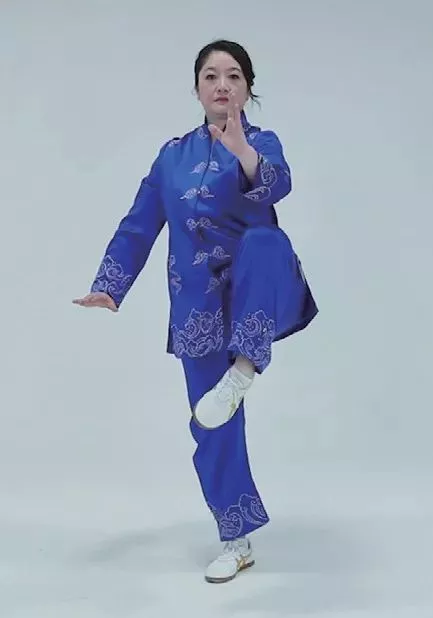 Raise Left Knee: Raise the left knee, then lower it. (Tí zuǒ xī, luò xià).
📖 Deeper Understanding: Single-leg standing is a powerful test of balance. Discover the top ten science-backed benefits of Tai Chi in 10 Proven Benefits of Tai Chi
Raise Left Knee: Raise the left knee, then lower it. (Tí zuǒ xī, luò xià).
📖 Deeper Understanding: Single-leg standing is a powerful test of balance. Discover the top ten science-backed benefits of Tai Chi in 10 Proven Benefits of Tai ChiSenior Brother#57
May 11, 2026
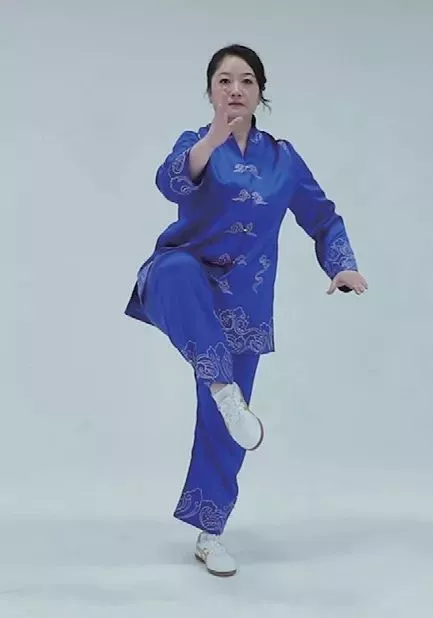 Raise Right Knee: Raise the right knee, then lower it. (Tí yòu xī, luò xià).
📖 Deeper Understanding: Balancing requires a calm mind. Learn how Tai Chi reduces stress and anxiety in Tai Chi for Stress and Anxiety
Raise Right Knee: Raise the right knee, then lower it. (Tí yòu xī, luò xià).
📖 Deeper Understanding: Balancing requires a calm mind. Learn how Tai Chi reduces stress and anxiety in Tai Chi for Stress and AnxietySenior Brother#58
May 11, 2026
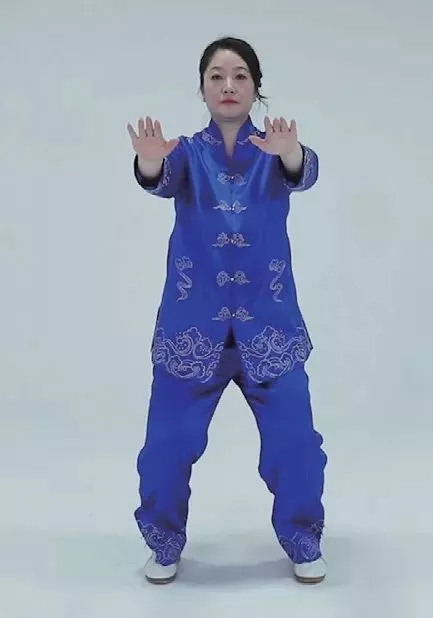 Separate Palms: Separate the palms. (Fēn zhǎng).
Senior Brother#59
May 11, 2026
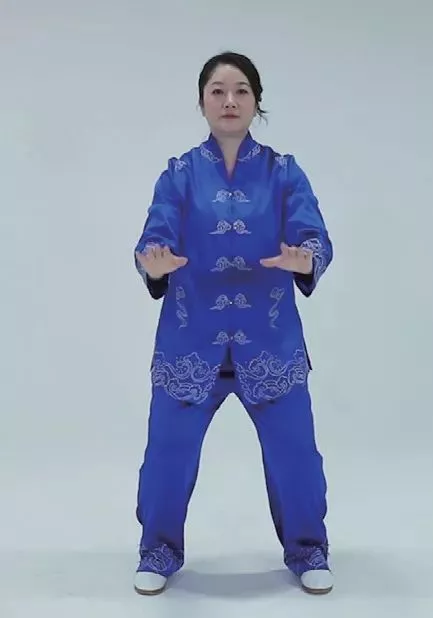 Press Down, Stand, Left Foot In: Press down with palms, stand upright, and bring the left foot in. (Shuāng shǒu àn zhǎng, zhí lì shōu zuǒ jiǎo).
📖 Deeper Understanding: The closing posture is the beginning of your internal transformation. Read inspiring stories of personal change through Tai Chi in Tai Chi Transformation.
Press Down, Stand, Left Foot In: Press down with palms, stand upright, and bring the left foot in. (Shuāng shǒu àn zhǎng, zhí lì shōu zuǒ jiǎo).
📖 Deeper Understanding: The closing posture is the beginning of your internal transformation. Read inspiring stories of personal change through Tai Chi in Tai Chi Transformation.Senior Brother#60
May 11, 2026
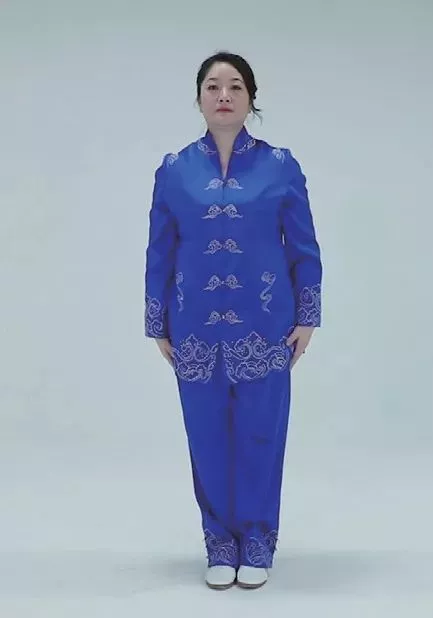 Closing: The routine is complete. Relax. (Shōu shì).
Congratulations on completing the entire 62-step guide! Want to see how it all fits together in one continuous flow? Head over to our Ba Fa dictionary page and watch the full-form video. It's the perfect way to review everything you've just learned.
Watch the Complete Ba Fa Wu Bu Form Link: https://www.taichiwuji.com/ba-fa
How do you feel after completing the entire 8 Methods & 5 Steps routine? Do you notice any warmth in your hands, a sense of calm, or increased energy? This is a great moment to reflect on the internal health benefits of your practice.
Closing: The routine is complete. Relax. (Shōu shì).
Congratulations on completing the entire 62-step guide! Want to see how it all fits together in one continuous flow? Head over to our Ba Fa dictionary page and watch the full-form video. It's the perfect way to review everything you've just learned.
Watch the Complete Ba Fa Wu Bu Form Link: https://www.taichiwuji.com/ba-fa
How do you feel after completing the entire 8 Methods & 5 Steps routine? Do you notice any warmth in your hands, a sense of calm, or increased energy? This is a great moment to reflect on the internal health benefits of your practice.Related Articles
The Five Pillars of Tai Chi Push Hands: Technique, Science & Mastery
Discover the five core methods of Tai Chi Push Hands—from listening sensitivity to free-form mastery—explained through biomechanics, neuroscience, and classical training logic.
Leading & Striking Hands in Tai Chi: Combat Theory Meets Biomechanics
Discover how leading and striking hands work in Tai Chi push hands. A master-and-scientist analysis combining classical combat theory with modern biomechanics.
Chen Style Tai Chi 56 Form: Complete Guide to Movements, History & Practice
The Chen Style 56 Form is the official competition standard — combining Old Frame and New Frame into 56 movements that showcase silk reeling, fa jin, and spiral power. Complete movement breakdown, history, and beginner progression from a 12th-generation Chen style inheritor.
Related Threads


Discussions are curated and edited for educational clarity. Contributors are individual practitioners sharing personal experience. Not medical advice.
← Back to all discussions